What are Commercial Roof Repair Maintenance Plans, and Why are They Indispensable?
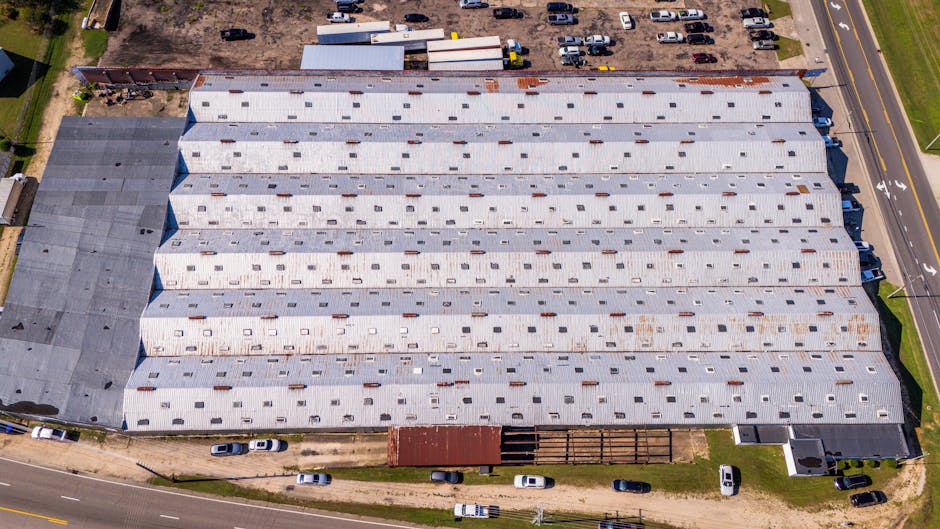
A commercial roof repair maintenance plan is a proactive, systematic approach to preserving the integrity and extending the lifespan of a commercial roofing system. It involves regular inspections, gutter cleaning, minor repairs, and detailed record-keeping. For building owners, it’s not just a convenience; it’s an essential strategy to protect their significant investment, ensure occupant safety, and maintain property value. Think of it as a wellness program for your building’s most important shield against the elements.
The Core Purpose of a Maintenance Plan
The core purpose of any commercial roof maintenance plan is preventative care. This means catching small issues, like a loose shingle or a clogged downspout, before they escalate into major problems. By regularly inspecting and maintaining your roof and gutters, we can identify potential issues early, preventing costly emergency leaks that can damage your building’s interior, equipment, and even its structural integrity. A well-executed plan significantly extends your roof’s lifespan, allowing you to get the most out of your initial investment.
Key Benefits of Proactive Commercial Roof Care
Investing in a proactive commercial roof care plan offers a multitude of benefits:
- Significant Cost Savings: Addressing minor issues is always less expensive than repairing extensive damage. Every dollar spent on preventive maintenance returns between $4 and $8 in avoided replacement costs over a 20-year lifecycle. Proactive maintenance costs approximately $0.14 per square foot per year, a fraction of the $5 to $16 per square foot for a full roof replacement.
- Manufacturer Warranty Protection: Many roofing material manufacturers require documented regular inspections and maintenance to keep your warranty valid. A maintenance plan ensures you meet these crucial terms.
- Extended System Lifespan: Consistent maintenance can extend a roof’s useful life by 25 to 50 percent, or even 30% or more. This means your roof could last years longer than anticipated.
- Improved Energy Efficiency: A well-maintained roof with proper ventilation and intact insulation prevents heat loss or gain, leading to lower energy bills. Water infiltration, often caused by neglected roofs, can damage insulation, reducing its thermal performance by up to 40%.
- Enhanced Curb Appeal: A clean, well-maintained roof and gutter system contributes significantly to your property’s aesthetic, boosting its curb appeal and overall value.
- Predictable Budgeting: Maintenance plans allow you to budget for routine care rather than facing unexpected, large repair bills.
- Reduced Risk of Foundation Damage: Properly functioning gutters and downspouts divert rainwater away from your building’s foundation, drastically reducing the risk of flooding and costly water damage.
How Preventive Maintenance Extends Roof Lifespan
Preventive maintenance is the secret to maximizing your roof’s longevity. By addressing minor damage, such as curling, cracking, or granule loss, before it escalates, we prevent small problems from becoming widespread failures. This proactive approach also prevents water infiltration, which can saturate insulation and lead to a host of problems, including mold growth and structural decay. Maintaining the integrity of your drainage system ensures water flows freely, preventing standing water and ice dams that accelerate roof deterioration. Our over 35 years of experience has consistently shown that consistent maintenance can extend a roof’s useful life by several years, making it a wise investment for any property owner in Massachusetts.
How Often Should Commercial Roofs and Gutters Be Inspected?
Industry experts universally agree on the importance of regular inspections. The National Roofing Contractors Association (NRCA) recommends that building owners inspect their roof systems at least twice per year, preferably in the spring and fall, plus after major weather events. These regular checks are crucial for the early detection of missing components, clogged downspouts, or any other issues that could compromise your building’s protection.
Recommended Inspection Frequency
For commercial properties in Massachusetts, we typically recommend the following inspection schedule:
- Bi-annual Inspections: Schedule these in the spring (after winter snow and ice) and fall (before winter weather sets in and after leaves have fallen). This allows us to assess any damage from extreme temperatures and prepare your roof for the upcoming season.
- Post-Major Weather Events: After any significant storm, heavy snowfall, strong winds, or hail, we advise a thorough inspection within 48 hours. Even if no visible damage is apparent from the ground, hidden issues can occur.
- After Any Chimney or Skylight Service Calls: Any work performed on or near your roof, such as chimney cleaning or skylight repairs, can inadvertently cause minor damage. A quick check afterward ensures everything remains intact.
- More Frequent for Buildings with Heavy Overhanging Tree Cover: If your building is surrounded by large trees, you may need more frequent gutter cleaning and roof debris removal, especially in the fall, to prevent accumulation that can trap moisture and cause damage.
Essential Elements of a Commercial Roof and Gutter Checklist
During a comprehensive commercial roof and gutter inspection, our team meticulously checks for a wide range of issues. Here’s what we look for:
- Surface Condition: Missing, cracked, curling, or blistering shingles or membranes. We also check for excessive granule loss, which can indicate an aging roof.
- Gutter Integrity: Loose granules accumulating in gutters (a sign of wear), debris accumulation, sagging sections, rust, leaks at seams, and proper attachment to the fascia.
- Drainage Systems: Clogged gutters and downspouts, ensuring water flows freely away from the foundation.
- Roof Surface: Moss or algae growth, which can trap moisture and degrade materials. Debris accumulation in valleys or around chimneys, which can impede water flow.
- Flashing and Sealants: Defective chimney flashing, vent pipe boots, and skylight perimeters. We check for cracks, gaps, or deterioration in sealants.
- Interior Signs: Staining on eaves, ceilings, or walls in the upper floors, which can indicate active leaks.
- Animal Interference: Nests or damage caused by squirrels, birds, or other critters that can compromise roof components or block vents.
- Skylight and Vent Pipes: Ensuring watertight seals around skylights and the condition of vent pipes and their rubber boots.
Post-Storm Inspections and Emergency Response
Massachusetts weather can be unpredictable, making post-storm inspections a critical component of any maintenance plan. An immediate inspection after severe weather allows us to assess any storm damage, such as wind-blown shingles, hail impact, or fallen branches. A comprehensive maintenance plan facilitates priority scheduling with local roofing experts, ensuring rapid response for critical repairs. This quick action minimizes secondary damage and helps preserve your building’s structural integrity and interior.
What Tools and Techniques Enhance Commercial Roof Maintenance?
Beyond visual checks, modern commercial roof maintenance leverages specialized tools and drainage considerations to ensure comprehensive care, giving building owners peace of mind.
Diagnostic Tools for Commercial Roof Assessment
At our company, we combine traditional expertise with advanced techniques to provide thorough assessments:
- Drone Inspections: For steep or hard-to-access roofs, drones offer a safe and efficient way to capture high-resolution imagery, allowing us to spot subtle damage that might be missed from the ground.
- Moisture Meters: These tools are invaluable for detecting hidden leaks or moisture saturation within the roof decking before they become visible ceiling stains.
- Photographic Reports: We provide detailed photographic reports of our findings, which are excellent for building owners’ records, insurance documentation, and tracking the roof’s condition over time.
- Gutter Cameras: For hard-to-reach or complex gutter systems, small cameras can be used to ensure downspouts are clear and free of blockages.
Special Considerations for Commercial Systems
Every building is unique, and our maintenance plans reflect that:
- Buildings with Skylights: Skylights are common points of vulnerability. We pay close attention to ensuring watertight seals and clear drainage perimeters around them to prevent leaks.
- Buildings with Heavy Tree Cover: Leaves, twigs, and other debris from overhanging trees can quickly clog gutters and accumulate on the roof surface. This requires more frequent cleaning to prevent water damming and potential ice dams during winter.
- Ensuring Safe Access and Walk Pads: For any maintenance work, ensuring safe ladder access and utilizing walk pads in high-traffic areas on the roof minimizes wear and tear on the materials and protects our team.
Common Maintenance Issues for Different Commercial Roof Types
Different roofing materials have unique characteristics and common maintenance needs:
- Asphalt Shingles: These are popular in Massachusetts but are susceptible to granule loss (especially in older roofs), curling, and wind damage. Regular inspections help us spot and address these issues early.
- Wood Shakes: Wood roofs require specific care to prevent rot, splitting, and insect damage. Proper ventilation and treatment are key.
- Slate: Known for its longevity, slate roofs can still suffer from cracked or slipped tiles. Their heavy weight also requires specific handling during maintenance.
- Clay Tile: Clay tiles are durable but can break if walked on improperly. Debris can also build up in their channels, impeding water flow.
- Gutter Systems: Regardless of roof type, gutters are prone to sagging, rust, leaks at seams, and clogs from leaves and other debris. Regular cleaning and re-securing are essential.
How Can Business Owners Budget for Roof Maintenance and Choose the Right Plan?
Understanding the financial aspects and selecting the appropriate service level are key to a sustainable property maintenance strategy. Proactive care is consistently the most cost-effective approach, saving business owners significant money over the long term.
Typical Costs of Commercial Maintenance Programs
Proactive maintenance and gutter cleaning are significantly more affordable than reactive structural repairs. While specific costs for our services will vary based on your building’s unique needs, we can share average costs based on industry data to help you budget:
- Basic Inspection and Cleaning Programs: These typically cost between $0.03 and $0.04 per square foot per year, plus a small fuel charge. This provides a high return on investment by preventing interior water damage.
- Inspection-Only Contracts: For building owners who prefer to handle minor repairs themselves, these contracts average $0.05 to $0.10 per square foot annually.
- Full-Service Maintenance Contracts: These comprehensive plans, which include regular inspections, gutter cleaning, and minor repairs, typically range from $0.15 to $0.25 per square foot per year.
These are average costs and actual pricing can vary widely depending on the complexity of your roof and the specific services included.
Factors Affecting Maintenance Pricing
Several factors influence the cost of a commercial roof maintenance plan:
- Roof Square Footage: Larger roofs naturally require more time and resources.
- Roof Steepness (Pitch): Steeper roofs are more challenging and require specialized safety equipment, increasing labor costs.
- Number of Stories: Multi-story buildings require more complex access.
- Total Linear Feet of Gutters: Extensive gutter systems mean more cleaning and inspection time.
- Presence of Gutter Guards: While gutter guards can reduce cleaning frequency, their presence can sometimes make thorough cleaning more intricate.
- Frequency of Visits: Annual, bi-annual, or quarterly visits will impact the overall cost.
- Scope of Services Included: Whether the plan includes just inspections, or also cleaning, minor repairs, debris removal, and sealant touch-ups.
Budgeting for Future Roof Replacement
Even with diligent maintenance, every roof eventually needs replacement. It’s wise to budget for this future expense:
- Setting Aside Annual Reserves: Based on roof age, a good rule of thumb is to set aside:
- $0.10-$0.12 per square foot annually for new commercial roofs (0-5 years old).
- $0.14-$0.18 per square foot annually for mid-life systems (6-15 years old).
- $0.20-$0.25 per square foot annually for aging roofs (16+ years old) nearing the end of their cycle.
- Integrating Roof Care into Long-Term Property Planning: By factoring in these reserves, you can avoid a sudden, large expense and ensure your building remains well-protected without financial strain.
Choosing the Right Type of Service Agreement
We offer various types of maintenance agreements, and we can help you determine the best fit for your property in Massachusetts:
- Full-Service: This comprehensive option includes regular inspections, gutter cleaning, and minor repairs. It’s ideal for building owners who want complete peace of mind.
- Inspection-Only: For those who prefer to do minor repairs themselves, this plan provides regular assessments with detailed reports, highlighting any issues that need attention.
- Seasonal Gutter Cleaning: Focused specifically on ensuring your drainage system is clear, this plan is perfect for buildings with heavy tree cover, typically involving spring and fall debris removal.
- Customized Plans: We can tailor a plan to your specific building needs, roof type, and budget, ensuring you get precisely the care your roof requires.
When Should You Consider Roof Replacement Over Continued Maintenance?
Making the decision between continued repairs and a full roof replacement is a critical financial choice for business owners. While we strive to extend your roof’s life as much as possible, there comes a point when replacement becomes the more economical and practical option.
Key Indicators for Commercial Roof Replacement
Several signs indicate that your roof may be nearing the end of its useful life and that replacement is a more sensible investment than ongoing repairs:
- Frequent and Costly Leaks: If you find yourself constantly repairing leaks, especially in different areas of the roof, the underlying system is likely failing.
- Extensive Material Deterioration: When more than 25% of your roofing surface shows significant granule loss, curling, or membrane failure, it indicates widespread deterioration and reduced protection.
- Exceeded Expected Service Life: Most commercial roofs have a specific design life. If your roof is past this age, even if it looks okay, its protective capabilities are likely compromised.
- Widespread Storm Damage: Severe damage from a major storm, such as extensive missing sections, large punctures, or structural compromise, may necessitate a full replacement rather than patching.
- Unresolvable Leaks: Persistent leaks around chimneys, valleys, or skylights that cannot be effectively resolved with repairs often point to systemic issues.
- Inability to Maintain Insurance Coverage: Some insurance providers may decline coverage or increase premiums significantly for roofs deemed too old or in poor condition, making replacement a necessity.
The Cost-Benefit Analysis of Maintenance vs. Replacement
At our company, we believe in transparent and data-driven decisions. While every dollar spent on preventive maintenance returns significant value in avoided structural repairs (up to $4-$8 for every $1 invested), there’s a tipping point. We help you compare projected maintenance costs over the next few years versus the capital outlay of a full replacement. Factors like the impact on your property’s resale value, improved energy efficiency with a new roof, and enhanced comfort are all part of this analysis. Often, a new roof can significantly boost your property’s value and appeal to potential buyers.
Our Approach to Longevity
We understand the importance of maximizing your building’s lifespan. With over 35 years of experience serving Massachusetts, our team provides expert assessments to help you make informed decisions about whether continued maintenance or a strategic replacement is the best path forward for your property. We offer comprehensive Roofing Services designed to protect your building and your business. We serve communities across Massachusetts, including Burlington, Lynnfield, North Reading, Reading, Stoneham, Wakefield, Wilmington, and Woburn, bringing our meticulous craftsmanship to every project.
What Steps Are Essential for Implementing an Effective Maintenance Program?
A successful commercial roof repair maintenance plan requires consistency, thorough documentation, and a professional partnership to ensure long-term health and warranty compliance. It’s about being proactive and organized.
Establishing a Robust Building Maintenance Routine
Implementing an effective routine starts with understanding your building’s specific needs:
- Start with a Professional Roof and Gutter Assessment: Before embarking on any plan, have a professional roofing contractor conduct an initial assessment. This provides a baseline understanding of your roof’s current condition.
- Develop a Customized Checklist: Based on your roof’s material, age, and environmental factors (e.g., proximity to trees), create a tailored checklist for inspections.
- Schedule Cleanings Around Local Foliage Patterns: In Massachusetts, this often means scheduling gutter cleanings after the last leaves fall in autumn and again in late spring to clear pollen and early debris.
Documentation for Warranty and Insurance Claims
Meticulous record-keeping is not just good practice; it’s essential for protecting your investment:
- Maintain a Dedicated Building File: Keep all roof-related documents in one place. This includes the original installation records, warranties, inspection reports, and repair receipts.
- Log All Maintenance Activities Chronologically: Note dates, services performed (e.g., gutter cleaning, repairs), and any observations.
- Use Digital Photos: Take and store photos of any issues found, repairs made, and the overall condition of your roof over time. This visual evidence is crucial for supporting insurance claims after storm events or for warranty disputes.
- Store Records Securely: Keep both physical and digital (cloud backup) copies of all documentation.
Partnering with the Right Professionals
Choosing the right roofing contractor is paramount to the success of your maintenance program:
- Vetting Local Experts Thoroughly: Look for companies with extensive experience, strong local references, clear safety protocols, and comprehensive insurance. In Massachusetts, our team has over 35 years of experience, a testament to our reliability and quality.
- Choosing a Reputable Company: Select a contractor known for quality and reliability in your area. Our commitment to exceptional craftsmanship and customer satisfaction in communities like Wakefield, Reading, and North Reading sets us apart.
- Ensuring Experienced Technicians: Verify that the technicians are experienced in safe commercial access and trained in the specific maintenance needs of your roof type.
Actionable Steps for Building Owners
While professional help is invaluable, there are several simple steps building owners can take to support their maintenance program:
- Implement Twice-Yearly Gutter Cleanings: This is one of the most impactful actions you can take to prevent water damage.
- Conduct Post-Storm Visual Checks from the Ground: After any significant weather event, walk around your building and visually inspect your roof for obvious damage like missing components or debris.
- Keep Trees Pruned Away from the Roofline: Overhanging branches can drop debris, scratch surfaces, and provide access for pests.
- Remove Snow Buildup to Prevent Ice Dams: Especially in areas prone to heavy snowfall, carefully removing snow from lower roof edges can prevent ice dams that cause water to back up under the roofing material.
- Address Minor Issues Promptly: Don’t delay small repairs; they can quickly become major problems.
- Consider a Professional Maintenance Contract: For ultimate peace of mind, a contract with a trusted roofing professional ensures consistent, expert care.
Frequently Asked Questions about Commercial Roof Maintenance Plans
What is the primary goal of a commercial roof maintenance plan?
The primary goal is to extend the life of your roofing system, prevent costly interior water damage, maintain your property’s value, and ensure your drainage system functions perfectly year-round. It’s about proactive protection against the elements.
How do maintenance plans impact material warranties?
Many manufacturers require proof of regular maintenance to honor warranty claims. A documented maintenance plan ensures you meet these requirements, protecting your investment and ensuring you have recourse if a manufacturing defect arises.
Can a maintenance plan save me money in the long run?
Absolutely. Small, regular investments in gutter cleaning, minor repairs, and inspections prevent massive expenses related to rotted decking, mold remediation, structural damage, and premature roof failure. Industry statistics show that for every dollar spent on preventive maintenance, you can save $4 to $8 in avoided replacement costs.
Conclusion
Investing in a comprehensive commercial roof repair maintenance plan is a strategic property protection strategy that yields substantial long-term benefits. By understanding the importance of regular inspections, budgeting wisely, and partnering with experienced professionals, building owners can ensure their roofs remain durable, efficient, and leak-free for decades. Don’t wait for a ceiling stain to become a crisis—proactive care is the key to safeguarding your building in April 2026 and beyond.