
Commercial Roofing Repair: Top 5 Perfect Solutions 2024
Commercial roofing repair is crucial for maintaining the integrity and longevity of your business premises. Without proper care, a commercial roof can quickly deteriorate, leading to expensive damage to property and disruptions to business operations.
Here’s what you need to know about commercial roofing repair:
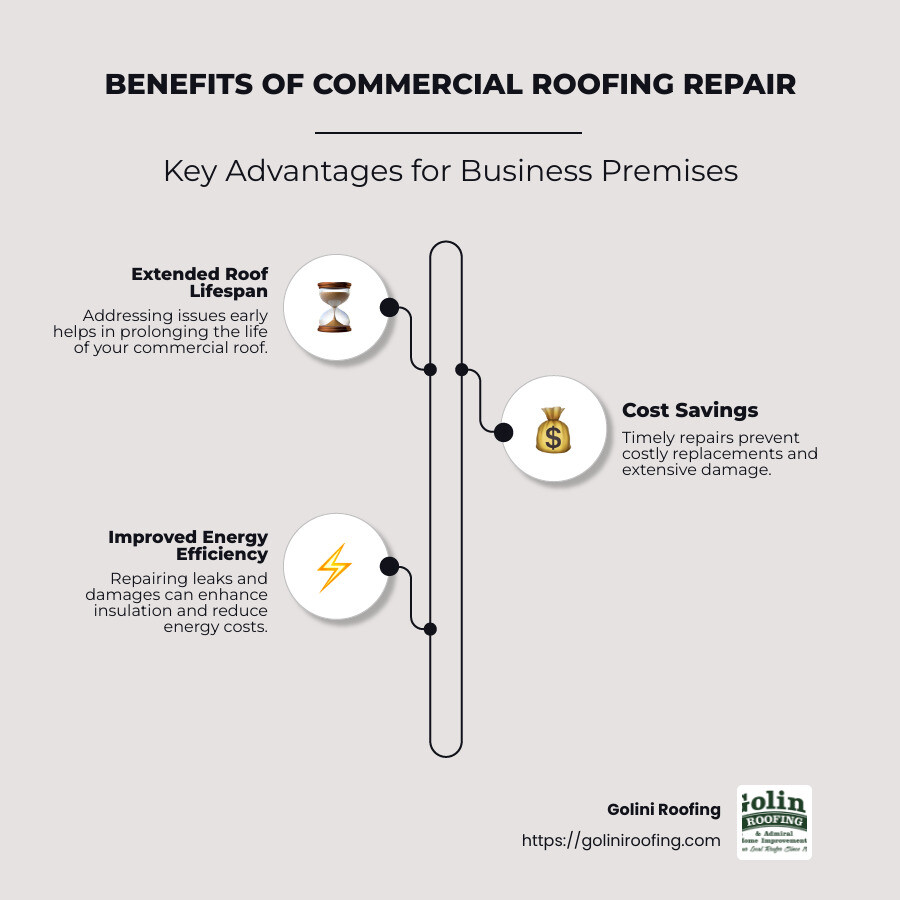
- It can extend the lifespan of your roof by addressing issues before they escalate.
- A professional assessment will give you an accurate repair estimate custom to your roof’s specific needs.
- Due to their size and unique materials, commercial roofs are complex systems that require specialized skills for effective repair and maintenance.
Repairing a commercial roof requires expertise to ensure the job is done right. This process involves understanding the structure and materials involved, which can vary greatly from residential roofing. The good news is that regular maintenance and timely repairs can help avoid more costly replacements down the road.
I’m Jack Golini, with over 35 years of experience in the roofing industry, specializing in commercial roofing repair. My team and I are dedicated to delivering top-notch craftsmanship and ensuring minimal disruption to your daily operations.
Similar topics to commercial roofing repair:
– commercial metal roofing services
– commercial roof companies
– commercial roof contractors
Understanding Commercial Roof Repairs
Roof leaks are one of the most common issues in commercial buildings. They can start small but lead to significant problems if not addressed promptly. A single leak can disrupt business operations, damage equipment, and even pose safety risks to employees. It’s crucial to act quickly to prevent these issues from escalating.
Regular roof maintenance is essential to keep your commercial roof in top condition. This involves routine inspections, cleaning, and minor repairs to catch potential problems early. Regular maintenance can extend the roof’s lifespan by up to 50%, saving you money in the long run. It also helps improve energy efficiency by ensuring proper insulation and ventilation.
A thorough roof evaluation is the first step in any repair process. This involves a detailed inspection of the roof’s condition to identify issues like leaks, cracks, or wear and tear. An evaluation helps determine the most effective repair strategy custom to your specific needs. It also ensures that any potential problems are addressed before they become major concerns.
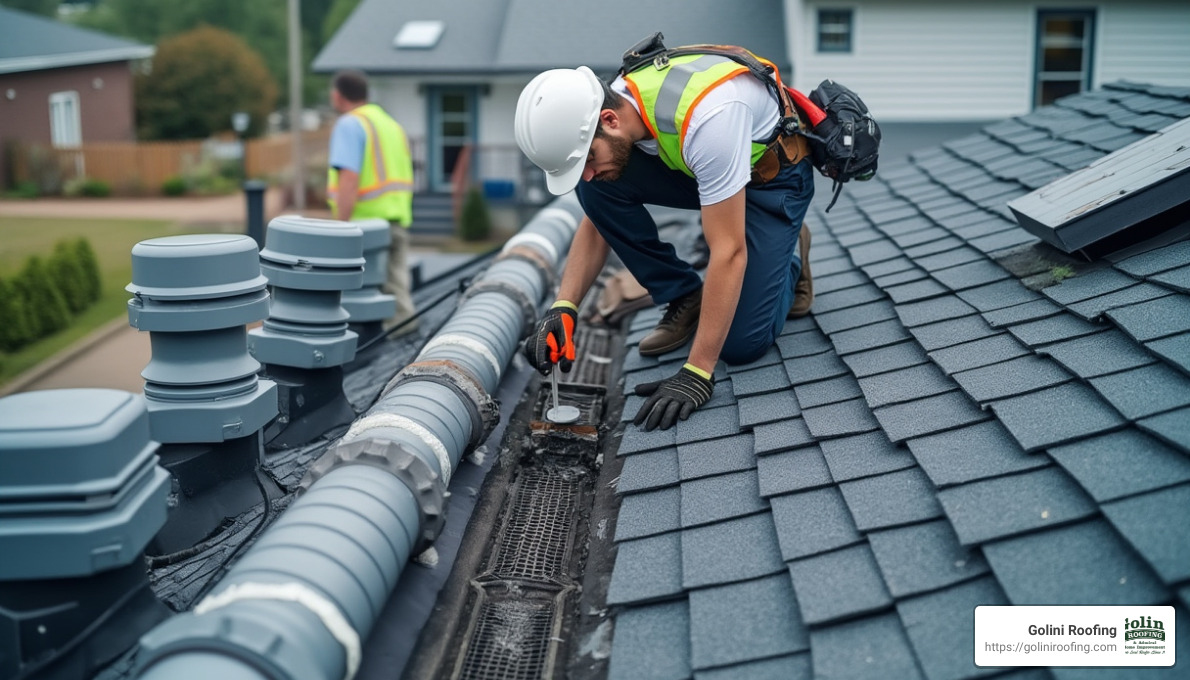
By understanding these key aspects of commercial roof repairs, you can ensure your building remains protected and functional. Regular maintenance and timely repairs are not just cost-effective; they’re vital for the longevity and performance of your commercial roof.
Let’s explore the common causes of roof damage and how they impact your building.
Common Causes of Roof Damage
When it comes to commercial roofing repair, understanding the common causes of roof damage is crucial for preventing costly repairs and ensuring the longevity of your roof. Let’s explore the primary factors: weather impact, aging, and localized damage.
Weather Impact
Weather is one of the most significant factors affecting roof health. In areas with diverse climates, heavy rain, wind, and snow can wreak havoc on commercial roofs. New England’s unpredictable weather is notorious for causing water penetration issues, which can lead to leaks and structural damage.
Wind can lift or remove roofing materials, leaving the underlying structure exposed. Snow and ice can create ice dams, leading to water pooling and eventual leaks. Regular inspections after severe weather can help identify and mitigate these issues before they escalate.
Aging
Even the best-maintained roofs will eventually show signs of aging. Over time, roofing materials become less effective at protecting against the elements. Aging can lead to cracks, blistering, and sagging, all of which compromise the roof’s integrity.
Older roofs are more susceptible to leaks, as the materials may have deteriorated or become brittle. Regular maintenance and timely replacement of aging components can extend the roof’s lifespan and prevent more extensive damage.
Localized Damage
Localized damage refers to issues that affect specific areas of the roof rather than the entire structure. This can be caused by a variety of factors, including wildlife activity, fallen branches, or foot traffic during maintenance work.
Small issues, like missing shingles or damaged flashing, can lead to more significant problems if not addressed promptly. Localized repairs are often more cost-effective than full roof replacements, making it essential to address these minor issues as soon as they are identified.
Understanding these common causes of roof damage is the first step in maintaining a healthy commercial roof. By addressing weather-related issues, managing the effects of aging, and promptly repairing localized damage, you can ensure your roof remains in excellent condition for years to come.
Next, we’ll explore different techniques used in commercial roofing repair to tackle these challenges effectively.
Commercial Roofing Repair Techniques
When it comes to commercial roofing repair, there are several techniques available that can address a variety of issues. Whether you’re dealing with leaks, aging materials, or localized damage, knowing the right repair method is key to maintaining a durable roof.
Single-Ply Roofing
Single-ply roofing systems, such as TPO, PVC, and EPDM, are popular choices for commercial buildings. These materials are known for their flexibility, durability, and ease of installation. They typically consist of one layer of membrane, making them a lightweight option.
Benefits of Single-Ply Roofing:
- Flexibility: Can accommodate building movement and thermal expansion.
- Durability: Resistant to UV rays and chemical exposure.
- Installation: Quick and relatively easy, reducing labor costs.
Single-ply systems are ideal for flat roofs and can be installed over existing roofing materials, which can save time and money on tear-offs.
LeakSeal System
The LeakSeal System is a approach to commercial roofing repair. Developed with fiberglass and emulsion technology, it creates a seamless, waterproof membrane that is also vapor permeable. This means it allows trapped moisture to escape while preventing water from entering.
Advantages of the LeakSeal System:
- Cost-Effective: Saves 40-50% compared to full roof replacements.
- Long-Lasting: Extends the serviceable life of the roof.
- Versatile: Suitable for various roof types and conditions.
This system is particularly beneficial for flat roofs and has been successfully used in numerous large facilities along the west coast.
Fiberglass and Emulsion
Fiberglass and emulsion technology is at the heart of the LeakSeal System. This combination offers exceptional versatility and durability, making it a preferred choice for many commercial roofing repairs.
Key Features:
- Seamless Application: Creates a continuous membrane that eliminates seams, reducing leak potential.
- Waterproof and Breathable: Keeps water out while allowing trapped moisture to escape.
- Adaptability: Can be applied to a wide range of roofing surfaces.
Fiberglass and emulsion repairs are ideal for extending the life of aging roofs and addressing localized damage without the need for a complete roof overhaul.
By utilizing these techniques, businesses can effectively manage their roofing repairs and ensure their commercial properties remain protected from the elements. Next, we’ll dig into the cost considerations associated with these repair methods.
Cost Considerations for Roof Repairs
When planning for commercial roofing repair, understanding the costs involved is crucial. Let’s break it down into three main components: material costs, labor costs, and overhead & profit margin.
Material Costs
The type of material you choose plays a significant role in the overall cost of your roof repair. Here’s a quick look at some common materials:
- Single-Ply Membranes (TPO, PVC, EPDM): These materials are popular for their durability and flexibility. They tend to have moderate costs compared to other materials.
- Metal Roofing: While metal is one of the more expensive options upfront, its longevity and low maintenance can make it cost-effective over time.
- Fiberglass and Emulsion Systems: These are often used for repairs and offer a cost-effective solution compared to full replacements, saving up to 50% in some cases.
Choosing the right material depends on factors like your building’s needs and budget. It’s essential to consider not just the initial cost but the long-term benefits and maintenance requirements.
Labor Costs
Labor costs can vary widely based on the complexity of the repair and local market rates. Here are some factors that influence labor costs:
- Complexity of the Repair: More complicated repairs, such as those on high-pitched or multi-layered roofs, require more expertise and time, increasing labor costs.
- Seasonal Demand: During peak seasons or harsh weather conditions, labor costs might rise due to increased demand or challenging working conditions.
Efficient techniques, like single-ply roofing systems, can reduce labor time, potentially lowering costs.
Overhead & Profit Margin
Every roofing company needs to cover its overhead costs and make a profit to stay in business. These costs include:
- Office Expenses: Rent, utilities, and administrative costs.
- Insurance and Licensing: Essential for protecting both the company and the client.
- Equipment and Maintenance: Costs for tools and machinery used in repairs.
The profit margin varies by company but typically ranges from 10% to 20%. It’s important to choose a reputable company that balances competitive pricing with quality service.
Understanding these cost components can help you budget effectively and make informed decisions about your commercial roof repair. Next, we’ll address some frequently asked questions about commercial roofing repair to further guide you through the process.
Frequently Asked Questions about Commercial Roofing Repair
What is the life expectancy of a commercial roof?
The lifespan of a commercial roof depends largely on the materials used and the quality of installation. Single-ply roofing systems, like TPO, PVC, and EPDM, are popular choices for commercial buildings due to their durability and can last anywhere from 20 to 30 years with proper maintenance. Metal roofs are known for their longevity, often lasting up to 70 years, making them a great long-term investment. However, factors like weather conditions, maintenance habits, and installation quality also play a crucial role in determining how long a roof will last.
How do I estimate a roof repair?
Estimating a roof repair involves considering several cost factors. First, assess the extent of the damage and the materials required for the repair. For example, small repairs using fiberglass and emulsion systems can be more cost-effective and extend the roof’s life without a full replacement. Labor costs will depend on the complexity of the repair and the time required. Additionally, consider overhead costs such as insurance and equipment.
A professional roof evaluation can provide a more accurate estimate by identifying all issues and recommending the best solutions. Catching issues early can save money in the long run by avoiding more extensive repairs.
Can you repair just a section of a roof?
Yes, localized damage can often be addressed with partial repairs, which can be more economical than a full roof replacement. Techniques like the LeakSeal System are ideal for repairing specific sections of flat roofs. This system creates a seamless, waterproof membrane that allows water to escape but prevents it from entering, making it suitable for repairing leaks and extending the roof’s life.
It’s essential to consult with a roofing expert to determine whether a partial repair is feasible for your specific situation. They can assess the damage and recommend the best course of action to ensure the roof remains watertight and functional.
By understanding these key aspects of commercial roofing repair, you can make informed decisions that protect your investment and ensure the longevity of your roof system.
Conclusion
At Golini Roofing, we take pride in our commitment to exceptional craftsmanship and customer satisfaction. With over 35 years of experience, we’ve built a reputation for delivering high-quality commercial roofing solutions custom to meet the unique needs of our clients.
Our dedication to meticulous hand-nailing of each shingle sets us apart, ensuring durable and resilient roofs that stand the test of time. This attention to detail is not just about the materials we use but also about the care we put into every project. We serve a wide range of areas in Massachusetts, including Burlington, Lynnfield, North Reading, and more, bringing our expertise and passion for roofing to each community.
Customer satisfaction is at the heart of everything we do. We understand that a roof is a significant investment, and we strive to provide transparent, honest service that leaves our customers confident in their choice. From the initial consultation to the final inspection, we work closely with our clients to ensure their needs are met and expectations exceeded.
Whether it’s addressing commercial roofing repair needs or planning a new installation, our team is here to guide you through every step of the process. We invite you to experience the Golini Roofing difference and see why we are a trusted name in commercial roofing.
Ready to start your next roofing project? Contact Golini Roofing today and let us help you achieve the perfect roofing solution for your business.
