
Exterior roof repair: Top 3 Simple Fixes
Why Exterior Roof Repair Matters for Every Homeowner
Exterior roof repair is essential to protect your home from water damage, maintain its structural integrity, and preserve your property’s value. Addressing roof damage quickly—whether it’s a few curled shingles or a ceiling stain—prevents small problems from becoming expensive disasters.
Quick Answer: Key Steps for Exterior Roof Repair
- Inspect safely – Check from the ground or attic first
- Document damage – Take photos for insurance claims
- Assess severity – Minor issues vs. widespread damage
- Decide DIY vs. Pro – Know when to call an expert
- Act fast – Use temporary tarps to prevent water intrusion
- Get professional help – For structural issues or complex repairs
Industry research shows that 70% of homeowners face roof leaks, and 80% of those leaks occur at flashings and vents. The good news is that regular maintenance and prompt repairs can extend your roof’s life by 20-30%.
Your roof is your home’s first defense against New England’s harsh weather. A small crack or missing shingle can quickly lead to a leak that rots sheathing, damages insulation, and compromises your home’s structural framing. While some simple fixes are straightforward weekend projects, widespread storm damage or complex flashing repairs require professional expertise and proper safety equipment.
I’m Jack Golini. With over 35 years of hands-on experience in exterior roof repair on the North Shore, we’ve seen every type of roof damage and know how to fix it right the first time.
Identifying and Assessing Roof Damage After a Storm
After a storm, your safety comes first. Never climb onto a wet or damaged roof. Wait until the storm has completely passed and the surface is dry before you begin your inspection.
Start your assessment from solid ground. Walk around your home and use binoculars to look for missing shingles, debris, or other obvious issues. You can spot a surprising amount of damage without leaving your yard.
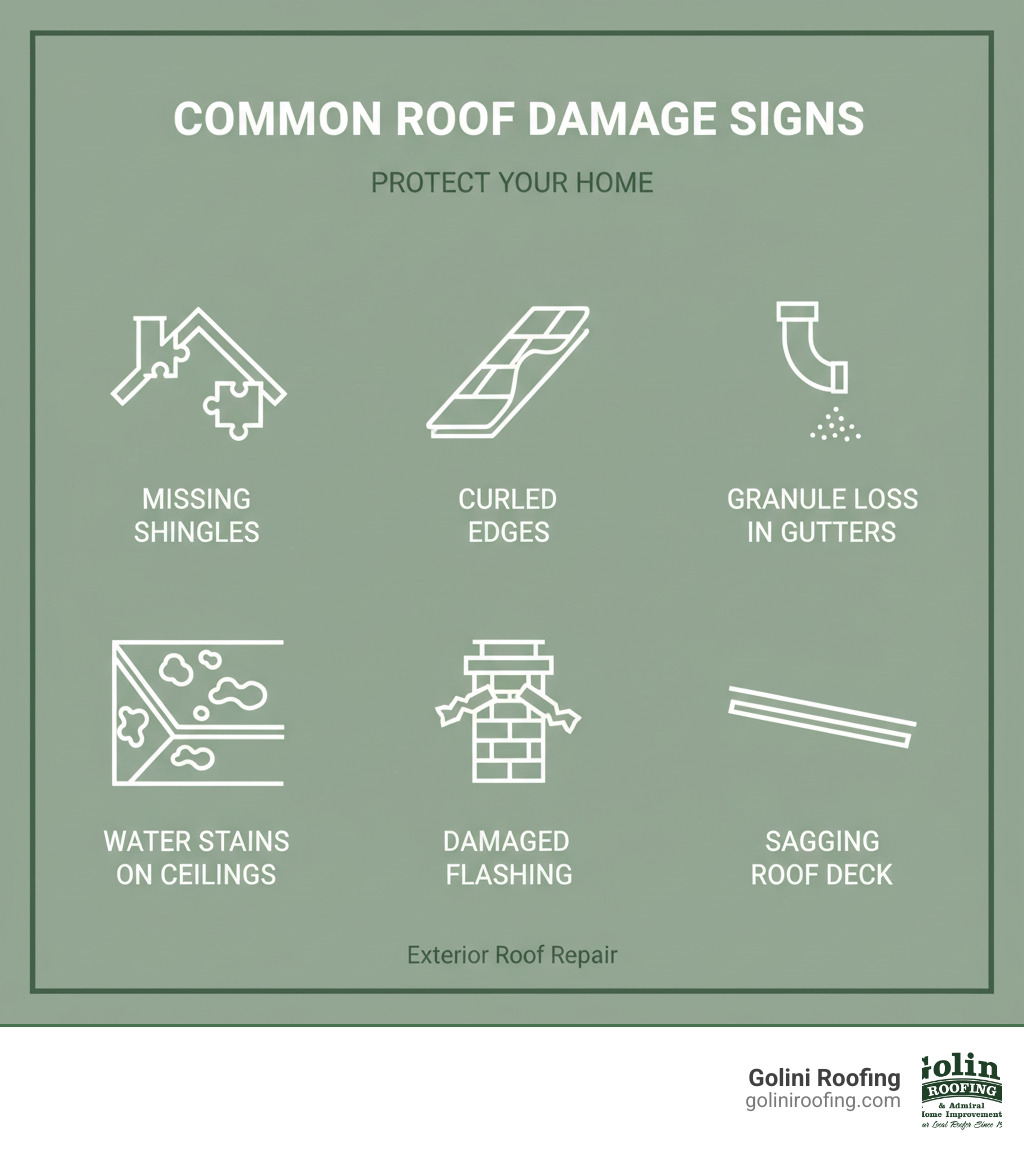
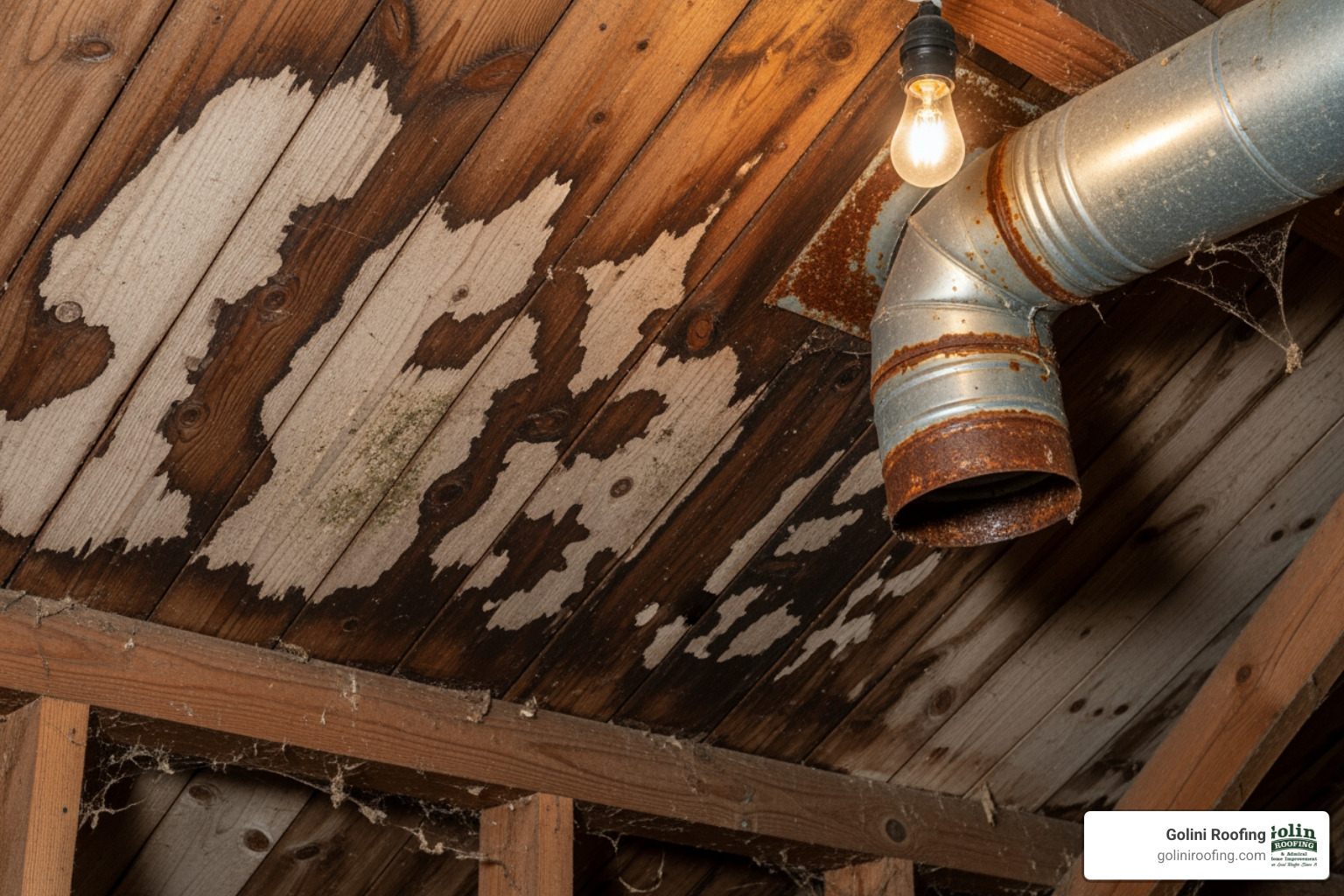
Next, head to your attic, where hidden damage often reveals itself. Look carefully for water stains on the ceiling or walls. You might also notice mold or mildew growth or a distinctive musty smell. In serious cases, you could see a sagging roof deck, a red flag that needs immediate professional attention.
Common Signs of Damage on Shingle Roofs
New England weather is tough on roofs. Here are the common exterior roof repair needs we find after a storm:
- Missing shingles: Wind can tear shingles off, exposing the underlayment and leaving your home vulnerable. You may find them in your yard.
- Curled or cracked shingles: High winds can lift shingles and break their seal, allowing water to get underneath.
- Granule loss in gutters: Check your gutters for asphalt granules that look like coarse sand. This indicates your shingles’ protective layer is wearing away.
- Dented shingles from hail: Hail leaves dents that weaken shingles over time, eventually leading to cracks and leaks.
- Damaged flashing: Storms can bend or dislodge the metal flashing around chimneys and vents, creating a direct path for water.
- Lifted shingles: Even if they haven’t blown off, shingles with a broken seal are vulnerable to leaks and future storms.
Immediate Steps to Take
If you find storm damage, taking these steps can prevent the situation from getting worse and simplify the insurance process.
First, document everything with photos. This is crucial for your insurance claim. Take clear photos of all visible damage from multiple angles.
If you see obvious holes, cover them with a tarp temporarily. A heavy-duty tarp can be a lifesaver while you wait for repairs. Secure it properly so water sheds down and over the damaged area.
Contact your insurance agent as soon as possible to start the claims process. The sooner you notify them, the sooner you can get repairs underway.
Finally, avoid walking on a damaged or wet roof. Damaged shingles are slippery, and the structure underneath could be compromised. Leave the roof walking to professionals with the proper safety equipment.
For help with storm damage or any exterior roof repair needs, visit our roof repair services page to learn how we can help.
A Homeowner’s Guide to Exterior Roof Repair
When you spot roof damage, the big question is whether to fix it yourself or call a professional. DIY repairs can save on labor costs, but they come with serious safety risks, the potential to cause more damage, and no warranty. Hiring a professional costs more upfront but provides expertise, safety, quality workmanship, and warranties that protect your investment.
Roofing is dangerous work. Falls from height are a primary cause of construction-related fatalities, and statistics show that 42% of DIY roof repairs lead to more extensive damage, turning a simple fix into a major headache.
| Feature | DIY Repair | Professional Repair |
|---|---|---|
| Pros | Cost savings on labor, immediate gratification | Expertise, safety, quality, warranty, insurance |
| Cons | Safety risks, potential for further damage, no warranty, time-consuming, specialized tools needed | Higher upfront cost, scheduling |
| Safety Risks | High (falls, improper ladder use, electrocution, injury from tools) | Low (professionals are trained and equipped) |
| Quality of Repair | Varies greatly based on skill/experience | Consistent, high-quality, long-lasting |
| Warranty | None (often voids existing roof warranty) | Typically comes with material and labor warranties |
| Cost Implications | Material cost only, but potential for costly mistakes | Labor + Material cost, but prevents future expenses |
Simple DIY Steps for Minor Exterior Roof Repair
If you have a truly minor issue and are comfortable working safely, a few exterior roof repair tasks might be within your reach. Before starting, ensure you have a spotter, use a sturdy ladder, wear shoes with good grip, and never work on a wet, windy, or icy roof.
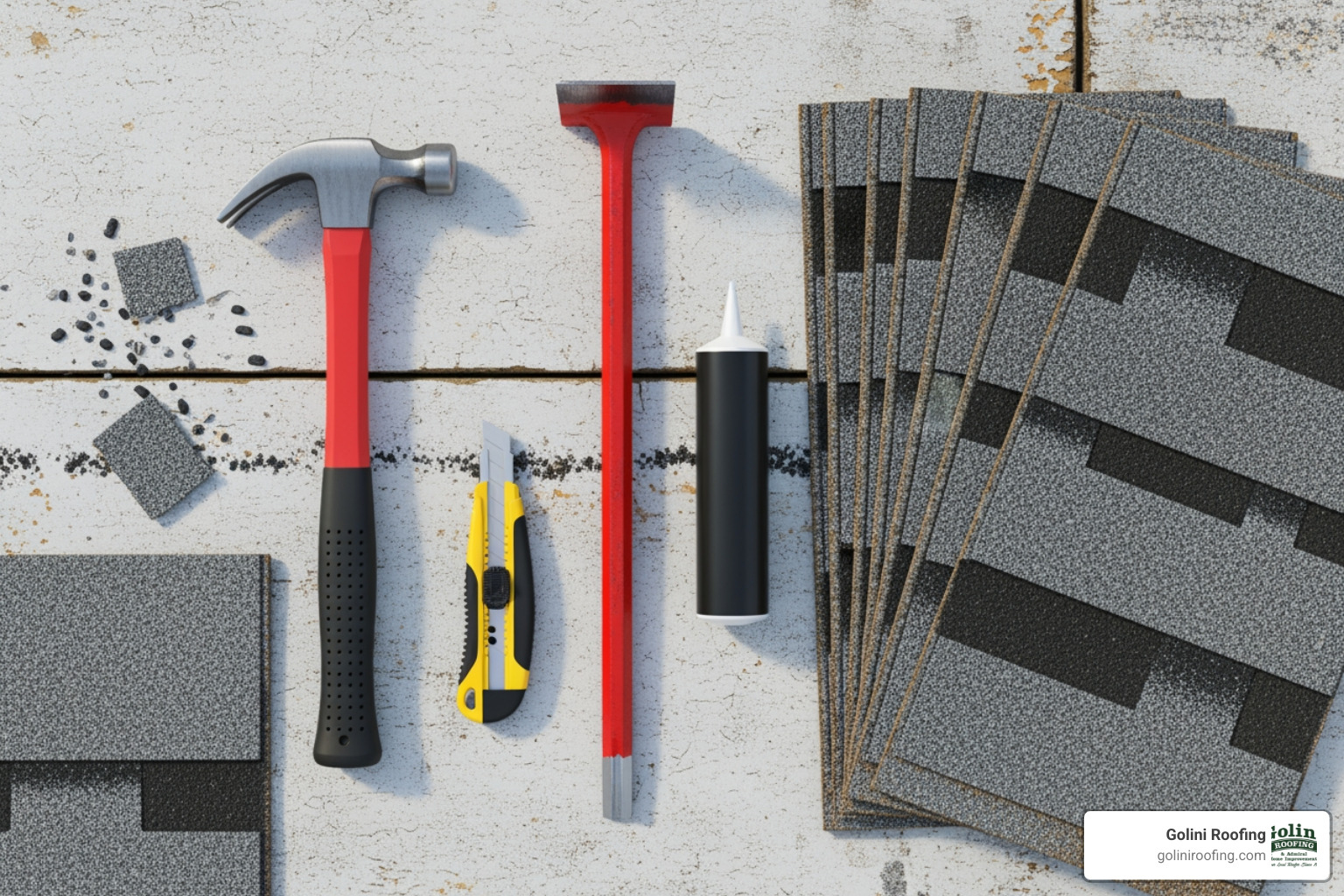
- Replacing a single damaged shingle: Gently pry up the surrounding shingles, remove the nails from the damaged one, slide it out, and slide a new one into place. Secure it with roofing nails and dab roofing cement under the tab to seal it, following the manufacturer’s instructions.
- Sealing a small crack: For a minor crack, apply a bead of roofing cement underneath and over it, spreading it smooth with a putty knife. You can sprinkle loose asphalt granules over the wet cement to help it blend in.
- Applying roofing cement: This works for small nail pops or tiny gaps in flashing, but only on clean, dry surfaces.
When to Call a Pro for Exterior Roof Repair
Many situations are genuinely dangerous or likely to worsen with a DIY attempt. Call a professional for:
- Widespread damage: If damage covers a large area, you need a pro to assess underlying layers.
- Leaks you can’t locate: Water travels. Professionals have tools to trace leaks accurately.
- Structural sagging: This is an emergency. A sagging roofline indicates serious water damage to the framing and requires an expert immediately.
- Damage near complex features: Chimneys, skylights, and valleys are leak hotspots that require specialized flashing techniques. DIY fixes here often fail.
- If your roof is over 15 years old: An aging roof may be too brittle for simple repairs. A pro can advise if replacement is a smarter investment.
- When you lack proper safety equipment: Roofing is dangerous. If you don’t have the right gear and experience, it’s not worth the risk.
A professional exterior roof repair can save you money long-term by avoiding costly mistakes. For comprehensive solutions, explore our full range of roofing services.
Repair or Replace? Making the Right Decision
After finding roof damage, you must decide whether to repair or replace it. A few key factors can guide you toward the right choice for your home and budget.
First, consider the age of your roof. A standard shingled roof lasts 15 to 30 years. If your roof is over 20 years old and facing significant damage, replacement often makes more financial sense than repeated repairs. The extent of the damage also matters. A few missing shingles are a straightforward exterior roof repair, but if damage covers more than 30% of your roof’s surface, replacement is likely the better option.
Finally, weigh the cost of repairs versus replacement. While a full replacement is a larger upfront investment, frequent repairs on an aging roof can add up quickly. A new roof comes with a fresh warranty and decades of protection. Telltale signs that you need a replacement include widespread damage, significant granule loss, a visibly sagging roof deck, and frequent leaks.
When you’re ready to explore your options, you can get a roof replacement estimate to understand the investment for your home.
Understanding Your Homeowner’s Insurance
Understanding your insurance policy is crucial when dealing with exterior roof repair. Most policies cover sudden, accidental storm damage but not wear and tear from age or neglect. This is why regular maintenance strengthens your position when filing a claim.
The claims process typically involves documenting the damage, contacting your agent, an adjuster’s inspection, and a settlement. Thorough documentation with photos is essential. Also, be aware of depreciation factors, as your roof’s age and condition will affect the payout amount. Understand if your policy offers Actual Cash Value (which includes depreciation) or Replacement Cost Value.
Key Factors for Hiring a Roofing Contractor
Choosing a contractor for exterior roof repair is a significant decision. Here’s what matters most.

- Check for license and insurance: This is non-negotiable. A licensed contractor has proven competency, and insurance protects you from liability.
- Ask for local references: A contractor with a long history in your community should have satisfied customers. We are proud to have served homeowners in Burlington, Lynnfield, North Reading, and other local towns for decades.
- Get multiple written estimates: Obtain at least three quotes, but don’t just compare prices. Look at the scope of work, materials, and timeline. An unusually low bid often means cut corners.
- Understand the warranty offered: A reputable contractor stands behind their work with strong warranties on both materials and labor. Ask what is covered and for how long.
The National Roofing Contractors Association offers excellent resources on roof repair expertise. We follow these best practices and hand-nail every shingle to ensure quality and durability.
Preventative Maintenance to Minimize Future Damage
An ounce of prevention is worth a pound of cure, especially for your roof. Simple maintenance is the best way to avoid costly exterior roof repair and extend the life of your roof.
Regular inspections are your first line of defense. We recommend having your roof checked twice a year, in the spring and fall. These seasonal checks can extend your roof’s life by 20-30% by catching small problems before they become big ones. You can often spot issues like damaged shingles or worn flashing from the ground with binoculars.
Gutter cleaning is also essential. Clean your gutters at least twice a year to prevent water from backing up under your shingles, which can cause rot and ice dams in the winter. Our gutter services can take this chore off your hands.
Trimming overhanging tree branches makes a huge difference. Keep branches trimmed back at least 6 to 10 feet from your roofline to prevent them from scratching shingles, clogging gutters, or breaking off and causing punctures during a storm.
Before a major storm, secure loose objects around your yard. Patio furniture and toys can become projectiles in high winds and damage your roof.
Statistics show that homes with regular seasonal maintenance experience 60% fewer leak-related issues. As industry experts emphasize, Preventative Maintenance is Key to minimizing roof damage. This small investment of time protects your entire home and provides peace of mind.
Frequently Asked Questions about Roof Repair
Over the years, we’ve answered countless questions about exterior roof repair. Here are the answers to the ones we hear most often.
How much does a typical roof repair cost?
The cost of exterior roof repair varies widely based on the extent of the damage. A minor fix, like replacing a few shingles, might cost a few hundred dollars. More complex repairs involving flashing or underlayment can easily cost over a thousand dollars. While national averages range from $379 to $1,755, every roof is unique. We always provide a detailed, transparent estimate after a thorough inspection.
Can I perform a roof repair in the rain?
In a word: no. Working on a wet roof is extremely dangerous due to the high risk of slipping and falling. Beyond the safety risk, roofing sealants and adhesives require dry conditions to cure and bond properly. If you have an active leak during a storm, your best course of action is to manage the water inside with buckets and call a professional once the weather clears and the roof is dry.
How can I tell if my roof is leaking?
A leak doesn’t always mean a visible drip. Often, the signs are more subtle. Be on the lookout for:
- Visible water stains: Look for brown or yellowish spots on ceilings or walls.
- A musty odor: This smell in your attic or upper rooms often indicates hidden mold or mildew from a persistent leak.
- Peeling paint: Water infiltration near the roofline can cause paint to bubble and peel.
- Sagging drywall: This is a serious sign of water damage that needs immediate attention.
Don’t ignore these warning signs. The longer a leak goes unaddressed, the more damage it can cause. If you spot any of these indicators, have your roof inspected by a professional as soon as possible.
Protect Your Investment with Expert Care
Your home is one of your biggest investments, and your roof is its most important guardian. That’s why exterior roof repair isn’t just an expense—it’s a smart investment that protects everything underneath it.
A small leak ignored today can quietly cause thousands of dollars in damage to your insulation, framing, and interior finishes. By addressing issues promptly, you protect your home’s value and your peace of mind.
We understand the appeal of DIY, but roofing involves real danger and technical skill that comes from years of training. While a simple shingle replacement might be manageable, most work is best left to professionals. A botched DIY job can turn a small repair into a major emergency.
For homeowners across the North Shore—from North Reading to Wilmington—our company has been the trusted name since 1982. What sets us apart? We hand-nail every single shingle. This method takes more skill but creates a superior, durable bond that stands up to New England’s toughest weather.
We’ve built our reputation on doing things the right way, not the fast way. Your neighbors trust us because we treat every roof like it’s protecting our own family.
Don’t wait for a small problem to become a big headache. Contact us today for a professional inspection, and let’s give your roof the expert care it deserves.
