
Flat Roof Cost: Top 10 Proven Ways to Save in 2025
When considering flat roof cost, homeowners can expect a range of expenses influenced by various factors such as materials, size, and complexity of the roof. Here’s a quick breakdown of what you can expect:
- Cold Roofs: $3 – $9 per square foot
- Warm Roofs: $6 – $11 per square foot
- Inverted Roofs: $4 – $9 per square foot
- Hybrid Roofs: $4 – $11 per square foot
- Green Roofs: $10 – $30 per square foot
- Tapered Roofs: $7 – $10 per square foot
Flat roofs are popular for their affordability, energy efficiency, and versatility. They offer additional living or recreational spaces, resist high winds, and perform well in Florida’s warm, humid climate. However, they do present challenges, including extra maintenance needs and a comparatively shorter lifespan.
My name is Jack Golini, and I have over 35 years of experience in the roofing industry, focusing on quality craftsmanship and customer service. Understanding flat roof cost is crucial for making informed roofing decisions.
Flat roof cost terms explained:
– how much does a roof cost to replace
What is a Flat Roof?
A flat roof is a type of roofing system that is nearly level, with a slope of 10 degrees or less. Unlike traditional sloped roofs, flat roofs have a single, continuous surface. This design makes them distinct and gives them unique advantages and challenges.
Slope and Design
While the term “flat roof” might suggest a completely horizontal surface, these roofs are slightly sloped. This minimal slope is vital for drainage. It helps direct rainwater to drains or gutters, preventing water from pooling on the roof.
Waterproof Material
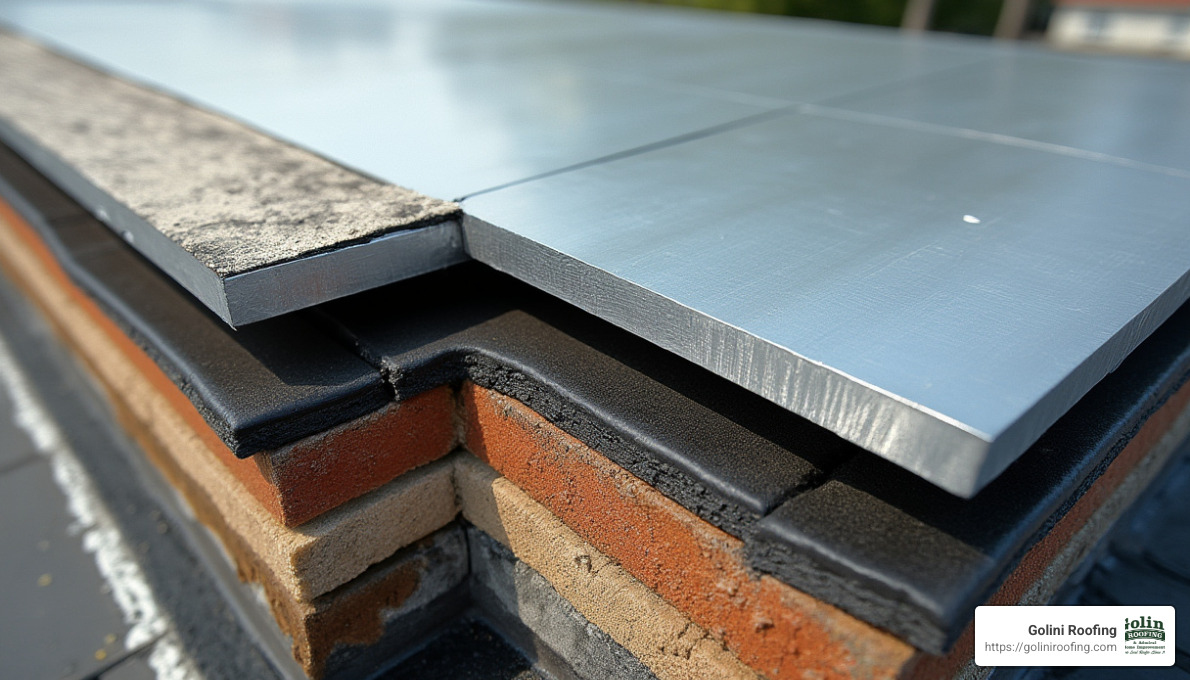
The key feature of a flat roof is its waterproof layer. This layer is crucial because, without the natural drainage of a sloped roof, water tends to linger. The waterproof material can be made from various substances, including:
- Metal: Known for its durability and fire resistance.
- Rubber (EPDM): A popular choice for its affordability and longevity, lasting up to 50 years.
- Single-Ply Membrane: Offers flexibility and can last up to 40 years.
- Modified Bitumen: An asphalt-based option known for its robustness.
These materials are designed to withstand the elements, resist heat, and handle high winds, making them suitable for the diverse climates found in places like Florida and Massachusetts.
Practical Applications
Flat roofs are more than just a protective cover. They offer versatile space that can be used for rooftop gardens, solar panels, or recreational areas. This flexibility makes them an attractive option for both residential and commercial buildings.
In summary, a flat roof is a practical, cost-effective choice for those seeking a modern roofing solution. Its simple design, coupled with the right materials, can provide both functionality and aesthetic appeal.
Benefits and Drawbacks of Flat Roofs
Flat roofs offer a unique blend of energy efficiency, versatility, and practical benefits, but they also come with their own set of challenges. Let’s explore the pros and cons of choosing a flat roof for your building.
Energy Efficiency
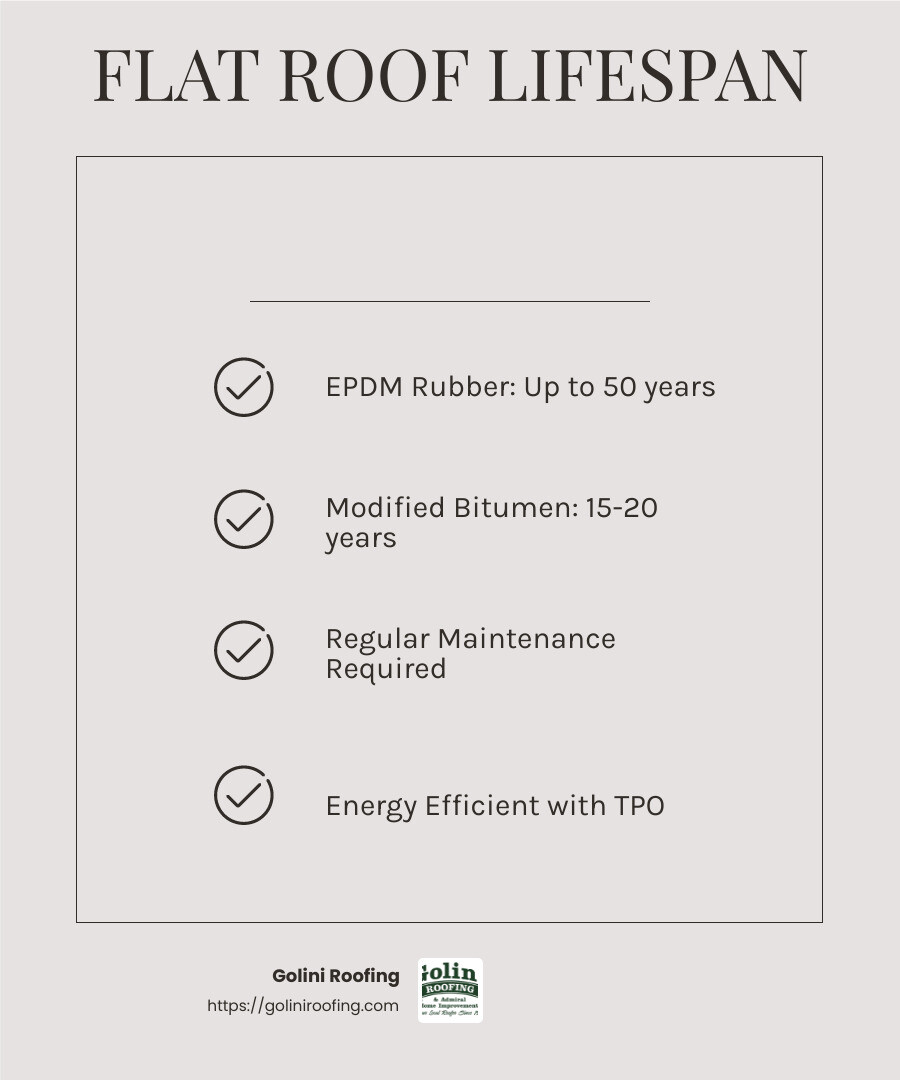
One of the standout features of flat roofs is their energy efficiency. Due to their design, flat roofs can be covered with reflective materials that bounce sunlight away. This helps keep buildings cooler in the summer, reducing air conditioning costs. In fact, materials like TPO (Thermoplastic Olefin) are known for their reflective properties, making them a popular choice for those looking to save on energy bills.
Versatility
Flat roofs are incredibly versatile. They provide a blank canvas that can be transformed into extra living space. Imagine a rooftop garden, a solar panel array, or even a cozy outdoor lounge area. This adaptability makes flat roofs an attractive option for both homes and businesses looking to maximize their space.
Maintenance Needs
However, flat roofs do require more maintenance compared to their sloped counterparts. Their design can lead to water pooling if not properly installed or maintained. Regular inspections and cleaning are crucial to prevent debris buildup and potential leaks. It’s important to address these maintenance needs promptly to avoid costly repairs.
Lifespan
When it comes to lifespan, flat roofs can vary widely depending on the materials used. For instance, EPDM (Ethylene Propylene Diene Monomer) rubber roofs can last up to 50 years with proper care. On the other hand, some materials like modified bitumen may have a shorter lifespan, typically ranging from 15 to 20 years.
Summary
In summary, flat roofs provide significant energy savings and versatile uses but require diligent upkeep. Their lifespan can be long-lasting with the right materials and regular maintenance. Balancing these benefits and drawbacks is key to determining if a flat roof is the right choice for your building.
Next, we’ll explore the different types of flat roofs and highlight their unique characteristics.
Types of Flat Roofs
Flat roofs come in various types, each with its own set of characteristics, benefits, and drawbacks. Let’s explore the most common types used in residential and commercial buildings.
Metal Flat Roofs
Metal flat roofs are made from sheets of metals like aluminum, copper, or steel. They are known for being lightweight, fire-resistant, and recyclable. However, they can be expensive and prone to corrosion over time. These roofs are often chosen for their durability and long lifespan, making them a solid investment despite the higher upfront cost.
Modified Bitumen Roofs
Modified bitumen roofs consist of asphalt combined with rubber or plastic modifiers. These roofs are typically applied in rolls or sheets and are heated to form a seamless membrane. They are flexible, easy to install, and relatively affordable. However, they may suffer from punctures and fading over time, especially in harsh weather conditions.
Built-Up Roofs (BUR)
Built-up roofs, or BUR, are made by layering asphalt or tar with gravel or crushed stone. They are known for being strong and waterproof. However, BUR roofs can be heavy and messy to install, and repairing them can be challenging. Despite these drawbacks, their durability makes them a popular choice for large commercial buildings.
Rubber Membrane Roofs
Rubber membrane roofs, often made from EPDM, are applied in sheets or rolls and secured with glue, tape, or mechanical fasteners. These roofs are resistant to weather, UV rays, and punctures. However, they can be costly and may shrink over time if not properly maintained. Their high resistance to elements makes them ideal for areas with extreme weather conditions.
Single-Ply Membrane Roofs
Single-ply membrane roofs, such as those made from PVC or TPO, are applied in sheets or rolls and are adhered, welded, or mechanically fastened to the roof deck. They are lightweight, reflective, and easy to install. However, they can be susceptible to tearing and chemical damage. Their reflective properties make them a great choice for energy efficiency, especially in sunny climates.
Each type of flat roof has its own set of advantages and considerations. The choice depends on factors like budget, climate, and building needs. Understanding these options can help you make an informed decision when selecting a flat roof for your property.
Next, we’ll dive into the factors that influence flat roof costs, including size, material type, and contractor quality.
Flat Roof Cost Factors
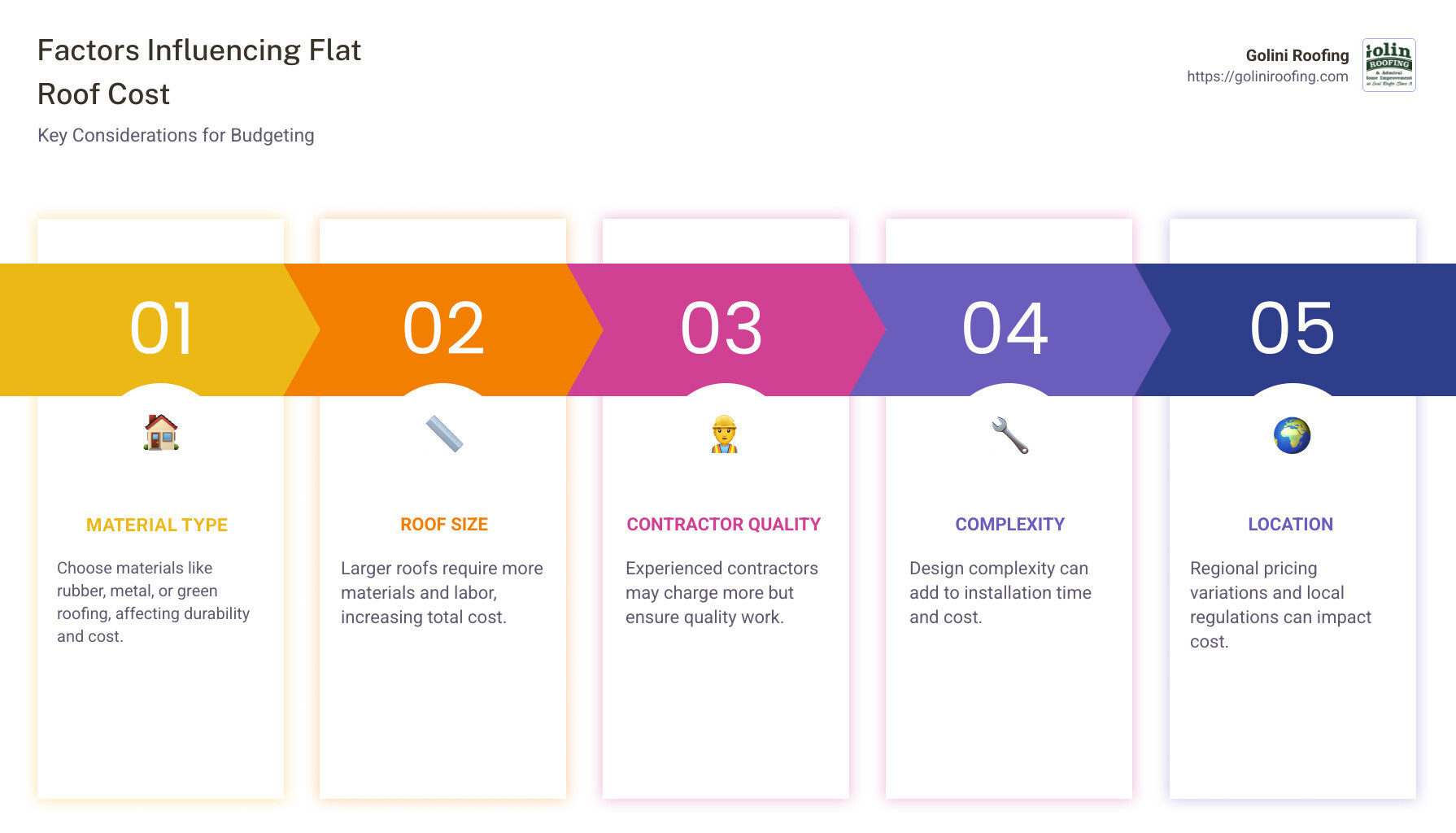
When it comes to flat roof cost, several factors come into play. Understanding these can help you plan and budget effectively for your roofing project.
Roof Size
The size of your roof is one of the most significant factors affecting cost. Larger roofs require more materials and labor, which naturally increases the overall price. For example, a 1,000 sq. ft. roof might cost around $7,000, while a 3,000 sq. ft. roof could rise to $21,000.
Material Type
The type of material you choose is crucial. Different materials have different price points and performance characteristics. For instance:
- TPO (Thermoplastic Polyolefin): Known for durability and energy efficiency. Costs can vary but are generally moderate.
- EPDM (Ethylene Propylene Diene Terpolymer): A synthetic rubber option that is often cheaper but may have higher labor costs.
- Modified Bitumen: Offers flexibility and affordability but may fade over time.
Each material offers a balance of cost, durability, and maintenance needs. It’s essential to consider both initial costs and long-term performance.
Contractor Quality
The quality of the contractor you choose can significantly impact the cost. Experienced, reputable companies might charge more for labor, but they often provide better workmanship and warranties.
Pro Tip: Be wary of “storm chasers” who offer low prices. They often use unlicensed workers, which can lead to poor-quality installations.
Location
Where you live can also affect the cost of a flat roof. In regions with higher living costs, like Massachusetts, labor rates might be higher. Conversely, areas with lower costs of living might offer cheaper labor. Additionally, local climate conditions can influence the type of materials best suited for your roof, which in turn affects cost.
Understanding these factors will give you a clearer picture of what to expect when budgeting for a flat roof. Next, we’ll explore how flat roof costs vary in different regions, such as Florida, Pennsylvania, and Massachusetts.
Flat Roof Cost in Different Regions
Florida
In Florida, the flat roof cost can vary significantly due to the state’s unique climate conditions. The Sunshine State faces hot, humid weather and frequent storms, which makes certain materials more suitable. For instance, TPO roofing is popular due to its durability and energy efficiency, crucial for handling Florida’s heat.
- Average Cost: Installing a flat roof in Florida typically ranges from $4 to $30 per square foot. For a 1,700 sq. ft. roof, you might pay between $6,800 and $51,000, depending on the materials and installation complexity.
- Material Choices: Metal and single-ply membrane roofs are common due to their ability to withstand high winds and resist moisture. However, these options can be more expensive.
- Pro Tip: To save costs, consider modified bitumen or BUR (Built-Up Roofs), which are more affordable and still offer decent durability.
Pennsylvania
In Pennsylvania, the flat roof cost is often influenced by the region’s varied climate, which includes cold winters and hot summers. This requires materials that can handle temperature fluctuations.
- Average Cost: Expect to pay around $250 to $350 per square for a replacement. For a 1,500 sq. ft. roof, this translates to $3,750 to $5,250.
- Material Preferences: EPDM rubber membranes are favored in Pennsylvania due to their flexibility and weather resistance. However, they can be slippery and shrink over time.
- Savings Tip: Investing in a good underlayment and insulation can improve energy efficiency, saving money on heating and cooling over time.
Massachusetts
Massachusetts presents its own set of challenges for flat roofs, with harsh winters and the occasional Nor’easter. This impacts both the choice of materials and installation techniques.
- Average Cost: The cost can range from $7,000 to $15,000 for a complete roof replacement, depending on the size and complexity.
- Material Options: Asphalt shingles are less common for flat roofs but can be cost-effective. Metal roofing, while pricier, offers longevity and can handle Massachusetts’ weather extremes.
- Pro Tip: Hiring a reputable contractor with experience in the local climate is crucial. They can recommend the best materials and ensure the roof is installed to withstand severe weather.
Understanding the cost differences in these regions can help you make informed decisions about your flat roof project. Next, we’ll dive into strategies to save money on flat roof installations.
How to Save Money on Flat Roof Installation
Saving money on a flat roof installation doesn’t mean skimping on quality. It means making smart choices that balance cost with performance. Here are some tried-and-true strategies to keep your expenses in check:
Material Selection
Choosing the right material can significantly impact your flat roof cost. While high-end materials like metal and TPO offer great durability, they can be expensive. If you’re looking to save, consider:
- Modified Bitumen: This is a cost-effective option that still offers good durability and weather resistance.
- Built-Up Roofs (BUR): These are among the more affordable choices and provide decent longevity when properly maintained.
The key is to weigh the cost against the expected lifespan and performance of each material.
Contractor Choice
Your choice of contractor can greatly affect the total cost. Here are a few tips for finding the right one:
- Get Multiple Quotes: Compare at least three quotes to get a sense of fair pricing.
- Check Credentials: Ensure the contractor is licensed and insured. This can save you from potential liabilities.
- Read Reviews: Look for contractors with positive customer feedback. A reputable contractor might cost a bit more upfront but can save you money on repairs down the line.
Maintenance Tips
Regular maintenance can extend the life of your flat roof and save you money on costly repairs. Consider these maintenance practices:
- Regular Inspections: Have your roof inspected at least twice a year, especially after severe weather.
- Clean Debris: Keep the roof clear of leaves and debris to prevent water pooling and damage.
Roof Coating
Applying a roof coating can improve the durability of your flat roof. Here’s how it helps:
- Weather Protection: Coatings can protect against UV rays and reduce heat absorption, which is particularly beneficial in hot climates.
- Leak Prevention: A good coating seals small cracks and leaks, extending the roof’s lifespan.
Investing in a quality roof coating might seem like an added expense, but it can save you money on energy bills and repairs over time.
By focusing on these areas, you can keep your flat roof cost manageable while ensuring a durable and efficient roof. Up next, we’ll tackle some common questions about flat roof costs and how they compare to other roofing options.
Frequently Asked Questions about Flat Roof Cost
How much does a flat roof cost per square foot?
The flat roof cost can vary widely based on the materials used. On average, homeowners can expect to pay between $4 and $13 per square foot. This range accounts for both materials and labor. For example, modified bitumen roofs typically cost between $4 and $8 per square foot, while rubber membrane roofs can go up to $13 per square foot.
The choice of material significantly impacts the cost, so balance budget with performance and durability.
Is a flat roof cheaper than shingles?
Flat roofs can often be more affordable than traditional shingle roofs. The simplicity of their design means fewer materials and less labor are required. However, the overall cost can vary based on the specific materials chosen. For instance, while asphalt shingles might cost around $7 per square foot, a single-ply membrane flat roof could be slightly cheaper, ranging from $4 to $7 per square foot.
It’s crucial to consider the long-term maintenance and lifespan of each option. Flat roofs may require more frequent maintenance, which can impact overall affordability.
What affects the cost of flat roof replacement?
Several factors influence the cost of replacing a flat roof:
- Material: As mentioned, different materials come with different price tags. Choose based on your budget and the roof’s expected lifespan.
- Size: Larger roofs require more materials and labor, naturally increasing costs. For example, a 1,000 sq. ft. roof might cost between $4,000 and $13,000, depending on the material.
- Disposal: Removing and disposing of the old roofing material can add to the cost. This is an often-overlooked expense but necessary for a clean and safe installation process.
Understanding these factors can help you budget more accurately for your flat roof replacement. Next, we’ll dig into the unique flat roof cost considerations for different regions, including Florida, Pennsylvania, and Massachusetts.
Conclusion
At Golini Roofing, we pride ourselves on delivering top-notch roofing services across Massachusetts. With over 35 years of experience, our expertise in both residential and commercial roofing has earned us a reputation for exceptional craftsmanship and customer satisfaction.
Our meticulous approach, especially our unique hand-nailing technique, ensures that each shingle is securely fastened for superior durability and weather resistance. This attention to detail sets us apart from other roofing companies and ensures that your roof will protect your home for years to come.
When it comes to flat roofs, we understand that the flat roof cost can be a significant investment. That’s why we offer a comprehensive service that includes a detailed consultation to help you choose the best materials and design for your specific needs and budget. Our team is dedicated to guiding you through the entire process, from the initial consultation to the final inspection, ensuring a smooth and stress-free experience.
Serving areas such as Burlington, Lynnfield, North Reading, and beyond, we are committed to providing reliable and professional roofing services to our community. Our focus is not just on delivering a high-quality roof, but also on ensuring complete customer satisfaction. We keep you informed and involved every step of the way, aiming to exceed your expectations.
If you’re considering a flat roof installation or replacement, we invite you to explore our roof replacement cost page for more information. Let us help you protect your home with a roof you can trust.
