
Commercial roof estimate: 5 Best Tips 2025
Why Getting an Accurate Residential Roof Estimate Matters
A residential roof estimate is your roadmap for your roofing project’s cost and scope. Without a detailed estimate, you’re flying blind on one of your home’s most significant investments.
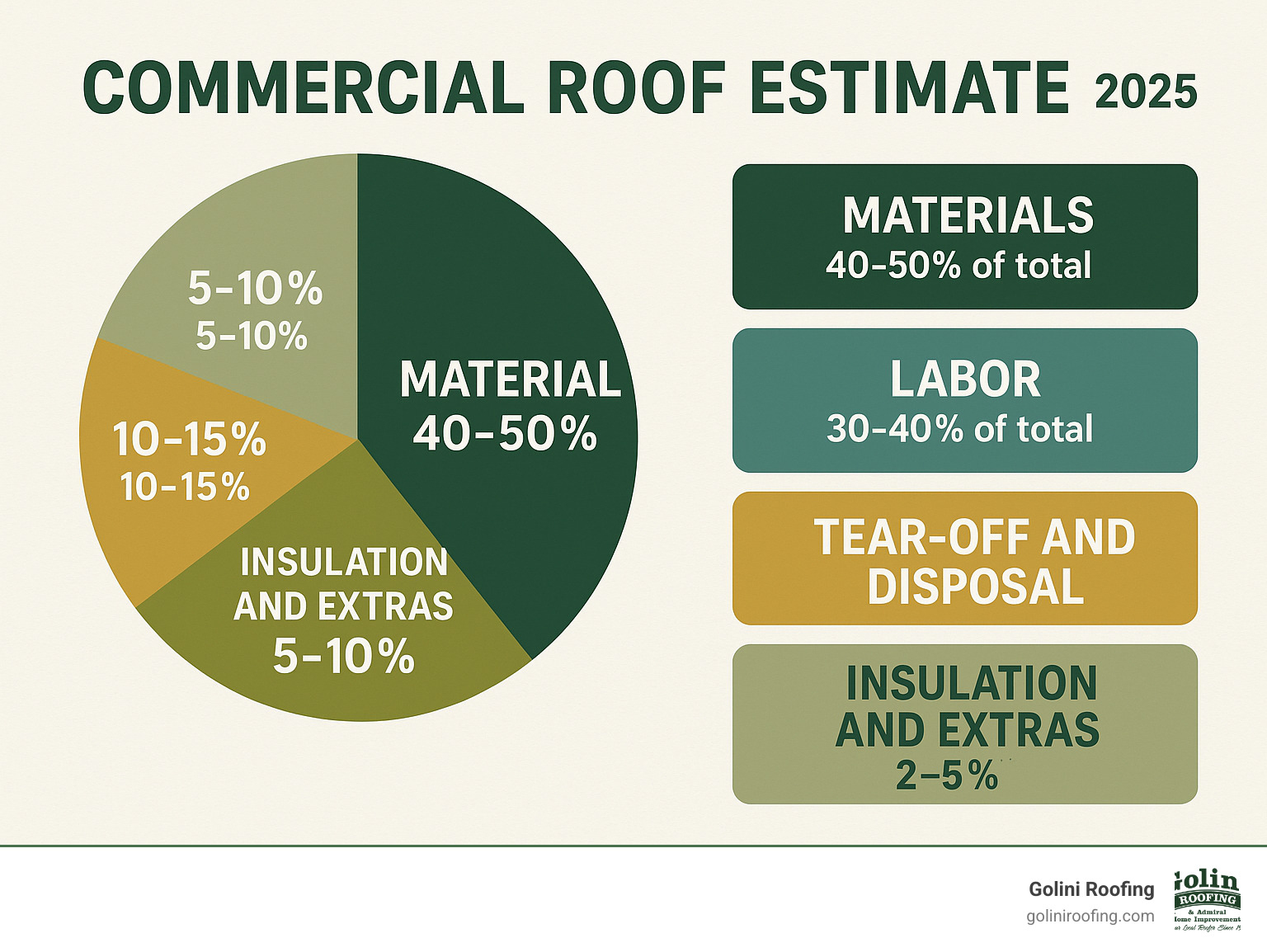
Key components of a residential roof estimate:
- Material costs – ranging from $3-$15 per square foot depending on system type
- Labor expenses – typically $400-$800 per square (100 sq ft) based on complexity
- Tear-off and disposal – $1,200-$2,400 for removal of existing materials
- Permits and inspections – $360-$1,200 depending on local requirements
- Additional costs – insulation, flashing, gutters, skylights, and architectural features
The stakes are high when it comes to your roof. A 3,000 square foot shingle roof replacement can range from $12,000 to $45,000 depending on materials and complexity. That’s why getting multiple detailed estimates is essential for protecting your investment.
Professional estimates do more than give you a number. They break down every cost, help you understand the scope, and allow for fair contractor comparisons. Online calculators give a ballpark figure but can’t account for unique challenges like roof access, roof pitch, or hidden structural issues.
I’m Jack Golini, and I’ve been providing detailed residential roof estimates throughout the North Shore area for over 35 years. My experience has taught me that transparent, itemized estimates are the foundation of every successful roofing project.
Residential roof estimate vocab to learn:
Key Factors That Drive Your Residential Roof Estimate
Every residential roof estimate is shaped by key factors that impact your project’s final cost. The size of your roof matters, but it’s far from the only consideration. How easily can our crew access your home? A one-story ranch with clear access is simpler than a tall, steep-roofed colonial with limited staging areas.
Roof pitch and the number of stories add complexity and cost. Steeper roofs require additional safety equipment and take longer to install. A low-slope roof section might take a couple of days, while a steep roof with multiple facets and dormers could take longer due to the logistics of working at height.
Then there’s occupancy during construction. If your family needs quiet hours or specific days, we can schedule work to minimize disruption, though these adjustments can affect labor costs.
Even the time of year plays a role. Spring and summer are peak seasons with higher demand. In colder months, we account for ice and water shield placement, temperature limits for adhesives, and safety measures.
Roof Type: Flat vs. Sloped
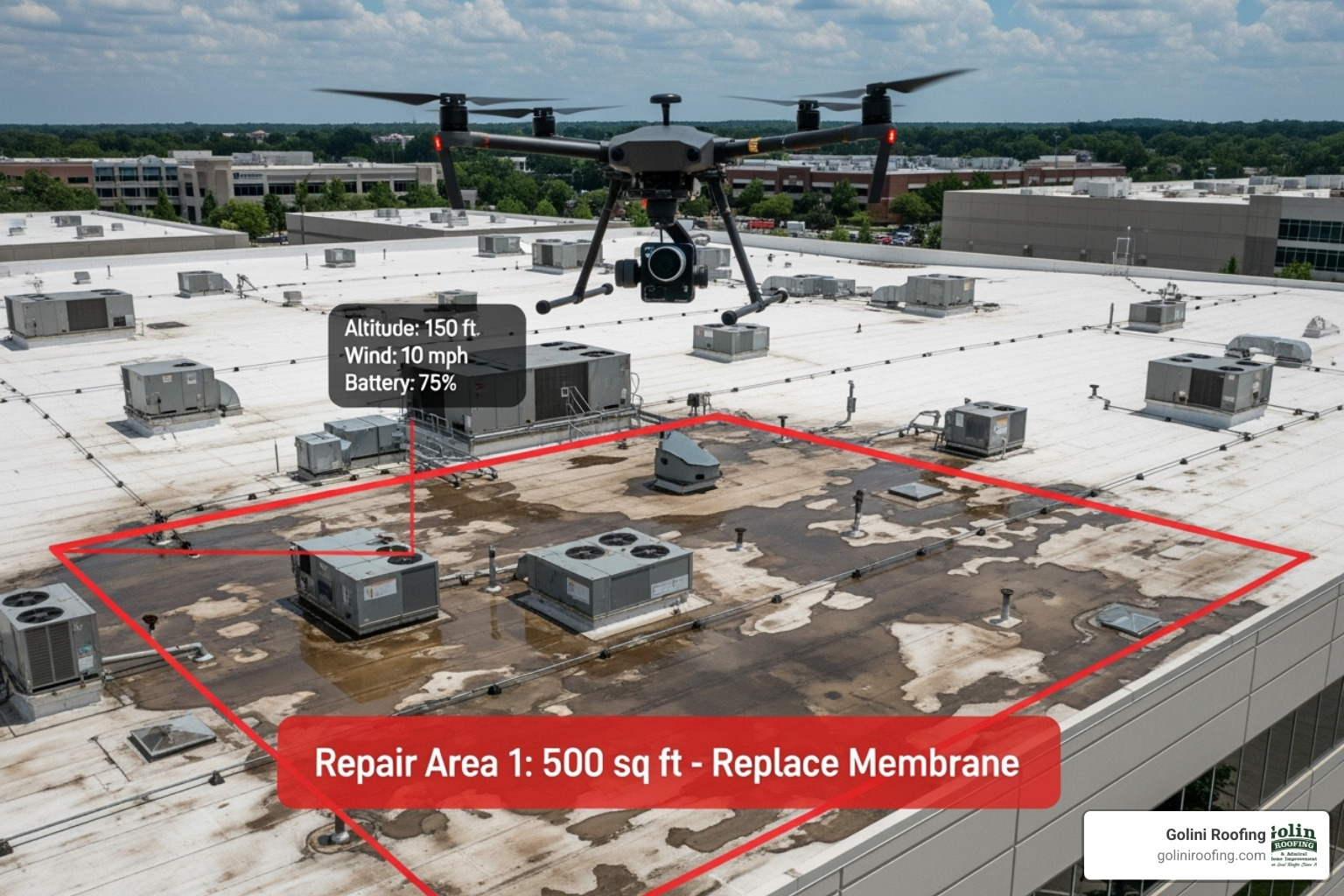
The type of roof you have fundamentally shapes your residential roof estimate. Most homes have sloped roofs with asphalt shingles, while some have small low-slope sections over porches or additions.
Asphalt shingle systems are popular for value and curb appeal, with options ranging from 3-tab to architectural shingles. Low-slope areas often use self-adhered or modified bitumen systems designed for residential use.
The installation complexity differs significantly. Sloped roofs demand proper underlayment, ice and water shield in vulnerable areas, and careful ventilation. Low-slope sections require precision drainage to avoid ponding water.
Drainage systems matter for both types. For homes, that means clean, properly sized gutters and downspouts and well-designed valleys and diverters to move water efficiently.
Roof Size and Complexity
While roof size affects your total cost, the relationship isn’t always linear. Larger roofs can benefit from economies of scale, but more area means more materials, labor, and a longer timeline.
Complexity is where things get interesting. A simple rectangular roof is predictable. Architectural features like dormers, multiple roof lines, valleys, or decorative elements add complexity, requiring more skill and time.
Roof penetrations are complexity multipliers. Every chimney, skylight, plumbing vent, or satellite dish creates a potential leak point. A roof with many penetrations requires careful, custom flashing around each one to prevent leaks.
Code Requirements and Wind Load
Local building codes directly impact your residential roof estimate. These codes cover underlayment, ice barrier, ventilation, and more, varying by location.
State regulations in Massachusetts include specific requirements for energy efficiency and building performance. These may mandate ice and water shield in eave and valley areas and minimum ventilation ratios, affecting materials and labor.
Attic ventilation and insulation are crucial for long-term performance. Proper intake and exhaust (soffit and ridge vents) help prevent ice dams and premature shingle aging.
Wind ratings for shingles matter, especially in coastal Massachusetts. Homes in higher-wind areas require specific fastening patterns and components to ensure your roof stays put during a storm.
Fastener specifications are a critical detail. The right fasteners, properly installed, keep your roofing system attached to your home. We stay current with all Massachusetts building codes, ensuring your roof meets or exceeds every standard.
For more details about how we handle these complexities, check out our roofing services. Our 35+ years of experience means we’ve handled virtually every code requirement and weather challenge the North Shore can throw at us.
Deconstructing the Costs: Materials, Labor, and Beyond
When you’re looking at a residential roof estimate, the most important thing is an itemized breakdown showing where every dollar is going. I’ve learned over my 35+ years in business that transparency builds trust, which is the foundation of any successful roofing project.
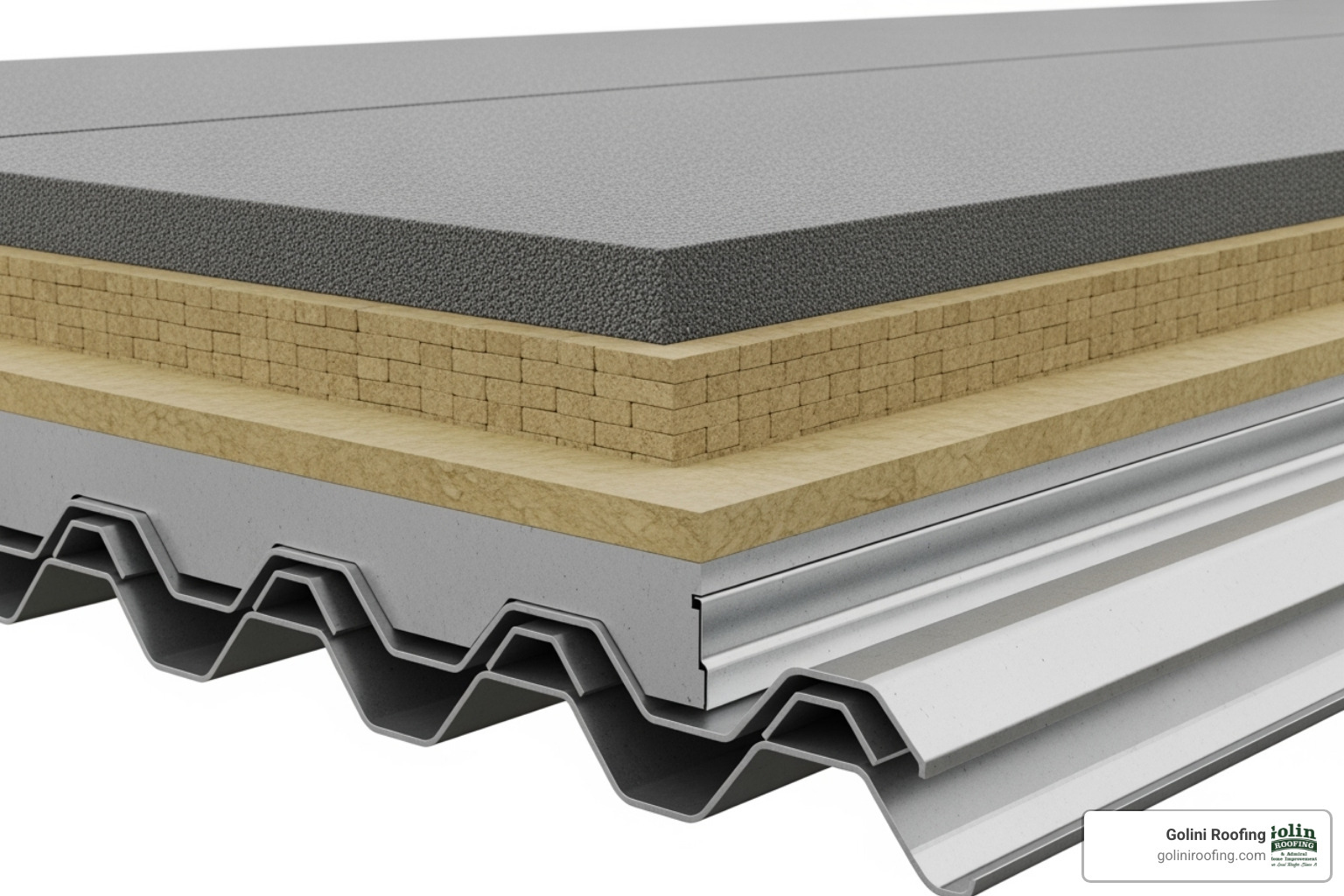
Your home’s roof is a system: shingles, underlayment, ice and water shield, flashing, ventilation, and gutters must work in harmony. Architectural asphalt shingles offer durability and curb appeal, while entry-level 3-tab shingles meet budget needs. Each choice has unique installation requirements and costs.
The beauty of a detailed residential roof estimate is that it removes the mystery. You’ll see exactly what materials we’re using, how much labor is involved, and what additional costs to expect. No surprises, no hidden fees—just honest, straightforward pricing to help you make an informed decision.
Material Costs, Lifespan, and Warranties
The roofing material you choose isn’t just about upfront cost—it’s about value over time. I advise homeowners to consider the lifespan, warranty, and long-term performance, not just the initial price.
Here’s a breakdown of common residential roofing materials:
| Material Type | Average Cost per Sq. Ft. (Internet Data) | Estimated Lifespan | Common Warranty |
|---|---|---|---|
| Asphalt Shingles (Architectural) | $4.00 – $8.50 | 20-30 years | 25-50 years (varies) |
| Asphalt Shingles (3-Tab) | $3.00 – $6.00 | 15-20 years | 20-25 years |
| Composite/Polymer Shingles | $7.00 – $14.00 | 30-50 years | 30-50 years |
| Wood/Cedar Shake | $6.00 – $12.00 | 20-30 years | 20-30 years |
| Low-Slope (Residential Modified/SA) | $4.00 – $9.00 | 15-25 years | 10-20 years |
Please note: These are average costs based on internet data and not actual costs for Golini Roofing. Prices can vary significantly based on specific product lines, regional markets, and project complexity.
Architectural shingles are the reliable workhorses of residential roofing, offering excellent value and lasting 25+ years with proper ventilation and maintenance.
Warranties are not all created equal. Some are pro-rated, meaning their value decreases over time, while others have strict maintenance requirements. We help you understand exactly what your warranty covers so you can make the smartest choice for your home.
The Impact of a Roof Tear-Off vs. an Overlay
This is one of the biggest decisions affecting your residential roof estimate. A full tear-off means we strip everything down to the roof deck. It’s more expensive upfront—removal and disposal can add $1,200 to $2,400 per 1,000 square feet based on internet data—but it lets us see what’s underneath.
We often find water damage, rotted sheathing, or ventilation issues during a tear-off that would be invisible with an overlay. Finding these problems early adds to the initial cost but prevents more expensive headaches later.
An overlay is tempting because it skips removal costs by installing the new roof over the existing one. However, this is only possible if codes allow it and the current roof is flat, dry, and has no more than the allowable layers. Overlays can mask problems like trapped moisture.
If there’s damaged decking or hidden leaks beneath an overlay, your new roof could fail prematurely. For any questions about existing roof conditions or repair needs, you can find more info about roof repairs.
Understanding Labor and Additional Costs
Labor is where craftsmanship shows, and it’s a significant part of any residential roof estimate. Based on internet data, labor can range widely depending on size, pitch, and complexity. This reflects the skill and time needed for quality installation.
At Golini Roofing, our meticulous approach takes more time than shortcuts, but it ensures your roof will stand the test of time. Quality labor isn’t an expense; it’s an investment in your home’s future.
Beyond materials and labor, several additional costs round out your estimate. Permit fees typically run $360 to $1,200, depending on your municipality. Inspections and site protection (landscaping, siding, and window protection) also factor in. Decking replacement, chimney flashing, skylight replacement, and gutter work (repairs or full replacement) may be included based on your home’s needs.
A detailed residential roof estimate will spell out every cost so you can budget accordingly. That’s the Golini way: complete transparency from start to finish.
How to Ensure You’re Getting a Fair and Accurate Quote
Getting a fair and accurate residential roof estimate isn’t about finding the cheapest option—it’s about finding the right partner for your home’s most important upgrade. After 35 years in roofing, I’ve seen many homeowners get burned by estimates that were too good to be true.
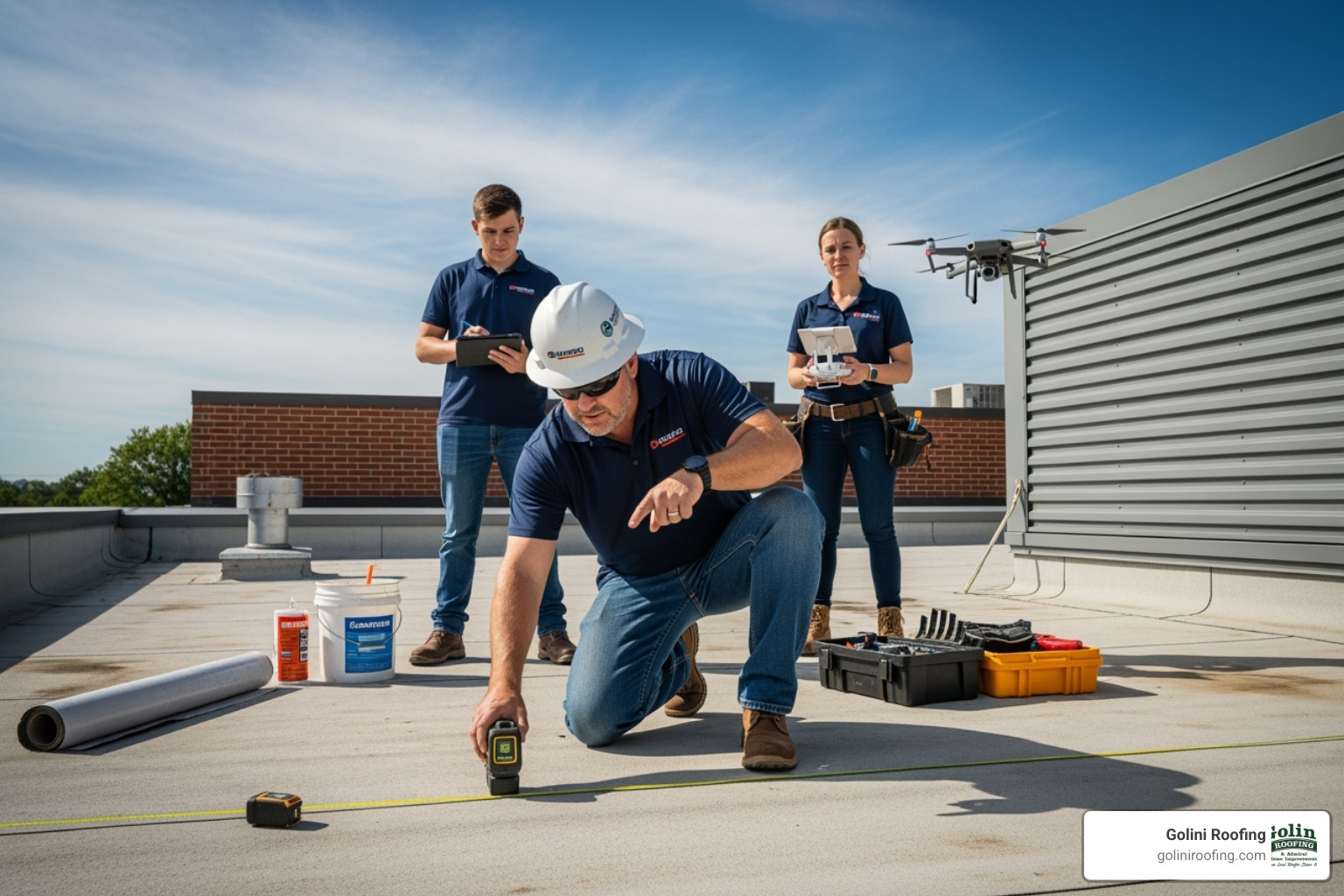
A quality residential roof estimate should feel comprehensive. When a contractor takes time to thoroughly inspect your roof, ask detailed questions, and explain their findings, that’s a good sign. Be wary of anyone who gives a quote after a quick glance from the ground—that’s a red flag.
Steps to an Accurate Residential Roof Estimate
The process starts with you. Getting multiple quotes from at least three reputable local roofing companies provides a solid basis for comparison. But you can’t just compare the bottom-line numbers.
Providing detailed project information upfront makes a difference. Share any attic access, known leaks, ice dam history, and be clear about your scheduling needs. The more we know, like steep-slope sections or sensitive landscaping, the more accurate your estimate will be.
Asking for an itemized breakdown is essential. Any reputable contractor should happily break down costs for materials, labor, tear-off, and permits. A lump sum with no details is another red flag.
Finally, clarifying inclusions and exclusions prevents surprises. Understand what’s covered—disposal fees, decking replacement, chimney flashing, skylight work, gutters, warranty terms—and what isn’t. A good contractor will walk through these details with you.
What to Look for in Your Residential Roof Estimate
A professional residential roof estimate should be a detailed project roadmap. The detailed scope of work should clearly describe every phase, from protection and tear-off to installation and cleanup.
Material specifications matter. Instead of vague descriptions like “shingles,” look for specifics like brand, style (architectural vs. 3-tab), and underlayment types (synthetic, ice and water shield). This detail shows the contractor’s expertise and lets you research the materials.
The labor costs should reflect the project’s complexity. Payment schedules should be reasonable, with payments tied to milestones. Be cautious of anyone demanding large upfront payments.
Your estimate should include a realistic project timeline with major milestones. And don’t forget to verify proof of insurance—both liability and workers’ compensation. This protects your property and gives you peace of mind.
Choosing the Right Contractor
Years of experience in residential roofing matter. Homes present challenges—from steep pitches and valleys to protecting landscaping—that require knowledge gained over time. Our 35+ years of experience means we’ve handled nearly every roofing challenge imaginable.
Local reputation reveals how a contractor treats customers. Ask for references from recent residential projects and check online reviews. A contractor serving the same community for decades has a reputation to protect.
Manufacturer certifications represent training, expertise, and often better warranty coverage. Many manufacturers only certify contractors who meet strict standards for quality and business practices.
Checking credentials is worth the effort. Verify licensing and insurance, and consider checking with national professional roofing organizations to ensure they adhere to industry standards.
At Golini Roofing, our commitment to quality shows in every project. Our meticulous attention to detail and thorough cleanup reflect our dedication to exceptional craftsmanship. You can see examples of our work at More info about our work.
Frequently Asked Questions about Residential Roof Estimates
In my 35+ years of roofing, homeowners often ask the same thoughtful questions. This is understandable, as a roof is a significant investment, and you want to know what you’re getting into. Let me share the most common questions we hear when preparing a residential roof estimate.
What is the biggest hidden cost in residential roofing?
The biggest hidden cost isn’t visible from the ground. It usually lurks beneath your existing roof: damaged sheathing, wet underlayment, or compromised framing around chimneys and skylights.
Here’s what can happen: During our initial inspection, we assess the surface and provide an estimate based on what’s visible. But the real story unfolds during tear-off. That’s when we might find long-term leaks, deteriorated decking, or poorly vented attic spaces. Damaged decking must be replaced before installing new shingles.
Chimney and skylight flashing can also be surprise costs if they’re corroded, improperly installed, or beyond reuse. We discuss these possibilities upfront in your residential roof estimate and explain how we handle surprises. It’s better to be prepared.
How long does a residential roof estimate take to complete?
The timeline varies with your home’s complexity.
For a straightforward roof—a simple rectangle with minimal penetrations—we can often provide a detailed quote within 24 to 48 hours after our inspection.
A complex roof with multiple levels, dormers, valleys, skylights, or difficult access requires more time. We take detailed measurements, note every penetration, assess flashing, and consider factors like roof pitch and access. This thoroughness ensures your estimate is accurate.
I’d rather take the time to get it right than rush and miss something important. Those “instant” online estimates are appealing but can’t account for your home’s unique challenges. A reliable residential roof estimate requires an on-site assessment.
Is a more expensive roofing material always the better choice?
Not necessarily. The better choice depends on your situation, budget, and long-term plans, not just the price. While premium materials can offer superior durability and longer lifespans, experience helps guide this decision.
What I encourage homeowners to consider is the life-cycle cost, not just the upfront price. For example, architectural shingles might cost more upfront but last longer and look better than 3-tab shingles. Compare that to a lower-cost option that might need replacement sooner, and the long-term value becomes clear.
Energy efficiency and attic ventilation also affect long-term costs. Some shingles reflect more heat, and a well-ventilated attic can extend shingle life and reduce cooling expenses. Better warranties can also provide peace of mind and savings on future repairs.
The key is an honest conversation about your goals so we can recommend the material that makes the most sense for your home.
Conclusion
Understanding your residential roof estimate is about more than numbers; it’s about making an informed decision to protect your home for decades. We’ve covered the factors shaping your estimate, from roof size and materials to code requirements, ventilation, and hidden structural issues found during tear-off.
The investment in a new roof is substantial. That’s why transparency in your residential roof estimate is so important. When you understand the drivers of cost—skilled labor, quality materials, permits, and inspections—you’re empowered to make the best choice.
Getting multiple detailed estimates is your protection against surprises. Recognizing red flags like low bids or vague scopes can save you from costly mistakes. Look for contractors who break down every cost, explain their approach, and have the experience to handle any challenge your roof presents.
At Golini Roofing, our 35+ years of experience across Massachusetts has taught us that every home tells a story—and every estimate should tell yours accurately. Our commitment to careful installation and providing transparent, itemized estimates reflects our belief that your roof deserves exceptional craftsmanship and honest communication.
Your roof is a critical component of your home’s long-term success. Ready to move forward with confidence? Contact us for your detailed residential roof estimate in Peabody, MA and let’s discuss how we can help protect your home from the top down.
