
Roof Inspection for Insurance: 5 Essential Benefits
When it comes to protecting your home, a roof inspection for insurance is more vital than you might think. Here’s why:
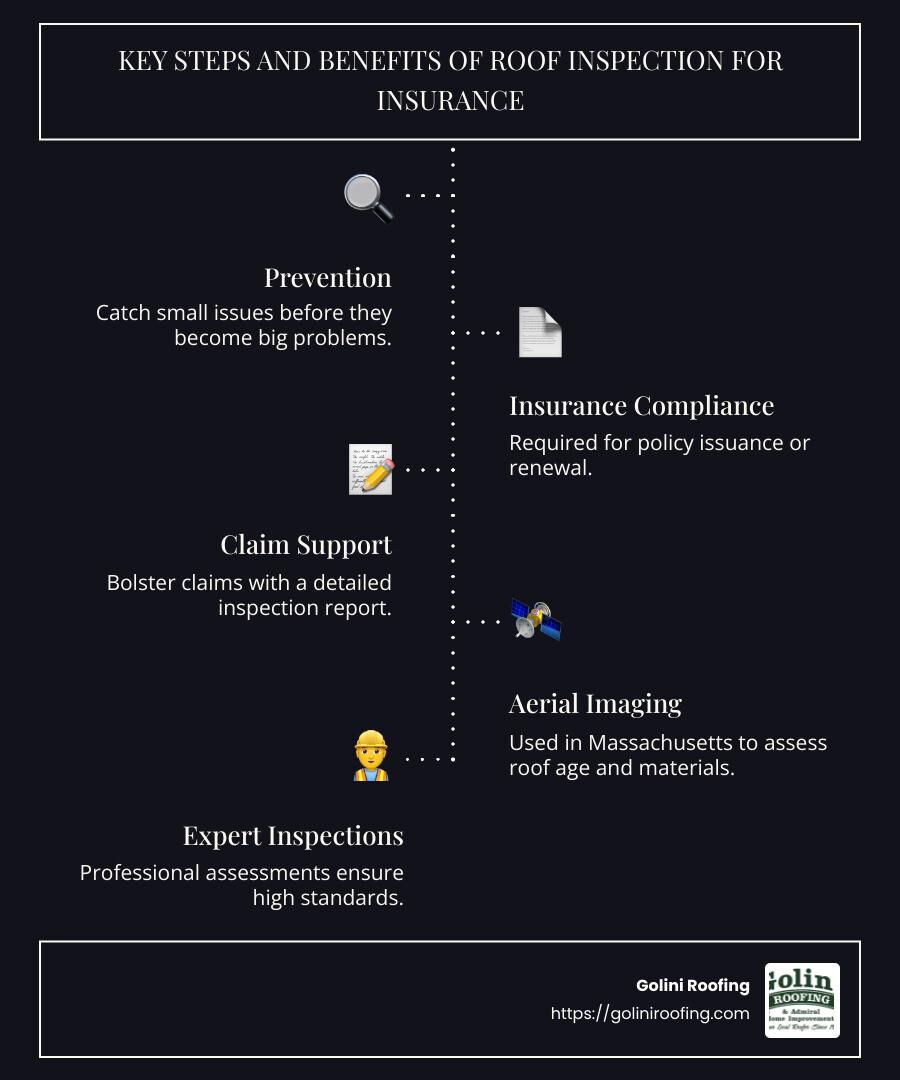
- Prevention of costly repairs: Regular inspections can catch small issues before they become big problems.
- Insurance compliance: Many insurers require an inspection to issue or renew policies.
- Claim support: A detailed inspection report can bolster your claim in the event of damage.
In Massachusetts, an insurance company may use aerial imaging alongside traditional inspections, assessing aspects like roof age and materials. Massachusetts law allows them to make renewal decisions based on these findings.
I’m Jack Golini, owner of Golini Roofing with over 35 years in the roofing industry, specializing in roof inspection for insurance. Our expertise guarantees you a meticulous inspection, ensuring your roof not only meets but exceeds insurance standards. Let’s dive deeper into why this process is so crucial.
Quick roof inspection for insurance terms:
– certified roof inspector
– how much does a roof inspection cost
– roofing certification
What is a Roof Inspection?
A roof inspection is a detailed examination of your roof’s condition. It’s not just about checking if any shingles are missing. Instead, it involves a thorough assessment of multiple components to ensure your roof is in top shape.
Comprehensive Assessment
During a roof inspection, professionals look at:
- Roofing Material: This includes shingles, tiles, or metal panels. Inspectors check for wear and tear, missing pieces, and signs of damage.
- Ventilation: Proper ventilation is crucial. It helps regulate temperature and moisture levels, preventing issues like mold growth.
- Decking: This is the layer beneath your roofing material. Inspectors ensure it’s sturdy and free from rot or damage.
- Flashing: Flashing is used around chimneys, skylights, and other roof penetrations to prevent water leaks. Inspectors look for rust or loose flashing.
- Gutters and Caulking: Gutters should be clear of debris and securely attached. Caulking around joints and seams must be intact to prevent leaks.
- Supporting Framework: The structural framework supports the entire roof system. Any signs of sagging or weakness could indicate serious issues.
- Seams/Valleys: These are areas where two roof sections meet. Inspectors check for proper sealing and any signs of water pooling or damage.
- Chimneys/Skylights: These features are prone to leaks if not properly sealed and maintained. Inspectors look for cracks or other damage.
Common Issues Detected
A roof inspection can uncover several potential problems, including:
- Leaks: Water spots on ceilings or walls inside your home can indicate a leaky roof.
- Mold: Excess moisture can lead to mold growth, which can affect your home’s air quality.
- Rust: Metal components like flashing and nails can rust over time, compromising their integrity.
By addressing these issues early, you can avoid more costly repairs down the line.
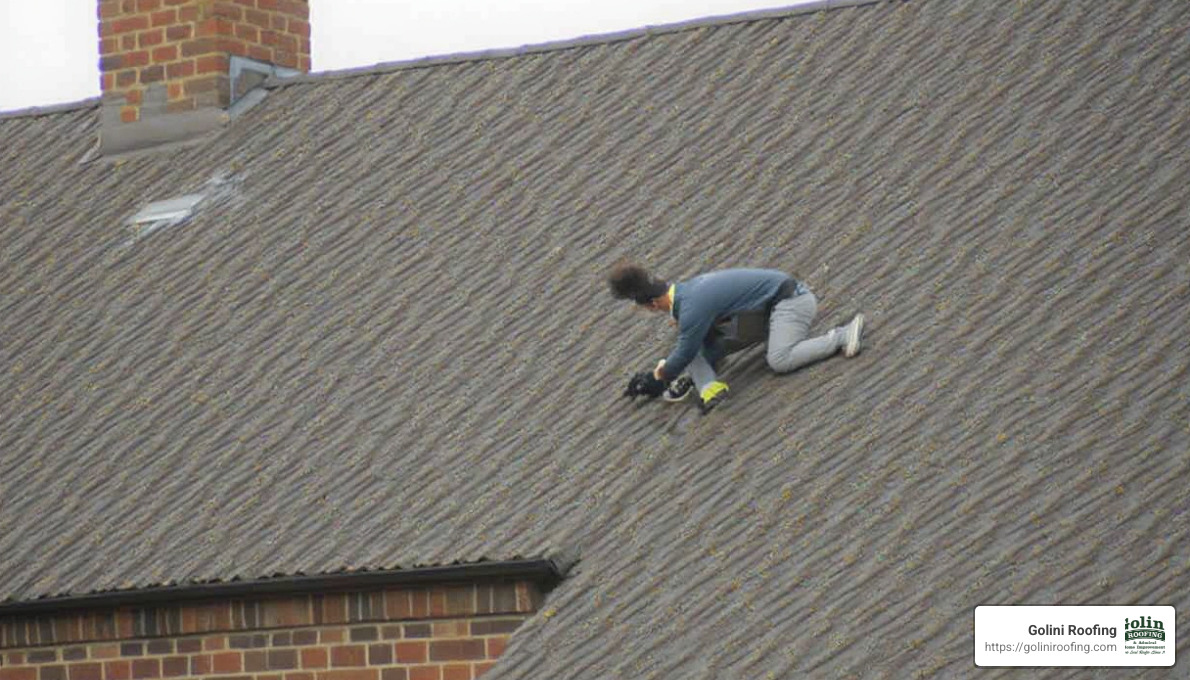
Regular roof inspections are not just about maintaining your roof; they are also crucial for insurance purposes. Many insurance companies require a roof inspection to assess the risk and determine coverage terms. A well-maintained roof can lead to lower premiums and a smoother claims process if damage occurs.
Next, let’s explore the benefits of a roof inspection for insurance and how it can save you money in the long run.
Benefits of a Roof Inspection for Insurance
Getting a roof inspection for insurance is more than just a formality. It’s a smart move that can save you money and keep your home safe.
Lower Insurance Premiums
Insurance companies often reward homeowners with well-maintained roofs by offering lower premiums. A roof in good condition poses less risk, which means fewer claims and lower costs for insurers. Keeping your roof in top shape can lead to significant savings on your insurance bill.
Catch Minor Issues Early
A roof inspection helps spot small problems before they turn into big ones. Minor issues like loose shingles or small leaks can be fixed easily and cheaply. If left unchecked, these can lead to major repairs that are costly and stressful.
Improved Protection
Your roof is your home’s first line of defense against the elements. Regular inspections ensure that it remains strong and reliable. This protection is especially important during severe weather, like hurricanes or heavy snowstorms.
Improved Energy Efficiency
A well-maintained roof can also improve your home’s energy efficiency. Proper insulation and ventilation keep your home warm in winter and cool in summer. This reduces the strain on your HVAC system and lowers energy bills.
Maintain Your Warranty
Many roofing materials come with a warranty, but neglecting maintenance can void it. Regular inspections help ensure that your roof stays within warranty conditions, protecting you from unexpected expenses.
Extend Roof Life Expectancy
Routine maintenance can extend the life of your roof, sometimes by up to 50%. By addressing issues early, you avoid premature replacements and maximize your roof’s lifespan.
Cheaper Maintenance
Regular inspections and maintenance are much cheaper than major repairs or replacements. By investing in small fixes now, you save money in the long run.
Boost Curb Appeal
A clean, well-maintained roof improves your home’s curb appeal. This is crucial if you’re planning to sell your home. Buyers are more likely to make an offer on a house with a roof in excellent condition.
Regular roof inspections are an investment in your home that pays off in many ways. They keep your insurance premiums low, extend the life of your roof, and protect your home from damage.
Next, let’s dig into why insurance companies request roof inspections and how it impacts your coverage and claims.
Why Insurance Companies Request Roof Inspections
Insurance companies have good reasons to ask for a roof inspection for insurance. They want to make sure your roof is in good shape. This helps them avoid unnecessary payouts and ensures that you’re properly covered.
Age of the Roof
The age of your roof is a big factor. Roofs over 20 years old often have limited coverage, if any. Older roofs are more likely to have wear and tear, which increases the risk of damage. Insurance companies want to know the age to assess risk accurately. If your roof is too old, they might require a replacement before offering full coverage.
Maintenance Suspicion
If there are signs that your roof hasn’t been well-maintained, insurers might request an inspection. They want to know if you’ve been keeping up with necessary repairs. Poor maintenance can lead to problems like leaks or rot, which can be costly to fix.
Roof Replacement
If you’ve replaced your roof recently, insurers might ask for an inspection. They need to confirm that the new roof was installed correctly and with quality materials. This ensures the roof meets their standards and reduces the likelihood of future claims.
Policy Condition
Some insurance policies require regular roof inspections as a condition of coverage. This is to ensure that the roof remains in good condition throughout the policy term. Fulfilling this requirement helps maintain your coverage and prevents potential claim issues.
New Insurance
When taking out new homeowner’s insurance, especially for an older home, a roof inspection might be mandatory. Insurers want to assess the current condition of the roof to determine the level of risk they are taking on.
Liability and Risk
Insurers use inspections to evaluate liability and risk. A roof in poor condition increases the risk of damage during storms or other events. By assessing the roof’s condition, they can adjust coverage and premiums accordingly.
Hurricane Season
In regions prone to hurricanes, roof inspections become even more critical. Insurers want to ensure that your roof can withstand severe weather. A sturdy roof reduces the likelihood of damage claims during hurricane season.
Insurance companies are thorough because they need to manage risk effectively. By understanding why they request roof inspections, you can better prepare and ensure your roof meets their standards.
Next, we’ll explore the roof inspection process and what you can expect during an inspection.
The Roof Inspection Process
When it comes to a roof inspection for insurance, understanding the process can help you steer it smoothly. Let’s break down what you can expect and who is involved.
Licensed Roofer
A licensed roofer is often the go-to expert for roof inspections. These professionals have the training and experience to assess the condition of your roof accurately. They know what to look for, from missing shingles to rusted flashing. Their detailed inspection helps identify potential issues that might affect your insurance coverage.
Home Inspector
Sometimes, a home inspector is involved in the process. While they typically inspect the entire home, they also look at the roof as part of their assessment. However, their inspection might not be as detailed as a licensed roofer’s. If your insurance company requires a more in-depth evaluation, they might prefer a roofer’s report.
Building Contractor
In some cases, a building contractor may be involved, especially if structural concerns are present. They can provide insights into the roof’s supporting framework and any necessary repairs. Their expertise is valuable when assessing the overall safety and integrity of the roof structure.
Inspection Components
During the inspection, several components are assessed:
- Roofing Materials: Checking for wear, damage, and proper installation.
- Flashing and Seams: Ensuring they are sealed and free of rust.
- Gutters and Downspouts: Looking for clogs or damage.
- Signs of Leaks or Mold: Identifying any water intrusion issues.
- Chimneys and Skylights: Examining seals and structural integrity.
Documentation
After the inspection, you’ll receive a detailed report. This document outlines the current state of your roof, any damage found, and suggested repairs. It’s crucial for both you and your insurance company to have this information. It can influence your coverage and premiums.
Second Opinion
If you disagree with the inspection results, consider getting a second opinion. Another licensed roofer can provide an independent assessment. This is especially useful if you suspect the first inspection was inaccurate or incomplete.
Contesting Claim Denial
If your insurance company denies a claim based on their inspection, you have options. Use the documentation from your inspection to contest the decision. Providing additional evidence, like a second opinion, can strengthen your case.
Understanding the roof inspection for insurance process helps you be proactive in maintaining your coverage. By knowing what to expect, you can ensure your roof is in top shape and avoid surprises with your insurance claims.
Next, we’ll dive into what you can expect from the inspection report and how it affects your insurance claim.
Roof Inspection for Insurance: What to Expect
When you’re dealing with a roof inspection for insurance, understanding what to expect can make the process less daunting. Here’s a breakdown of the key elements involved:
Inspection Report
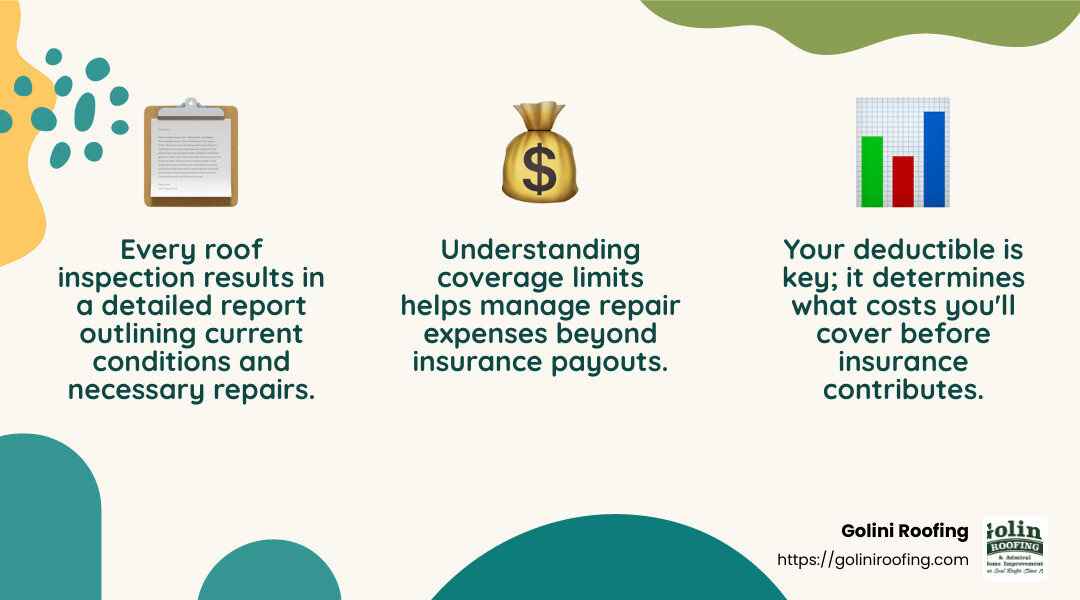
After a roof inspection, you will receive a detailed report. This document is essential—it outlines the roof’s current condition, any damage found, and recommended repairs. It’s like a health check-up for your roof, providing a snapshot that both you and your insurance company will use to make decisions.
Insurance Adjuster
Once the inspection is complete, an insurance adjuster steps in. This person evaluates the inspection report to determine if the damage meets your policy’s criteria for coverage. They play a crucial role in deciding how much of the repair or replacement costs your insurance will cover.
Damage Assessment
The damage assessment is a vital part of the process. It involves examining the extent of the damage and estimating repair costs. For instance, missing shingles, rusted flashing, or sagging areas are evaluated to see if they qualify for coverage. The more detailed the inspection report, the easier it is for the adjuster to make an informed decision.
Repair Costs and Deductible
It’s important to know that insurance doesn’t always cover all repair costs. You have to pay your deductible first. For example, if your deductible is $10,000 and repairs cost $12,000, you’ll pay the first $10,000, and insurance might cover the remaining $2,000. Understanding this can help you decide whether to file a claim or pay out of pocket.
Coverage Limits
Every insurance policy has coverage limits—maximum amounts the insurer will pay for a claim. If your roof damage exceeds these limits, you’ll need to cover the extra costs yourself. Reviewing your policy limits before an inspection can prevent surprises later.
By knowing what to expect during a roof inspection for insurance, you can better prepare for discussions with your insurance company. This knowledge ensures you make informed decisions about your roof’s maintenance and potential claims.
Next, we’ll address frequently asked questions about roof inspections for insurance, helping you further understand this important process.
Frequently Asked Questions about Roof Inspections for Insurance
What makes a roof uninsurable?
A roof can become uninsurable if it shows signs of neglect or severe damage. Wear and tear is a common reason, as roofs naturally degrade over time. Missing shingles, leaks, sagging, and rot are red flags. Insurance companies see these as risks because they can lead to more serious problems like water damage.
If your roof is over 20 years old, insurers might consider it uninsurable or offer limited coverage. This is because older roofs are more likely to have unforeseen issues that require costly repairs.
Why do insurance companies ask how old your roof is?
The age of your roof is a big factor in determining your home insurance rate. Older roofs are more prone to damage, which increases the likelihood of a claim. Insurers want to know the age to assess risk accurately.
Knowing the roof’s age helps insurance companies decide if an inspection requirement is necessary. This ensures the roof is in good condition and meets their standards. It also helps them anticipate potential problems, like leaks or structural issues, which can lead to expensive claims later on.
Can an insurance company make you put on a new roof?
In some cases, yes. If your roof is in poor condition, an insurance company might require you to replace it to maintain coverage. This is part of their effort to minimize risk and avoid paying for preventable damage.
Insurance mandates like this are often tied to home maintenance requirements in your policy. If the insurer believes that a new roof is necessary to protect the home from future damage, they may insist on it as a condition for renewal.
Your repair decisions can also be influenced by these mandates. While it might seem like a hassle, replacing an old or damaged roof can save you money in the long run by preventing bigger issues and keeping your insurance coverage intact.
Conclusion
Choosing the right roofing contractor is crucial, especially when it comes to something as significant as a roof inspection for insurance. At Golini Roofing, based in Wakefield, MA, we bring over 35 years of experience to every project. Our commitment to quality and customer satisfaction sets us apart in the roofing industry.
We specialize in both residential and commercial roofing services across Massachusetts. What makes us unique is our meticulous hand-nailing of each shingle. This method ensures that every roof we work on is not only durable but also crafted with precision. Our dedication to exceptional craftsmanship means you can trust us to deliver a roof that stands the test of time.
Customer satisfaction is at the heart of what we do. We understand that your home is one of your most valuable assets, and we treat it with the utmost care. Our team goes above and beyond to ensure minimal disruption to your daily life during the roofing process.
If you’re in need of a roof inspection or any other roofing services, don’t hesitate to reach out. Contact Golini Roofing for a comprehensive assessment and experience the peace of mind that comes with a top-quality roof. Your home deserves nothing less.
