

Why Missing Shingles Are More Than Just an Eyesore
How to fix missing shingles on roof is a critical skill every homeowner should understand. Here’s the quick answer:
Basic Shingle Replacement Steps:
- Loosen surrounding shingles with a flat pry bar
- Remove old nails securing the damaged shingle
- Slide out the damaged shingle carefully
- Position the new shingle and align with existing rows
- Nail down the replacement with galvanized roofing nails
- Seal edges with roofing cement for waterproofing
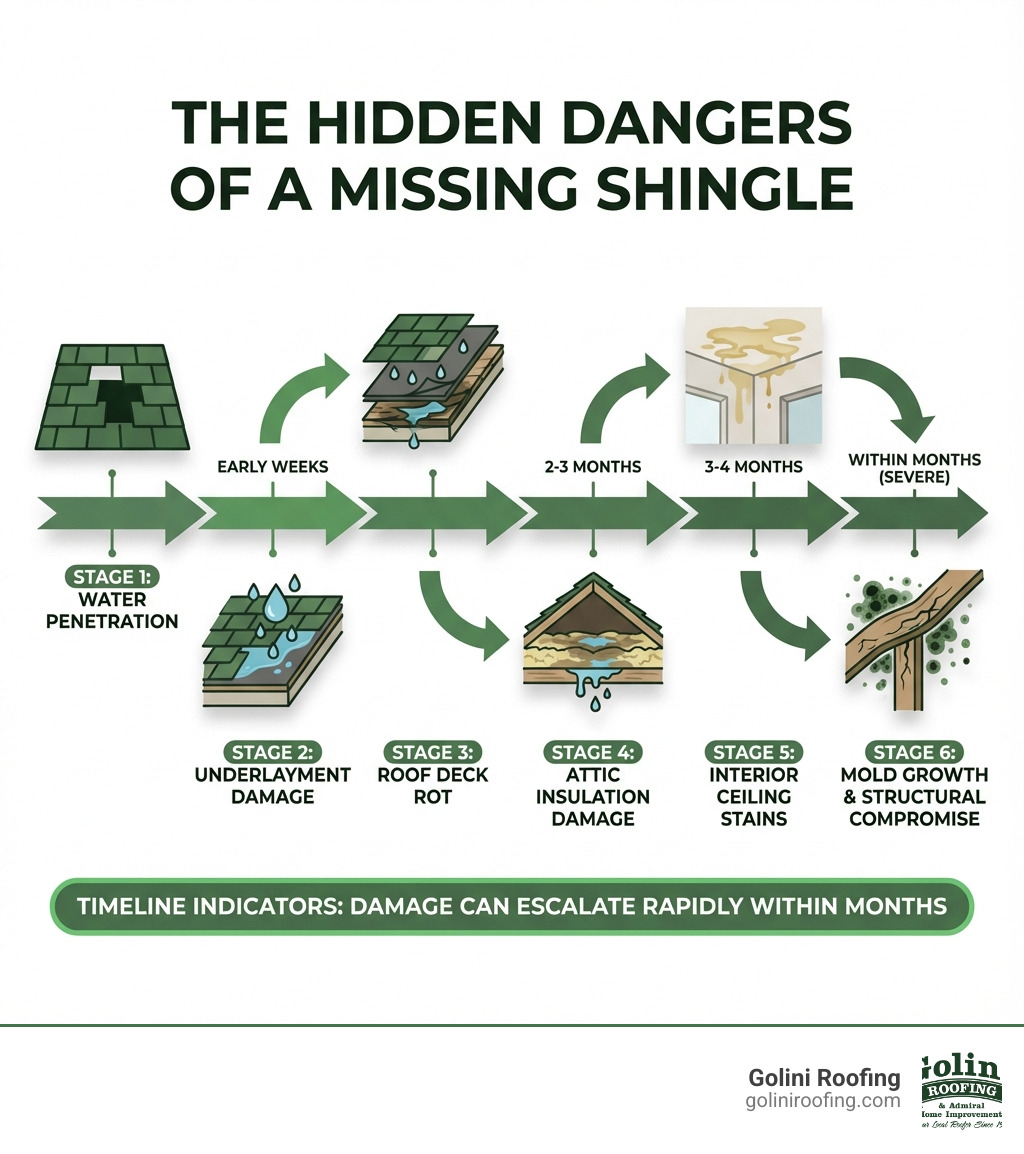
Missing shingles on your roof are like missing pieces in a puzzle—they’re not just unsightly but can lead to serious problems if ignored. That gap in your roof’s armor exposes your home to water infiltration, which can cause rot, mold growth, and structural damage that costs thousands to repair. Your shingles are your home’s first line of defense against harsh New England weather, and even one missing shingle compromises that protection.
The good news? Many homeowners can successfully replace a few missing shingles themselves with the right tools and guidance. However, knowing when to tackle the job yourself versus when to call in professionals is just as important as knowing how to do the repair.
I’m Jack Golini, and I’ve been repairing and replacing roofs throughout the Wakefield, MA area since 1982. Over 35 years of experience has taught me exactly how to fix missing shingles on roof systems of all types, and I’ve seen what happens when minor damage gets ignored. Let me walk you through everything you need to know to protect your home.
Why Are My Shingles Missing and What Are the Risks?
Spotting a missing shingle can feel like a punch to the gut, but understanding why it happened and what it means for your home is the first step toward a solution. We often see missing shingles as a direct result of our challenging New England climate, but other factors play a role too.
Signs of Missing Shingles
Before we dive into how to fix missing shingles on roof, let’s talk about how to spot them. Sometimes, the signs are obvious, but other times, they’re more subtle:
- Visible Gaps: The most straightforward sign is simply seeing an empty space where a shingle used to be. From the ground, this might look like a dark patch on your roof.
- Mismatched Color Patches: If previous repairs used shingles that didn’t perfectly match your existing ones, you might notice areas that stand out. This can indicate a past shingle loss, even if the area is now covered.
- Shingle Granules in Gutters: Granules are the small, sand-like particles on asphalt shingles that protect them from UV rays and weathering. Finding these granules in your gutters or downspouts is a tell-tale sign that your shingles are deteriorating and may soon go missing. It’s like your roof is shedding its protective skin!
- Water Stains on Ceilings: This is a more serious sign, indicating that water has already infiltrated your home. Look for discoloration, damp spots, or peeling paint on your attic ceiling or interior walls. These stains are a clear cry for help from your roof.
Common Causes of Missing Shingles
In our experience serving Massachusetts homeowners, several culprits are usually behind missing shingles:
- High Winds: This is perhaps the most common cause in our region. New England weather is notorious for its severe storms, from Nor’easters and blizzards to hurricanes. High winds can lift, curl, or completely tear off shingles, leaving parts of your roof exposed. Shingles are designed to resist wind uplift, but extreme gusts can still overwhelm even the strongest bonds.
- New England weather patterns: Our local climate, with its cycles of freezing and thawing, heavy snow, and torrential rains, puts immense stress on roofing materials. These constant fluctuations accelerate wear and tear, making shingles more vulnerable to detachment.
- Old Age: Asphalt shingles typically last 20–30 years. As they age, they become brittle, lose their flexibility, and the adhesive strips designed to seal them together weaken. Older shingles are simply more prone to cracking, curling, and eventually blowing off in a storm.
- Improper Installation: Even the highest quality shingles can fail prematurely if not installed correctly. Issues like improper nailing (too few nails, nails driven at the wrong angle, or overdriven fasteners) can prevent shingles from sealing properly or holding up against wind.
- Physical Damage: Falling branches, flying debris during a storm, or even animals can physically damage and dislodge shingles.
Consequences of Neglect
Ignoring a missing shingle is like ignoring a small crack in a dam—it will eventually lead to bigger problems. The statistics back this up:
- Water Infiltration: This is the most immediate and dangerous consequence. Exposed areas allow rain and melting snow to seep into your roof deck, attic, and eventually your home’s interior.
- Structural Rot: Persistent moisture leads to wood rot in your roof deck, rafters, and even your home’s framing. This compromises the structural integrity of your house, potentially leading to costly and extensive repairs.
- Higher Energy Bills: Missing shingles compromise your roof’s insulation. This means your heating or cooling system has to work harder to maintain a comfortable indoor temperature, resulting in noticeably higher energy bills.
- Negative health effects from mold: Water infiltration creates damp conditions ideal for mold and mildew growth. Mold can spread rapidly through your attic and walls, not only damaging your home’s structure but also causing negative health effects for occupants, including cough, skin irritation, wheezing, and respiratory issues.
Identifying Shingle Damage from the Ground
We always prioritize safety, and when it comes to roof inspections, that often means starting from the ground. A good pair of binoculars can be your best friend for a preliminary check.
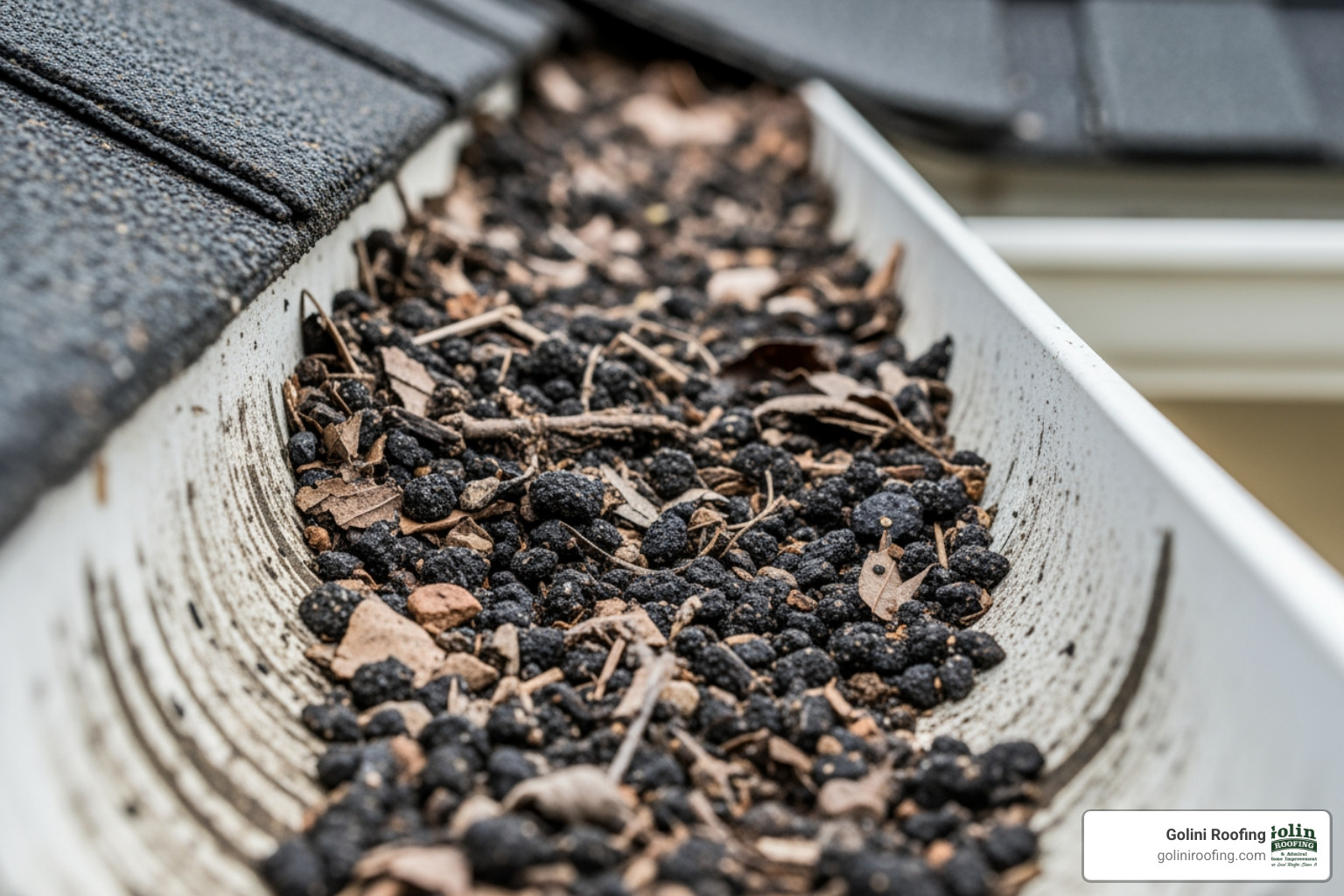
Here’s what to look for without setting foot on the roof:
- Shingle Granules in Gutters: As mentioned, a build-up of shingle granules in your gutters is a strong indicator that your roof’s protective layer is deteriorating.
- Curling or Cracked Shingles: Look for shingles that are curling upwards at the edges or lying flat but have visible cracks. These are signs of aging and wear, and they’re precursors to shingles going missing entirely.
- Buckling Shingles: This occurs when shingles appear to be wavy or raised in certain areas. It can be caused by moisture in the roof deck, improper installation, or issues with the underlayment.
- Sagging Roof Areas: A sag in your roofline is a serious sign of structural damage or significant water infiltration. This is not a DIY fix and requires immediate professional assessment.
- Checking After Major Storms: After any significant weather event in Massachusetts, it’s a good practice to walk around your home and inspect your roof from the ground. Even if you don’t see anything obviously missing, a professional inspection might reveal hidden damage.
When to Call a Professional vs. DIY Repair
We understand the appeal of a DIY project, especially for minor repairs. However, knowing your limits is crucial when it comes to roof work. Here’s a quick comparison to help you decide if you should tackle how to fix missing shingles on roof yourself or call us:
| Feature | DIY Repair | Professional Repair |
|---|---|---|
| Safety | High risk (falls, improper equipment, working at heights). | Low risk (trained professionals with safety gear and experience). |
| Cost | Materials only, potentially lower upfront cost. | Materials + labor, typically higher upfront. However, prevents future costly damage from improper repairs. |
| Time | Can be quicker for 1-2 shingles, but learning curve for proper technique. | Scheduling required, but efficient and thorough execution. |
| Quality | Varies depending on skill and experience. Risk of improper installation, leading to future problems. | Consistent, high-quality workmanship, often backed by warranties. We carefully hand-nail each shingle, ensuring superior durability and adherence to manufacturer specifications, which is a hallmark of our 35+ years of experience. |
| Warranty | None for DIY work. May void existing roof warranty. | Often includes workmanship warranties, preserving manufacturer’s material warranty. |
You should definitely consider calling us if:
- Widespread Damage: If you have more than a few missing shingles, or if the damage is spread across different areas of your roof. A repair is unlikely to solve existing issues, and even in the best-case scenario simply buys time before a roof replacement is necessary.
- Steep Roof Pitch: If your roof is very steep, working on it can be extremely dangerous without specialized equipment and training.
- Signs of Structural Sagging: Any visible sag in your roofline is a red flag that indicates a serious underlying issue.
- If You’re Uncomfortable with Heights: Your safety is paramount. If you’re not confident or comfortable working on a ladder and roof, it’s always best to leave it to the experts.
- Age of the Roof: If your roof is nearing the end of its lifespan (typically 20-30 years for asphalt shingles), a spot repair might only be a temporary band-aid. We can assess if a full replacement is a more cost-effective long-term solution.
For any significant concerns or if you prefer the peace of mind that comes with professional expertise, please learn more about professional roof repairs.
How to Fix Missing Shingles on Roof: A Step-by-Step Guide
For those minor, isolated missing shingles—typically 1-3 in an easily accessible area—a DIY repair can be a manageable task. But before you even think about climbing a ladder, remember: safety first!
Safety First
Working on a roof can be dangerous. We can’t stress enough the importance of these precautions:
- Work on a Warm, Dry Day: Shingles are more pliable and less prone to cracking on warm days. Avoid working in extreme heat, high winds, or wet conditions. The best time is often a warm, clear day when shingles are flexible but not too hot to handle.
- Ladder Safety: Always use a sturdy extension ladder placed on firm, level ground. Extend the ladder at least three feet above the edge of the roof and secure its base and top to prevent slipping. Have someone hold the ladder for you.
- Non-Slip Footwear: Wear shoes with good grip to prevent slips and falls.
- Safety Harness: For anything more than a very low-slope, easily accessible roof, a safety harness attached to a secure anchor point is highly recommended. Never work alone on a roof.
Tools and Materials You’ll Need
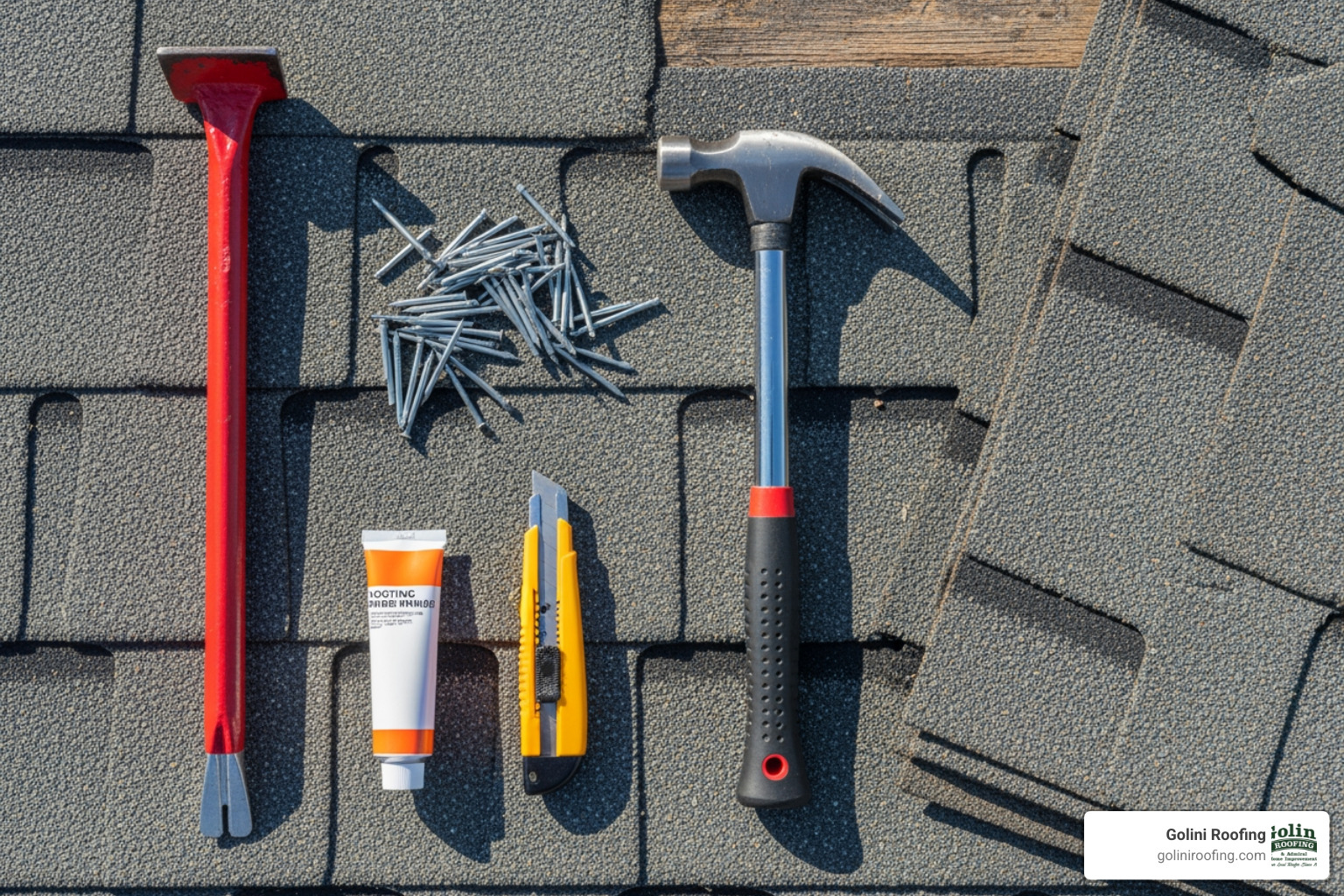
Gathering all your supplies before you start will make the job much smoother. Here’s what you’ll need for how to fix missing shingles on roof:
- Replacement Shingles (matching color and style): This is crucial for both aesthetics and proper function. If you don’t have spares from the original installation, you might need to carefully remove a shingle from an inconspicuous area (like under a vent or along a non-visible rake edge) to use as a replacement, then replace that shingle with a new one that doesn’t perfectly match.
- Galvanized Roofing Nails (1 1/4-inch): Galvanized nails resist rust, and 1 1/4-inch is a standard length for shingle application.
- Hammer: A roofing hammer is ideal, but any standard hammer will work.
- Flat Pry Bar (or Shingle Removal Tool): Essential for lifting shingles and removing old nails without damaging surrounding material.
- Utility Knife: For trimming replacement shingles if needed.
- Caulking Gun: To apply roofing sealant or cement.
- Roofing Sealant/Cement: Also known as asphalt plastic roof cement, this creates a watertight seal.
- Safety Gloves and Glasses: Protect your hands from rough shingle edges and your eyes from debris.
How to Fix Missing Shingles on Roof: The Replacement Process
Once you’ve ensured safety and gathered your tools, you’re ready to learn how to fix missing shingles on roof. This process applies to standard asphalt shingles:
Step 1: Loosen the Shingles Above Carefully slide your flat pry bar under the bottom edge of the shingle directly above the missing or damaged one. Gently lift it to break the adhesive seal that holds it to the shingle below. You may need to do this for a few shingles on either side to gain enough access. If necessary, you might also need to lift the next course of shingles above that to access all the nails. Work slowly to avoid damaging surrounding shingles, especially in cooler weather when they are less flexible.
Step 2: Remove Old Nails and the Damaged Shingle With the overlying shingles lifted, you should see the nails securing the damaged shingle. Use your pry bar to carefully pull out these nails. For a completely missing shingle, you’ll be removing any remnants and the nails that held it. For a damaged shingle still in place, remove all its nails until you can slide it out. Ensure all old nails are removed to create a clean space for the new shingle.
Step 3: Slide the New Shingle into Place Take your matching replacement shingle and carefully slide it into the empty space. Ensure its bottom edge aligns perfectly with the bottom edge of the existing shingles in that course. The new shingle’s top edge should slide underneath the loosened shingle above it.
Step 4: Secure with Roofing Nails Lift the shingle above the newly placed one again. Now, nail the new shingle into place. Drive four galvanized roofing nails through the new shingle, approximately 1 inch above its cutout and about 1 inch from each side. Make sure the nails pass through the shingle and into the roof deck. Drive the nails straight and flush with the shingle surface, but don’t overdrive them, as this can damage the shingle.
Step 5: Seal the New Shingle Using your caulking gun, apply three small dabs of roofing sealant or cement under the tabs of the newly installed shingle. This helps it adhere to the shingle below, creating a watertight seal and preventing wind uplift. Gently press down on the new shingle to ensure good contact with the sealant. If you’ve lifted other shingles during the process, apply a small amount of sealant under their tabs as well to re-secure them.
For a visual guide, you can search online for videos that demonstrate how to replace shingles.
How to Fix Curled or Cracked Shingles Without Full Replacement
Sometimes, a full shingle replacement isn’t necessary. If you’re dealing with shingles that are curled or cracked but still mostly intact, you can often repair them in place.
-
Repairing Curled Shingles:
- First, ensure the area under the curled shingle is clean and free of debris.
- Apply a generous amount of roofing sealant or asphalt cement underneath the curled portion.
- Press the curled section down firmly, ensuring it makes good contact with the sealant and the shingle below.
- To help it bond, place a brick or another heavy, flat object on top of the repaired section for at least 24 hours. This will help the shingle flatten and adhere.
-
Repairing Cracked Shingles:
- Carefully lift the shingle above the cracked one to expose the full extent of the damage.
- Apply a thick bead of roofing sealant underneath the crack. Press the shingle down firmly.
- Apply a second bead of sealant on top of the crack.
- Use a putty knife to spread the sealant evenly, ensuring it fills the crack and creates a smooth, watertight surface.
- To camouflage the repair: If you have any shingle granules collected from your gutters (or from a new shingle), you can sprinkle them over the wet sealant. This helps the repair blend in with the surrounding shingle texture.
Preventing Future Shingle Loss and Extending Your Roof’s Life
At Golini Roofing, we believe prevention is key. Once you’ve mastered how to fix missing shingles on roof for minor issues, adopting proactive maintenance habits can significantly extend your roof’s lifespan and prevent future problems.
- Regular Inspections (Spring and Fall): We recommend visually inspecting your roof from the ground at least twice a year—once in the spring after winter storms, and again in the fall before winter sets in. Look for any signs of damage, loose granules, or curling shingles. After any major storm, a quick visual check is always a good idea.
- Keeping Gutters Clean: Clogged gutters prevent proper drainage, causing water to back up and sit on your roof edges. This standing water can seep under shingles, loosen them, and lead to rot. Keeping your gutters clear ensures water flows freely away from your roof and foundation. Learn more about the importance of gutter maintenance.
- Trimming Overhanging Tree Branches: Tree branches that hang over your roof can cause several problems. They can scrape against shingles in the wind, dislodging granules or even tearing shingles. Falling leaves and debris can accumulate on your roof, trapping moisture. Plus, falling branches during storms are a major cause of shingle damage. Keep branches trimmed back to at least 6-10 feet from your roofline.
- Ensuring Proper Attic Ventilation: Good attic ventilation is crucial for a healthy roof. It helps regulate attic temperature and moisture levels. Poor ventilation can lead to heat buildup in summer (baking shingles from below) and moisture accumulation in winter (leading to mold and wood rot). Both scenarios can shorten shingle life.
- How to prevent ice dams in winter: In our Massachusetts climate, ice dams are a significant threat. They form when heat escapes from your home, melting snow on your roof, which then refreezes at the colder eaves. This ice buildup can force water under your shingles, leading to leaks, rot, and even detached gutters. Proper attic insulation and ventilation are key to preventing ice dams.
Frequently Asked Questions about Fixing Shingles
We get a lot of questions about roof repairs, so let’s address some common ones related to how to fix missing shingles on roof.
How many missing shingles is too many for a DIY repair?
Generally, if you have just one to three missing shingles in an easily accessible area, and you feel comfortable and safe on a ladder, a DIY repair is feasible. However, if you see large patches of shingles missing, widespread damage across multiple sections of your roof, or if your roof is over 20 years old, it’s almost always best to call a professional for a comprehensive inspection. Widespread damage often indicates underlying issues or an aging roof that requires more than a simple patch.
Will my homeowner’s insurance cover missing shingles?
Homeowner’s insurance typically covers damage from specific, sudden, and accidental events, often referred to as “covered perils.” This usually includes damage caused by windstorms, hail, or falling objects. However, insurance policies generally do not cover damage resulting from general wear and tear, age, or lack of maintenance. If your shingles went missing due to a recent storm, document the damage with photos and contact your insurance agent promptly. It’s always crucial to review your specific policy to understand what is covered.
Can I just put roofing cement over the empty spot?
No, simply applying roofing cement over an empty spot where a shingle once was is not a proper or lasting repair. Roofing cement is a sealant, designed to augment the waterproofing of shingles and fill small gaps, not to serve as a structural replacement for a missing shingle. An exposed area needs the protective layers of a shingle to properly shed water. A blob of cement will eventually crack, dry out, and fail, leaving your roof just as vulnerable—if not more so—to leaks and further damage. It’s a temporary, ineffective fix that doesn’t restore your roof’s integrity.
Conclusion: Protect Your Investment with a Healthy Roof
Understanding how to fix missing shingles on roof is a valuable skill for any homeowner. As we’ve discussed, prompt repair is crucial to prevent minor issues from escalating into costly structural damage, mold growth, and higher energy bills. While DIY is feasible for small, isolated fixes, knowing when to call in the professionals is equally important for your safety and your roof’s long-term health.
At Golini Roofing, we’ve been helping homeowners in Massachusetts keep their roofs in top condition for over 35 years. From Burlington to Woburn, our commitment to exceptional craftsmanship, including our meticulous hand-nailing of each shingle, ensures superior durability and peace of mind. We’ve seen the challenges our New England weather can pose, and we’re here to provide expert solutions that last.
Whether you’re dealing with just one missing shingle or in need of a full roof replacement, we’re here to help. For a comprehensive assessment and expert repair, please contact us for your roofing needs.