
Roofing Inspector: Top 5 Essential Benefits in 2024
A roofing inspector is essential for evaluating the health of your roof and determining necessary repairs or replacements. These professionals conduct thorough roof inspections to identify potential problems before they become costly disasters. Here’s a quick overview of why you should prioritize a roof inspection:
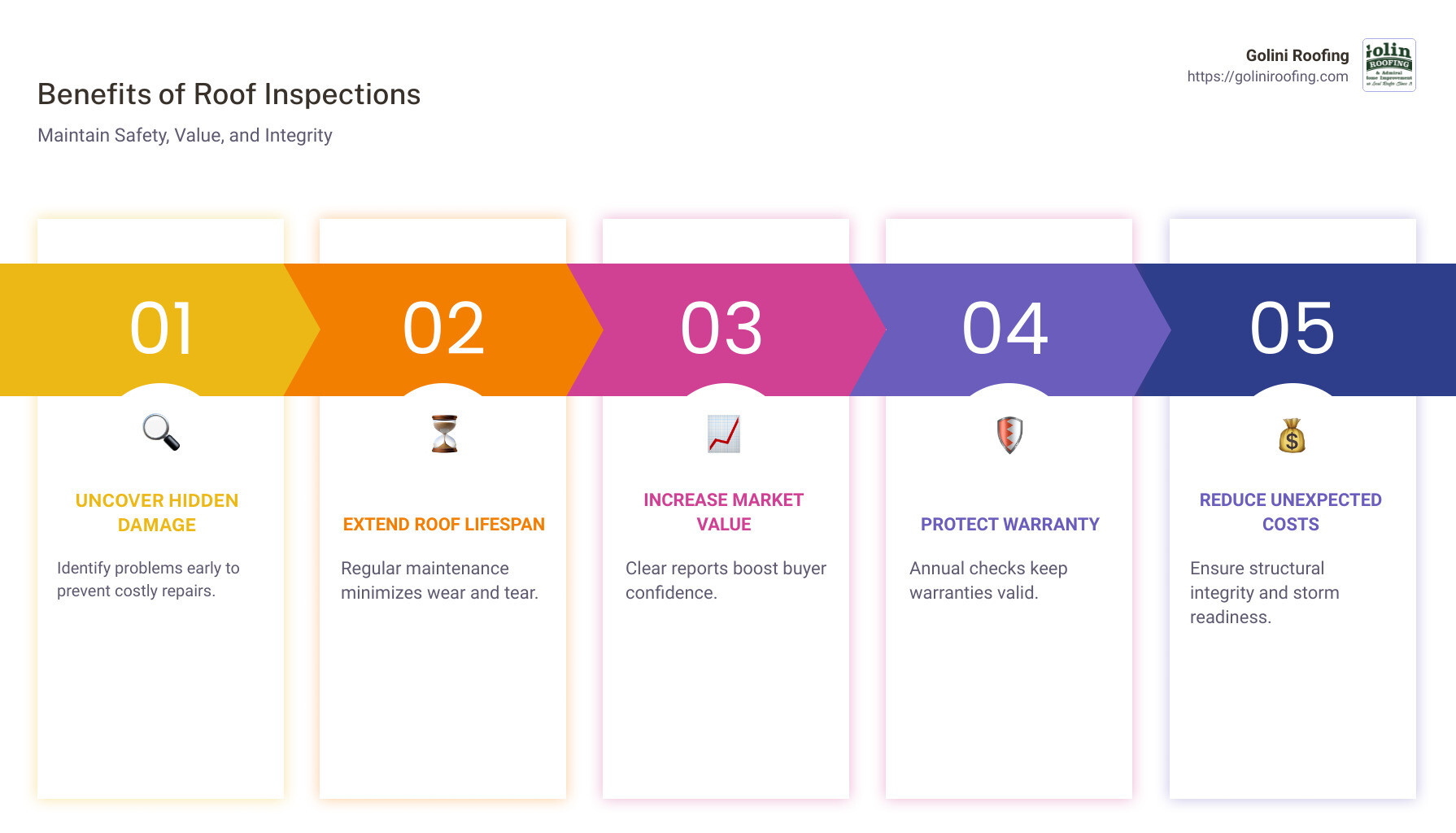
- Uncover hidden damage: Catch issues early to prevent expensive repairs.
- Extend roof lifespan: Ensure routine maintenance to avoid wear and tear.
- Increase home market value: Offer buyers clear inspection reports for confidence.
- Protect warranty: Keep it valid with regular checks.
- Reduce unexpected costs: Maintain structural integrity and storm protection.
Roof inspections are crucial to maintaining the safety and value of your home. Neglecting them can lead to severe structural issues, leaks, and even mold, which can quickly turn into costly repairs. By investing in professional inspections, homeowners can not only safeguard their investment but also enjoy peace of mind knowing their home is well protected against the elements.
I’m Jack Golini, the owner of Golini Roofing. With over 35 years in the roofing industry, my experience as a roofing inspector has equipped me with the expertise to provide exceptional service. As we move into the detailed sections, let’s dig further into the role and importance of hiring a qualified roofing inspector.
Must-know roofing inspector terms:
– certified roof inspector
– roofing certification
– free roofing inspection
What Does a Roofing Inspector Do?
A roofing inspector plays a crucial role in maintaining the health and safety of your home. They perform detailed inspections to assess the structural stability of your roof and identify any damage that might need attention. Let’s explore the different types of roof inspections and the specific tasks involved.
Types of Roof Inspections
Basic Inspection: This is the most common type of inspection. It involves a visual examination of the roof’s surface, checking for obvious signs of damage like missing shingles or visible leaks. Basic inspections are typically quick and can provide a general sense of your roof’s condition.
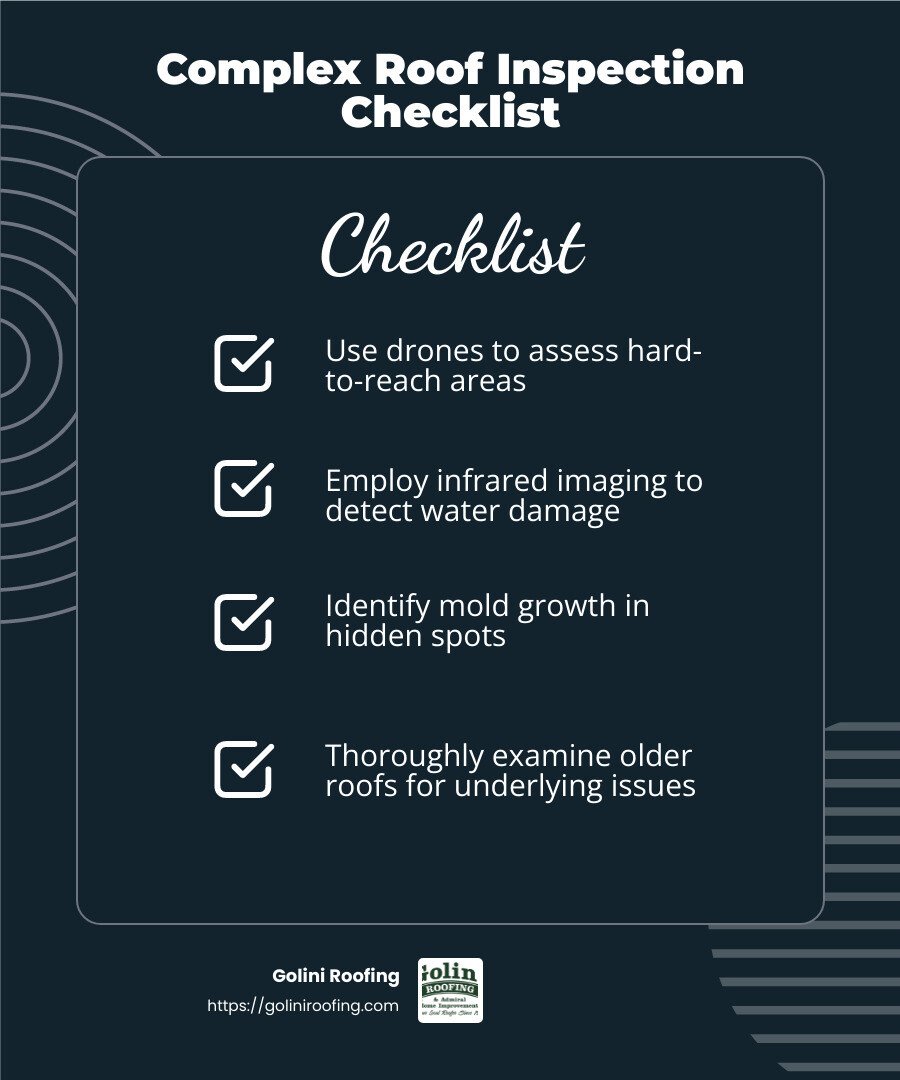
Complex Inspection: For more in-depth analysis, a complex inspection is necessary. This involves using advanced tools like drones and infrared imaging to detect hidden issues such as water damage or areas of mold growth. Complex inspections are ideal for older roofs or when you suspect underlying problems.
Expert Inspection: An expert inspection is conducted by highly trained professionals who can assess both residential and commercial roofs. This type of inspection is comprehensive, covering everything from structural integrity to the effectiveness of your roof’s ventilation system. Expert inspections are often required for insurance claims or when selling a property.
Specific Tasks Performed
During any roof inspection, several specific tasks are carried out to ensure a thorough evaluation:
- Wooden Decking and Frame Stability: Inspectors check the wooden decking beneath the shingles for signs of rot or decay. They also assess the stability of the roof’s frame to ensure it can support the weight of the roofing materials.
- Weak Spots and Sagging: Identifying weak spots is crucial to preventing future leaks or structural failures. Inspectors look for sagging areas that might indicate compromised support structures.
- Rot and Moisture Damage: Moisture is a roof’s worst enemy. Inspectors use tools to detect moisture buildup that can lead to rot, especially in the rafters and joists.
- Rafters and Joists: These are key components of your roof’s structure. Inspectors examine them for signs of damage or wear, ensuring they are in good condition to support the roof.
By conducting these tasks, a roofing inspector not only identifies current issues but also helps prevent future problems. Regular inspections can save homeowners from costly repairs and extend the life of their roof. We’ll explore the benefits of hiring a professional roofing inspector and how they can contribute to the overall value and safety of your home.
Benefits of Hiring a Roofing Inspector
Hiring a roofing inspector offers numerous benefits that go beyond just identifying problems. Let’s dig into how these experts can help you save money, make informed decisions, and ensure peace of mind.
Detecting Signs of Damage
A roofing inspector can catch problems that are invisible to the untrained eye. By using infrared imaging and drones, they can detect hidden damage like water intrusion in hard-to-reach areas. This advanced technology helps spot issues before they escalate, preventing costly repairs down the line. Water damage, if left unchecked, can lead to mold growth, which poses health risks and can be expensive to remediate.
Saving Money
Early detection of small issues can save you a significant amount of money. When minor repairs are made promptly, you avoid the need for major repairs later. For instance, fixing a small leak today can prevent a complete roof replacement tomorrow. By investing in regular inspections, you can maintain your roof’s integrity and extend its lifespan.
Making Informed Decisions
Having a detailed condition report allows you to budget for repairs and replacements effectively. Knowing the exact state of your roof helps you plan financially and prioritize safety. This foresight can prevent unexpected costs and structural failures, giving you peace of mind.
Protecting Your Warranty
Most roof warranties require annual inspections. Regular check-ups ensure that any severe problems are caught early, keeping your warranty valid. This is crucial because a voided warranty can leave you liable for expensive repairs that would otherwise be covered.
Increasing Roof Lifespan
Routine maintenance, facilitated by regular inspections, helps prevent wear and tear. By addressing minor issues early, you can significantly extend your roof’s lifespan. This proactive approach not only saves money but also ensures your roof remains in top condition for years to come.
Increasing Home’s Market Value
A well-maintained roof can boost your home’s market value. Inspection reports provide potential buyers with confidence that the roof is in good condition, leading to correct pricing and fewer negotiations over necessary repairs. This can make your home more attractive in the real estate market.
Peace of Mind
Knowing that your roof is structurally sound and ready to withstand storms provides invaluable peace of mind. Regular inspections help prevent unexpected costs and ensure that your home is protected from the elements. This assurance allows you to focus on other aspects of homeownership without worrying about potential roof failures.
In summary, hiring a roofing inspector is a wise investment that pays off in multiple ways. From cost savings and informed decision-making to warranty protection and increased market value, the benefits are clear. Let’s explore the costs associated with roof inspections and how to choose the right inspector for your needs.
How Much Does a Roof Inspection Cost?
Understanding the cost of a roof inspection is crucial when planning for home maintenance. The price can vary based on several factors, but generally, you can expect to pay between $200 and $300 for a basic visual inspection. If more advanced techniques like drones or thermal imaging are used, costs can rise to $500 or $600.
Factors Affecting Cost
1. Roof Size and Complexity: Larger or more complex roofs require more time and resources to inspect, which can increase costs.
2. Inspection Type: A basic inspection is less costly than a complex or expert inspection. Complex inspections might include detailed assessments using specialized equipment.
3. Geographic Location: Costs can vary depending on your location. Areas with a higher cost of living may see higher inspection fees.
4. Inspector Expertise: Hiring an expert inspector with specialized skills or certifications, such as NRCIA membership, might cost more but can provide a more thorough assessment.
Basic vs. Complex Inspections
A basic inspection usually involves a visual check from the ground or a ladder. It’s suitable for routine maintenance checks and identifying obvious issues.
A complex inspection involves a more detailed examination, possibly using drones or thermal imaging to identify hidden problems, such as moisture buildup or structural weaknesses. This type of inspection is ideal for older roofs or after severe weather events.
Expert Inspectors
Hiring an expert inspector can provide peace of mind. These professionals often offer more comprehensive reports and are skilled in detecting subtle issues that others might miss. Their expertise can be particularly valuable for unique or complicated roofing systems.
In conclusion, while the cost of a roof inspection might seem like an added expense, it’s a small price to pay for the potential savings in repairs and maintenance. Next, we’ll explore how to choose the right roofing inspector to ensure you get the best value for your investment.
How to Choose the Right Roofing Inspector
Choosing the right roofing inspector is essential to ensure your roof is thoroughly evaluated and maintained. Here’s how to make the best decision:
Certifications and Training
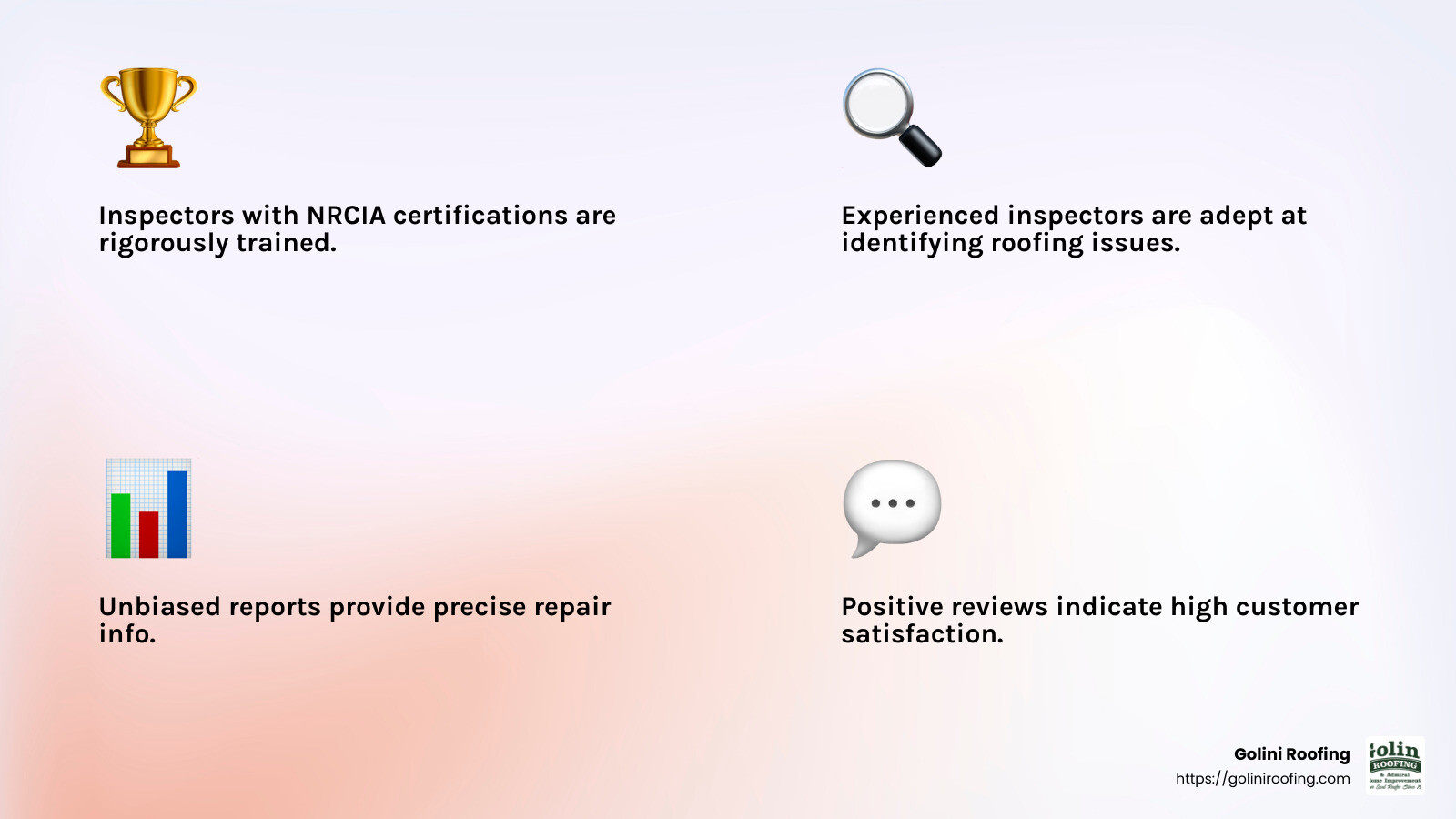
A well-qualified roofing inspector should have certifications from reputable organizations like the National Roof Certification and Inspection Association (NRCIA) or InterNACHI. These certifications indicate that the inspector has undergone rigorous training and adheres to a strict code of ethics. Such credentials ensure that the inspector is knowledgeable about the latest techniques and standards in the industry.
Experience and Expertise
Experience matters when it comes to roof inspections. Look for inspectors who have been in the business for several years and have worked with various types of roofs, be it commercial or residential. An experienced inspector will be familiar with different roofing materials and potential problem areas, making them more adept at identifying issues.
Unbiased Reports
Ensure the inspector provides unbiased reports. Independent consultants with no hidden agenda are more likely to give you accurate information. This impartiality is crucial for making informed decisions about any necessary repairs or replacements.
Customer Reviews
Online reviews and testimonials can provide insight into an inspector’s reliability and quality of service. Look for inspectors with positive ratings and feedback from previous clients. Consistent, glowing reviews often reflect a high level of customer satisfaction and professionalism.
NRCIA Membership
Choosing an inspector who is a member of the NRCIA can offer additional peace of mind. NRCIA members are known for their LeakFREE® certification, which guarantees a standardized and thorough inspection process. This membership is a mark of professional assurance, ensuring that the inspector adheres to the highest standards of quality and service.
By considering these factors, you can confidently select a roofing inspector who will provide a comprehensive evaluation of your roof, helping you maintain its integrity and extend its lifespan. Now, let’s dive into some frequently asked questions about roofing inspectors.
Frequently Asked Questions about Roofing Inspectors
How much does a roof inspection cost in the US?
The cost of a roof inspection in the US can vary significantly based on the complexity and size of the roof. A basic inspection typically ranges from $75 to $200. This is suitable for smaller, straightforward roofs without significant issues.
For a complex roof inspection, which might involve steeper or larger roofs, prices can go up to $600. These inspections often require more time and specialized equipment, like drones or infrared cameras, to detect hidden damage.
An expert inspector might charge more, especially if they use advanced tools and techniques to provide a comprehensive assessment. While this can be more expensive, it often provides a deeper understanding of the roof’s condition, helping prevent costly repairs down the line.
What is the overall goal of the roof inspection?
The primary goal of a roof inspection is problem identification. Inspectors look for signs of wear and tear, such as missing shingles, leaks, or structural issues. By identifying these problems early, homeowners can address minor issues before they escalate into major repairs.
Another critical aspect is assessing the remaining life of the roof. This helps homeowners plan for future repairs or replacements, ensuring they are not caught off guard by unexpected expenses.
Roof inspections also focus on cost-saving. By detecting potential issues early, homeowners can save money by making small repairs rather than facing significant damage later.
What does a roof inspector do in California?
In California, a roof inspector performs several specific tasks to ensure the roof’s longevity and safety. They examine the wooden decking for signs of rot or decay, which can compromise the roof’s structure. Inspectors also check the frame stability, looking for weak spots that could lead to sagging or collapse.
They focus on identifying weak spots, particularly in areas where water might pool, leading to leaks or further damage. Inspectors check for sagging sections of the roof, which might indicate structural issues.
Additionally, they assess the condition of rafters and joists, ensuring they are free from rot and can support the roof’s weight. Addressing these areas can prevent long-term damage and costly repairs, providing peace of mind for homeowners.
By understanding these aspects of roof inspections, homeowners can better appreciate the value of hiring a professional roofing inspector.
Conclusion
At Golini Roofing, we understand that making informed decisions about your roofing system is crucial. With over 35 years of experience, our commitment to unbiased consulting ensures that you receive accurate and reliable information without any hidden agendas. We focus on providing unbiased consulting to help you understand the true condition of your roof, allowing you to make the best possible decisions for your home or business.
Our priority is customer satisfaction. We take pride in our meticulous hand-nailing process, which guarantees a durable and high-quality roof. This attention to detail not only improves the lifespan of your roof but also increases your property’s value. Our team is dedicated to delivering exceptional craftsmanship, ensuring that each project meets and exceeds your expectations.
Choosing Golini Roofing means partnering with a team that values transparency and integrity. We provide comprehensive roof inspections that help you identify potential issues early, saving you money on future repairs. Our goal is to empower you with the knowledge needed to maintain a safe and secure roofing system.
For more information on how we can assist with your roofing needs, visit our roofing services page. Let us help you make informed decisions and experience the Golini Roofing difference today.
