
More Than Just a Roof Over Your Head
Residential roofing serves a very specific purpose: protecting your home, boosting curb appeal, and supporting the overall comfort and efficiency of your living space. While many people also hear about roofing options for larger buildings, the way a home roof is designed, built, and maintained is unique.
Key Residential Roofing Features:
| Feature | Residential Roofing |
|---|---|
| Slope | Steep pitch (for water runoff and aesthetics) |
| Materials | Asphalt shingles, tiles, wood shakes, slate |
| Lifespan | 20-50 years (varies by material) |
| Installation | Smaller crews, faster timeline, hand-nailing |
| Maintenance | Seasonal inspections and upkeep |
| Primary Focus | Curb appeal and weather protection |
Residential roofs prioritize aesthetics and steep slopes to shed water quickly. They typically use materials like asphalt shingles that complement a home’s architectural style. The average homeowner might spend anywhere from $5,000 to $30,000+ on a roof replacement, depending on size and materials.
Because your roof plays such a critical role in keeping your family safe and dry, regular inspections, quality materials, and skilled installation are essential. Elements like proper flashing, attic ventilation, and well-functioning gutters all work together to move water away from your roof and foundation and help prevent leaks and ice dams.
I’m Jack Golini, and since 1982, I’ve specialized in residential roofing projects across the North Shore area, understanding how each home requires a tailored approach, the right materials, and careful craftsmanship. Whether you’re looking to replace an aging roof, address a leak, or improve your home’s curb appeal and protection, knowing the basics of residential roofing helps you make informed decisions and choose the right roofing professional for your needs.
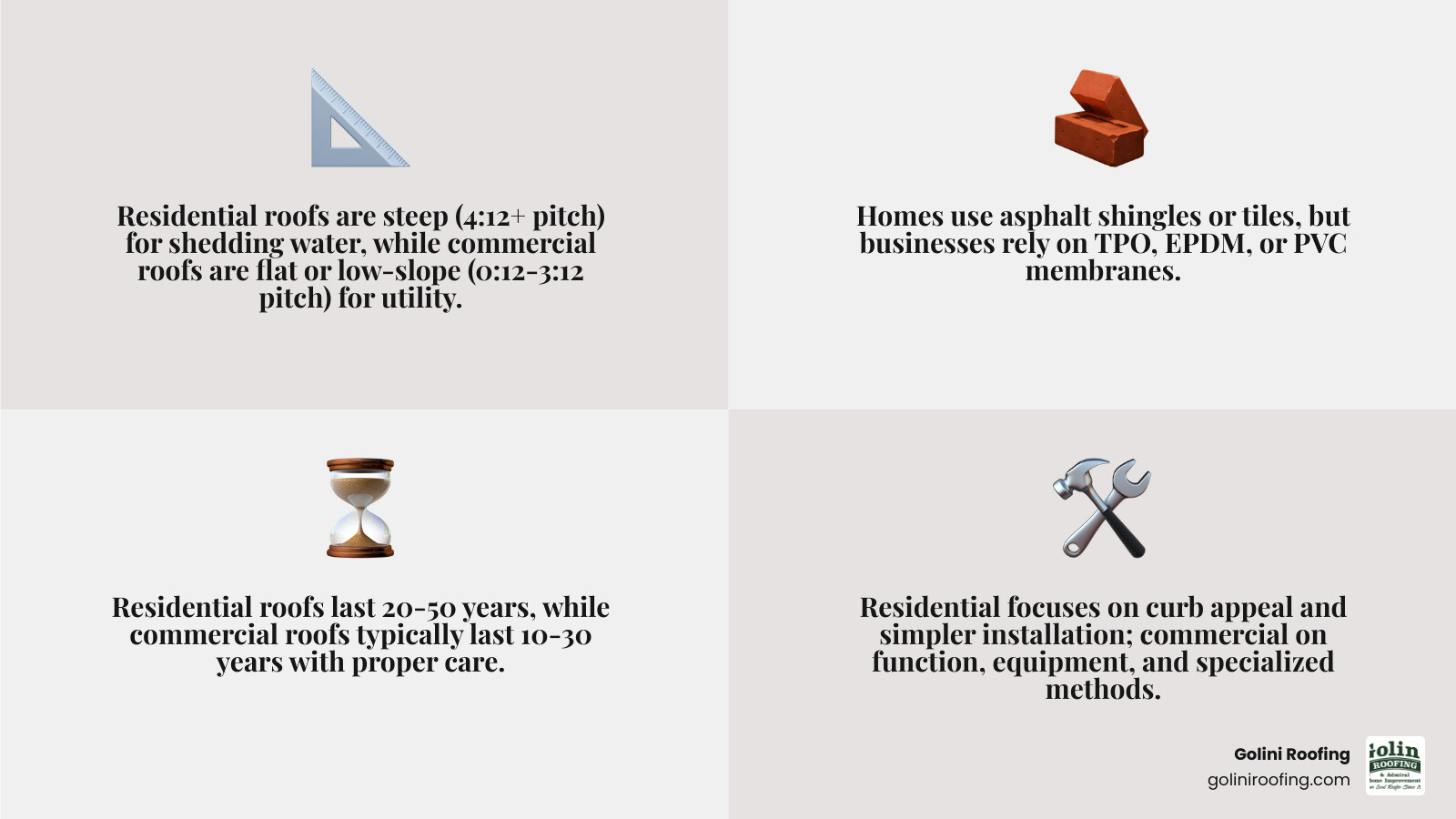
Simple guide to residential roofing:
- Residential roof replacement and repair
- Roof leak detection and shingle replacement
- Gutter installation, repair, and cleaning to support roof performance
Design and Structure: The Tale of Two Slopes
When we talk about residential roofing, one of the most striking features you’ll notice immediately is the roof’s slope. It’s not just about aesthetics; the angle of a roof fundamentally dictates its design, functionality, and how it sheds water and snow.
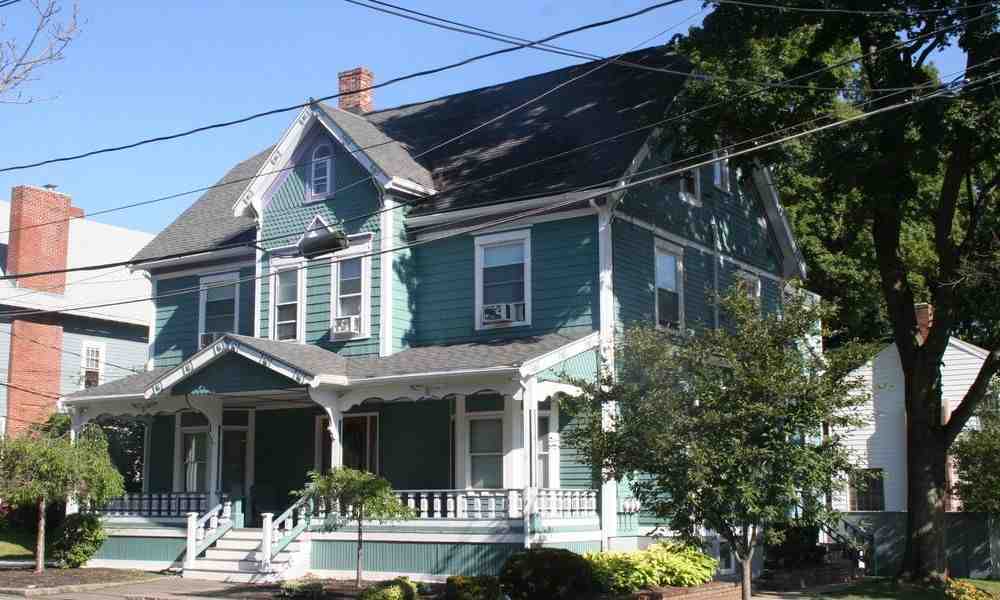
The Steep Pitch of Residential Roofs
Residential roofs are typically known for their distinctive, often steep, pitches. Think of the classic gable, hip, or valley designs you see on homes across Massachusetts, from Beverly to Wakefield. These higher slopes aren’t just for curb appeal; they are incredibly functional. A steeper pitch allows gravity to work its magic, efficiently shedding water, snow, and debris, which helps prevent accumulation and potential leaks. This design also creates an attic space, crucial for ventilation and insulation, which we’ll discuss later.
The architectural lines created by these slopes contribute significantly to a home’s overall aesthetic. Homeowners often choose roofing materials and styles, such as architectural shingles, that improve this visual appeal. We take pride in ensuring that your residential roof not only performs flawlessly but also complements your home’s unique character. Properly sized and installed gutters are also an important part of the overall roof design, helping guide water safely away from your siding and foundation.
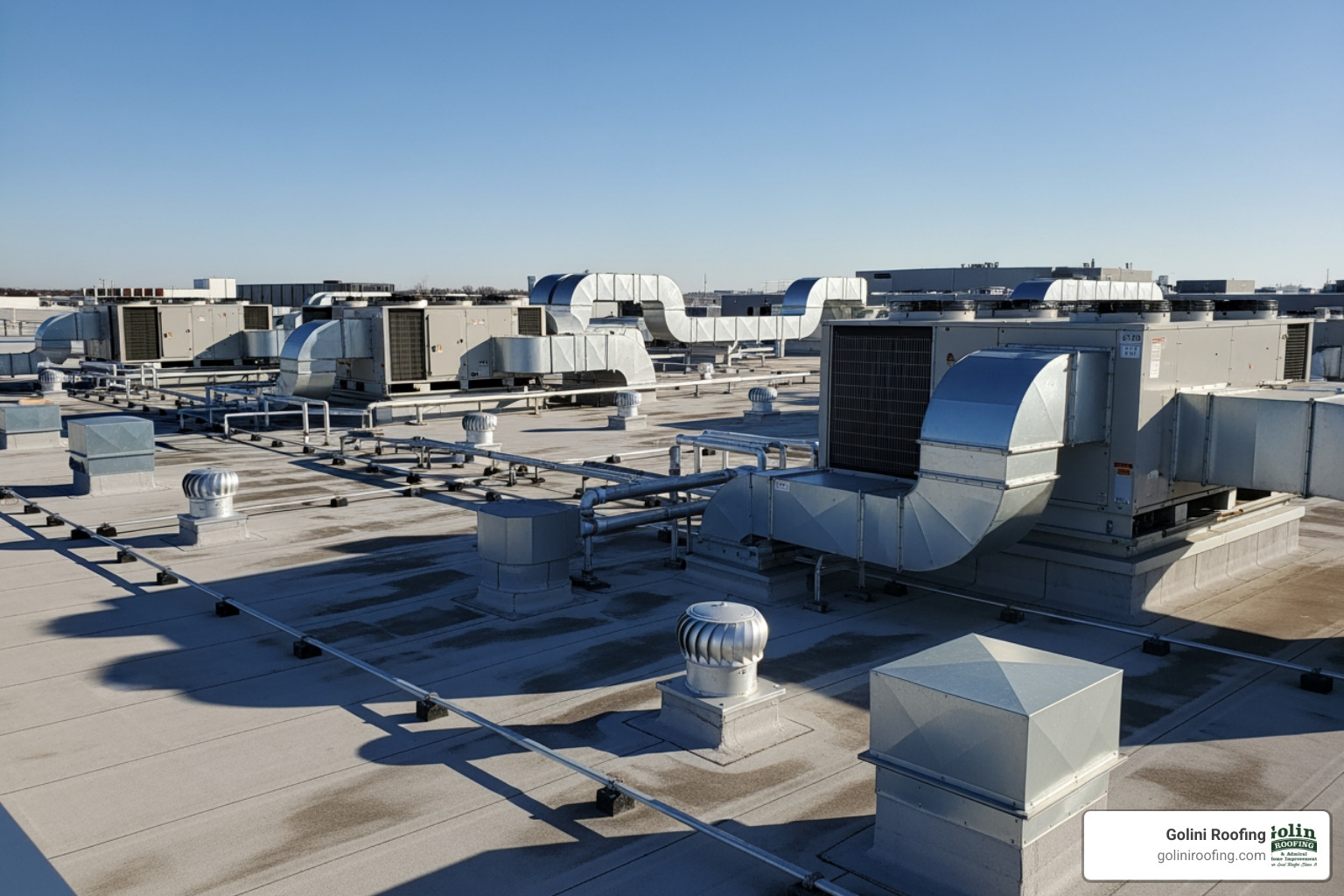
While larger buildings often rely on different roof designs, understanding how steep-slope residential roofs work helps homeowners appreciate why proper pitch, drainage, and gutter systems are so important for keeping a home dry and structurally sound.
Materials and Installation: A Different Set of Tools
The journey from design to a finished roof involves a careful selection of materials and a specialized installation process. For residential roofing, these choices are focused on protecting your home, enhancing appearance, and working together with your gutters and ventilation.
Common Materials for Residential Roofing
For homes in areas like Boxford, Gloucester, and Ipswich, asphalt shingles remain the overwhelming favorite, holding an immense share of the U.S. steep-slope roofing market. They are popular due to their affordability, versatility, and ease of installation. Our commitment to quality means we carefully hand-nail each shingle, ensuring a durable and long-lasting finish that stands up to New England weather.
Beyond asphalt, residential options include neat slate tiles, which are virtually indestructible and can last for centuries, or natural wood shakes, offering a rustic charm. These materials vary significantly in durability and lifespan, with residential roofs generally lasting anywhere from 20 to 50 years. Some premium materials can last even longer, though we typically focus on traditional residential products best suited to local homes.
Proper roof installation also includes underlayments, ice and water barriers, flashing, and correctly integrated gutters and downspouts. Together, these components move water efficiently off the roof and away from the house, helping to prevent leaks, ice dams, and foundation problems.
While other local roofing companies may use a variety of techniques and materials, our focus remains on time-tested residential roofing systems that provide strong protection and reliable performance for Massachusetts homeowners.
Maintenance, Lifespan, and Cost: A Long-Term Investment
Investing in residential roofing is a long-term commitment, and its true value is realized through proper maintenance, expected lifespan, and careful cost considerations.
Maintenance Needs for Residential Roofing
Residential roofs typically require consistent but manageable maintenance. Homeowners in places like North Reading, Reading, and Stoneham might schedule seasonal maintenance, focusing on gutter cleaning, checking for missing shingles, and ensuring proper attic ventilation. Minor repairs, like replacing a few shingles, can often be addressed quickly.
Gutters and downspouts play a major role in roof performance. Keeping them clear of leaves and debris prevents water from backing up under shingles or overflowing near your foundation. Regularly inspecting the areas around chimneys, skylights, and roof edges also helps catch small issues before they become larger problems.
Comparing Cost and Longevity
The lifespan of a residential roof can vary widely, from 20 to 50 years depending on the material and maintenance. Asphalt shingles, a common choice, fall within this range. Even a high-quality roof will age faster if gutters are clogged, attic ventilation is poor, or small leaks are left unaddressed, so routine care is key.
Residential roof replacement costs can average between $5,000 and $30,000+ depending on size, pitch, and material choice. It’s important to remember these are average costs based on internet data, and actual costs can vary significantly based on project specifics. Regardless of the type of home, a roof is a significant investment, and we offer free estimates to help you plan. Pairing a new roof with properly installed gutters often provides the best long-term protection and value.
Regulations, Efficiency, and Expertise: The Professional Difference
The regulatory landscape, pursuit of energy efficiency, and required expertise for residential roofing projects reflect the specific demands of protecting a home.
Energy Efficiency and Environmental Impact
For residential properties, energy efficiency often revolves around proper attic ventilation and adequate insulation. These elements are crucial for maintaining comfortable indoor temperatures, preventing moisture buildup, and reducing heating and cooling costs. We understand the importance of a well-ventilated and insulated attic for the longevity of your roof and the comfort of your home in Burlington, Lynnfield, and Wilmington.
Gutters also play a part in protecting energy efficiency measures inside the home. By directing water away from walls and foundations, a good gutter system helps prevent moisture problems that can damage insulation and reduce your home’s overall performance.
Building Codes and Roofer Specialization
Residential roofing projects adhere to local building codes, which dictate everything from material standards to installation practices. Homeowner associations (HOAs) in certain communities might also impose additional rules regarding roofing materials and colors, impacting the aesthetic choices available to homeowners.
Residential roofers, like our team at Golini Roofing, are experts in steep-slope applications, familiar with the nuances of shingles, flashing, gutters, and architectural details that define home aesthetics and protection. Our meticulous hand-nailing technique, a hallmark of our craftsmanship, is perfectly suited for these residential projects. Other local roofing companies may have different methods or specialties, but selecting a contractor who focuses on residential roofing and understands local code requirements is essential for a roof that performs well and lasts.
Frequently Asked Questions about Residential Roofing
We often hear similar questions from homeowners trying to steer the complexities of residential roofing. Let’s tackle a few common ones.
How often should I have my roof inspected?
Most homes benefit from a professional roof inspection at least once a year, ideally in the spring or fall, and after any major storm. Regular inspections, combined with seasonal gutter cleaning, help identify loose or missing shingles, flashing issues, and early signs of leaks before they lead to interior damage.
Do I really need gutters if my roof has a good slope?
Yes. Even with a properly pitched residential roof, gutters are critical for directing water away from your siding, windows, doors, and foundation. Without gutters, water can pool near your home, leading to basement leaks, soil erosion, and potential structural problems. A quality roof and a well-designed gutter system work together to protect your property.
What is the biggest factor determining the cost of a new residential roof?
The biggest factors influencing the cost of a new residential roof are the size and pitch of the roof, followed by material choice and the complexity of the installation. Steeper roofs require more safety measures and labor, while architectural details like valleys, dormers, and skylights add to the work involved. Upgrading related items such as gutters, flashing, and ventilation can increase the upfront cost but often provides better long-term value and protection.
Choosing the Right Roofing Expert for Your Home
Navigating residential roofing can feel daunting, but choosing the right expert makes all the difference. Whether you own a home in Woburn or manage a multi-family property in Winchester, the unique demands of your roof require a contractor with specific knowledge and proven expertise.
At Golini Roofing, we bring over 35 years of experience to every residential project, understanding the nuances of local building codes and the specific weather challenges of Massachusetts. Our unique selling point, the meticulous hand-nailing of every shingle, ensures a level of craftsmanship and durability that sets us apart. We also understand how important properly installed gutters, downspouts, and ventilation are to the long-term performance of your roof.
We are proud to serve communities across Massachusetts, including Burlington, Lynnfield, North Reading, Reading, Stoneham, Wakefield, Wilmington, and Woburn. When you’re ready to protect your home with a roof and gutter system built to last, don’t hesitate to reach out. Contact us for a consultation and let us show you the Golini Roofing difference.
