
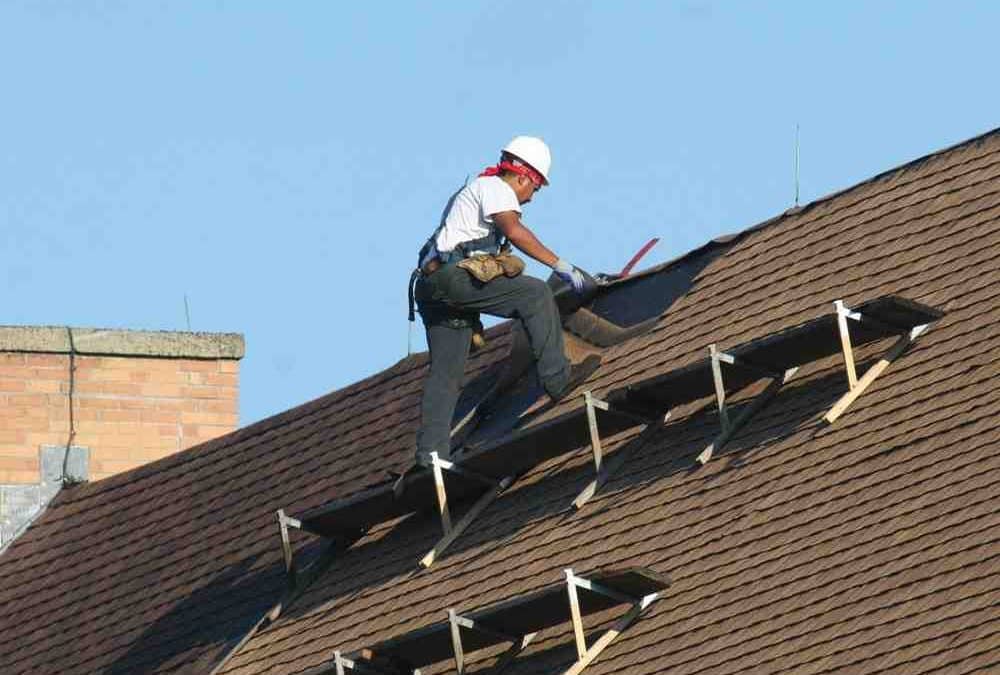
Why a Roof Inspection After Storm Matters More Than You Think
A roof inspection after storm is essential to catch hidden damage before it becomes a costly nightmare. Here’s what you need to do right away:
Immediate Post-Storm Action Steps:
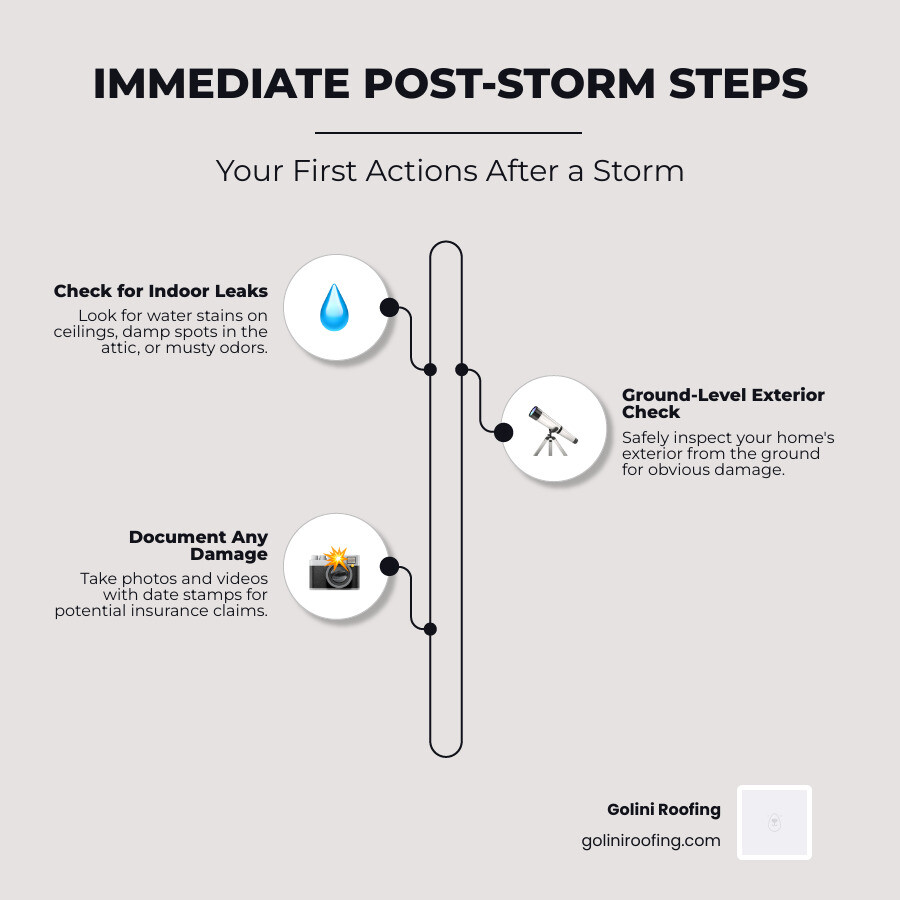
- Check indoors first – Look for water stains on ceilings, damp spots in the attic, or musty odors
- Inspect from the ground – Use binoculars to spot missing shingles, damaged flashing, or debris on your roof
- Document everything – Take photos and videos with date stamps for insurance purposes
- Schedule a professional inspection within 24-48 hours – Hidden damage often isn’t visible from ground level
After a storm, your home might look fine from the street, but what you can’t see can cause serious problems. Storm damage isn’t always obvious; hail can leave bruises that leak months later, and wind can break shingle seals without tearing them off. Water can seep into your attic through tiny, invisible cracks.
And the clock is ticking. Insurance companies have claim deadlines, and small leaks quickly grow into major issues, turning a simple repair today into a full roof replacement next year.
The good news? You don’t need to climb onto your roof to start. There are safe steps you can take from the ground to identify potential damage.
I’m Jack Golini, and I’ve been helping North Shore homeowners assess and repair storm-damaged roofs since 1982. My experience has taught me that a thorough roof inspection after storm is the single most important step in preventing long-term damage to your home.
Basic roof inspection after storm vocab:
Why a Timely Roof Inspection is Non-Negotiable
When a storm rolls through Massachusetts, the integrity of your roof is immediately at risk. It’s tempting to wait, but with your roof, urgency is key. A swift roof inspection after storm can be the difference between full insurance coverage and a denied claim, or a minor fix versus a major overhaul.
The clock starts ticking the moment a storm passes. We recommend a professional inspection within 24–48 hours to ensure immediate damage assessment. This quick action is vital because even if you don’t see a leak, any damage can escalate, compromising your home’s structural integrity.
Ignoring minor damage leads to a cascade of problems. A small crack or lifted shingle can allow water to penetrate the underlayment, leading to interior water damage, weakened structural components, and mold growth. These issues are expensive and pose health risks. Furthermore, many insurance policies require timely claims; delaying your roof inspection after storm could put your coverage at risk. As leading manufacturers emphasize, roof materials must be repaired as soon as possible after wind damage to maintain structural integrity. Addressing issues quickly helps you avoid extensive repairs. Learn more about our roof repairs.
Signs That Scream “Inspect My Roof Now!”
Your home often provides the first clues of storm damage. Here are critical indoor indicators that demand an immediate roof inspection after storm:
- Water Stains on Ceilings: Look for yellow or brown rings on upper-story ceilings. These are classic signs that water has penetrated your roof.
- Bubbling or Peeling Paint: Blistering or peeling paint on ceilings or upper walls often signals moisture accumulation from a roof leak.
- Damp Spots in the Attic: If it’s safe, check your attic for damp insulation or darkened wood. Wet rafters are a strong indicator of water intrusion.
- Musty Odors: A persistent musty smell in your attic or upper rooms can signal hidden moisture or mold growth.
- Visible Light Through the Roof Boards: If you see daylight through your attic ceiling, it’s a definitive sign of a hole in your roof.
- Sagging Roof Deck: Noticeable sagging in your attic’s roof deck indicates compromised structural integrity, likely from prolonged water damage.
These interior signs are your home’s distress signals. Ignoring them allows small problems to grow into major, costly headaches.
The Long-Term Consequences of Ignoring Damage
Delaying a roof inspection after storm or neglecting even seemingly minor damage can lead to dire long-term consequences for your home and your wallet.
- Compromised Structural Integrity: Seeping water can rot wooden support beams and compromise your home’s walls and ceilings, potentially leading to structural failure.
- Escalating Repair Costs: A small leak can grow from a minor shingle repair to a crisis requiring extensive framing repairs, mold remediation, and interior renovation.
- Reduced Property Value: A history of unresolved roof leaks and water damage will lower your home’s market value.
- Health Risks from Mold: Unseen roof leaks create breeding grounds for mold in your attic and walls, which can trigger allergies and respiratory issues.
- Future Insurance Claim Denial: If an inspector finds that damage was worsened by neglect, your future claims could be denied. Most policies require timely reporting of damage.
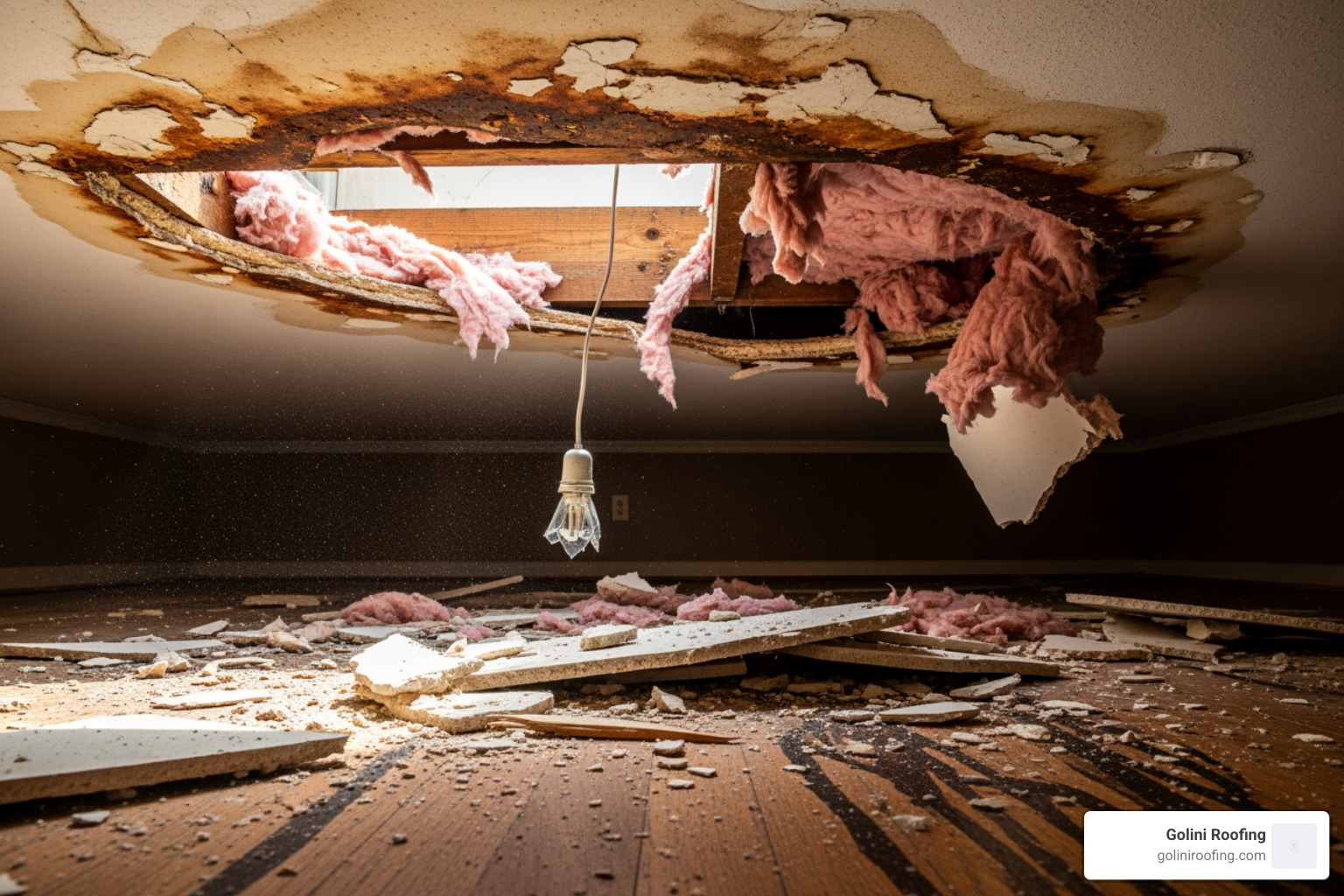
Ignoring storm damage isn’t just about cosmetic issues; it’s about safeguarding your entire home, your family’s health, and your financial investment.
A Homeowner’s Guide to Safe, Ground-Level Assessment
After a storm, your safety is the top priority. While a professional roof inspection after storm is crucial, you can take important assessment steps from the ground. Never climb onto a roof that is sagging, damaged, or wet.
Your best tool for a safe inspection is a pair of binoculars or a camera with a zoom lens, allowing you to get a closer look without leaving the ground.
Here are our essential Post-Storm Inspection Do’s and Don’ts:
- DO prioritize safety above all else. When in doubt, call a professional.
- DO walk around your home’s entire perimeter, looking for anything unusual.
- DO use binoculars or a camera zoom to inspect your roof.
- DO check your yard for fallen debris from your roof.
- DO take detailed photos and videos of any suspected damage.
- DO check gutters and downspouts for blockages or granules.
- DON’T climb on your roof, especially if it’s wet or visibly damaged.
- DON’T touch any downed power lines.
- DON’T attempt complex repairs yourself.
- DON’T fall for “storm chasers” or high-pressure sales tactics.
- DON’T assume your roof is fine just because you don’t see damage from the ground.
Exterior Checklist: Spotting Obvious Damage
Once you’ve ensured your safety, conduct a thorough visual inspection from the ground. Look for these common signs of storm damage:
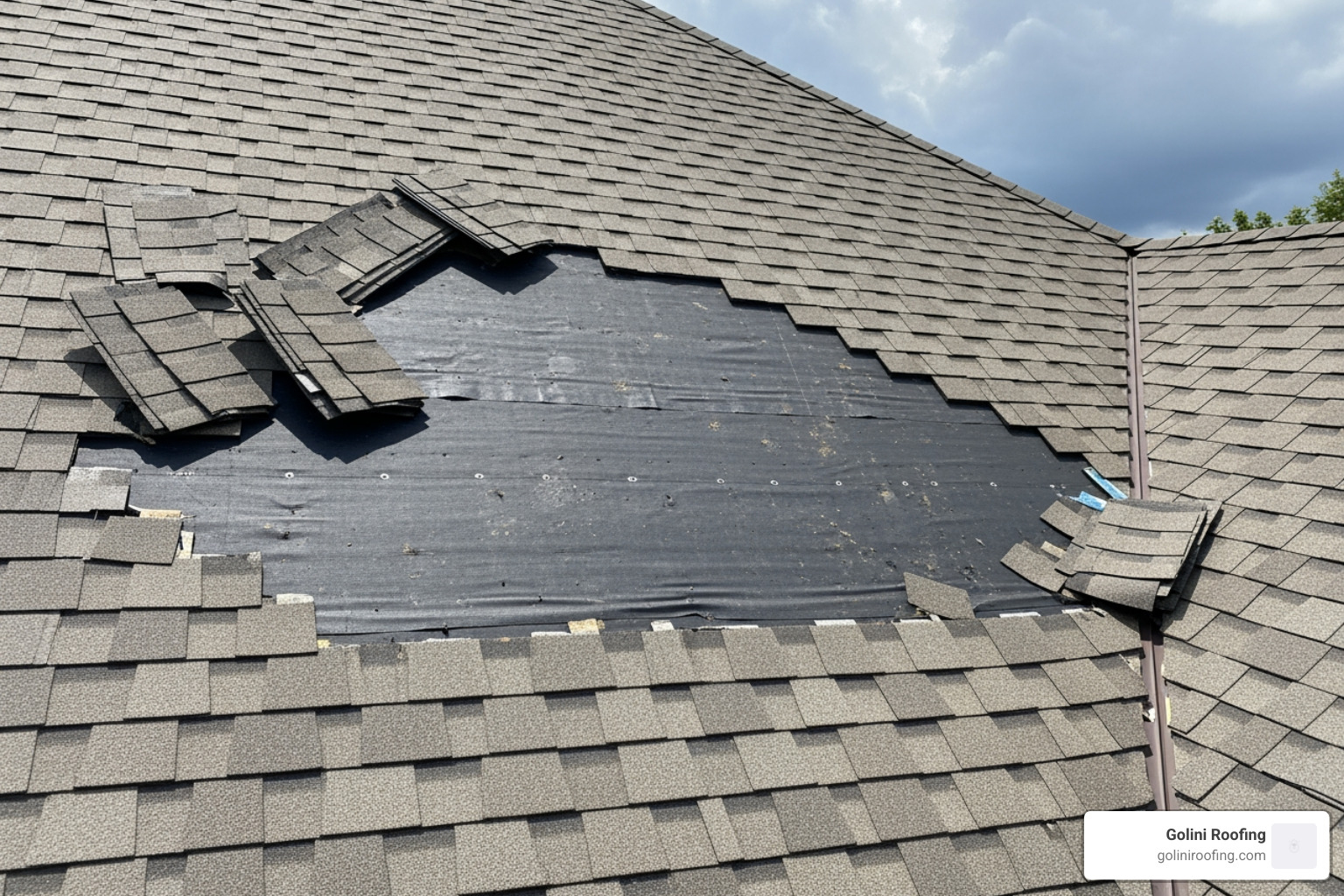
- Missing Shingles: High winds can tear off shingles, leaving the underlayment exposed. Even one missing shingle is enough to cause a leak.
- Curled or Cracked Shingles: Wind can lift and curl shingles, breaking their adhesive seals. Hail can cause cracks that compromise the shingle’s protective layer.
- Dented Gutters and Downspouts: Hail often leaves dents on soft metals like gutters, downspouts, and vent caps, which can impede proper drainage.
- Granule Loss in Gutters: Finding excessive sand-like shingle granules in your gutters indicates hail or heavy rain has caused accelerated wear, reducing your roof’s lifespan.
- Damaged Flashing Around Chimneys or Vents: High winds can bend or detach the metal flashing that seals roof joints (chimneys, vents, skylights), creating entry points for water.
- Debris on the Roof: Fallen tree branches can cause impact damage or scrape off protective granules from your shingles.
Documenting Damage for a Smooth Insurance Process
Your documentation is your most powerful tool after a storm. A swift roof inspection after storm and meticulous records can be the difference between full coverage and a denied claim. As one expert puts it, Don’t wait to inspect—document immediately.
Here’s how to create an airtight record:
- The Power of Proof: Comprehensive documentation proves the damage occurred during the recent storm, not from pre-existing wear.
- Take Photos and Videos: Use your smartphone to capture everything from various angles, including wide shots for context and close-ups of specific damage.
- Use Scale and Timestamps: For close-ups, place a coin next to the damage to show scale. Ensure your camera’s date and time stamp feature is enabled to prove when you documented the damage.
- Keep Detailed Notes: Maintain a written log with the date, time, location, and type of damage observed for each photo. Note the date of the storm. Emailing photos to yourself also creates a time-stamped record.
This organized approach will be invaluable when you file your claim and will increase the likelihood of a fair settlement.
When to Call the Pros: A Professional Roof Inspection After Storm
While your ground-level assessment is a great first step, a professional roof inspection after storm is essential because many serious problems are invisible from below.
DIY Limitations and Hidden Threats
Homeowners can spot obvious issues, but subtle damage like hail bruises or broken shingle seals often goes unnoticed by the untrained eye. This hidden damage can worsen over time, leading to denied claims if not identified promptly.
Professionals are trained to spot nuances you might miss:
- Hail Bruises: Hail leaves dark, circular bruises where protective granules are knocked off. This compromises the shingle and leads to future leaks.
- Broken Shingle Seals: Wind can lift shingles and break their watertight adhesive seal. The shingles often won’t re-seal on their own, allowing water to seep underneath.
- Micro-fractures: Hail impacts can create tiny, hairline fractures in shingles that become entry points for water over time.
- Compromised Flashing: Flashing around chimneys and vents can be subtly bent or separated, creating vulnerable spots for leaks that are hard to see.
Professional Expertise and Advanced Tools
Our team at Golini Roofing brings over 35 years of experience to every roof inspection after storm. We understand how storms affect roofs in Massachusetts and can thoroughly evaluate your roof’s structural integrity, detect hidden damage, and recommend the most cost-effective, durable solution. While we specialize in meticulous hand-nailing for installation, our inspection process uses modern techniques to document and assess all damage. A professional inspection provides peace of mind that no hidden issues will cause future problems. Learn more about our roofing services.
Navigating the Insurance Claim for a roof inspection after storm
A professional roof inspection after storm significantly strengthens your insurance claim. Your inspection report is your leverage.
- Understand Your Policy: Familiarize yourself with your homeowner’s policy, including your deductible and what types of damage are covered. Damage from old age or poor maintenance is often excluded.
- File Promptly: After documenting the damage and getting a professional inspection, contact your insurance provider immediately.
- The Adjuster’s Role: Your provider will send an adjuster to evaluate the damage for the company. You have the right to hire an independent inspector who works for you to provide an unbiased report.
- Common Mistakes to Avoid:
- Delaying: Waiting to inspect or file a claim can lead to denial and worsening damage.
- Ignoring Minor Damage: Hidden issues like granule loss can lead to major problems later.
- Poor Documentation: Without photos and notes, it’s hard to prove your case.
- Falling for “Storm Chasers”: Be wary of contractors who appear right after a storm with high-pressure tactics.
According to the Insurance Information Institute, hail-related losses in the U.S. exceeded $3.5 billion in 2022, underscoring the importance of a well-documented claim.
Avoiding Scams: How to Hire a Reputable Roofing Contractor
After a storm, “storm chasers”—out-of-town companies seeking quick profits—often appear. Their work can be shoddy, leaving you with more problems.
Here’s how to hire a reputable roofer for your roof inspection after storm:
- Be Wary of Door-to-Door Sales: Be cautious of anyone who shows up uninvited and pressures you to sign a contract. Reputable contractors don’t use aggressive tactics. As officials advise, be wary of door-to-door contractors after storms.
- Verify Credentials: Always ask for proof of state licensing and insurance (general liability and workers’ compensation).
- Choose a Local Roofer: A local company like Golini Roofing, based in Wakefield, MA, is invested in the community and accountable for the long term. We have a physical office and a reputation to uphold with our neighbors.
- Check Reviews and Get Multiple Estimates: Look at online reviews and the Better Business Bureau. Read our customer testimonials. Get at least two written estimates to compare the scope of work and materials.
- Avoid Large Upfront Payments: Never pay for the entire job before work begins. A reasonable down payment is standard.
Choosing the right partner is critical to protecting your home.
Frequently Asked Questions about Post-Storm Roof Inspections
We understand you have questions after a storm. Here are answers to common inquiries about a roof inspection after storm.
How can I tell the difference between old wear and tear and new storm damage?
A professional can tell definitively, but here are some clues:
- New Damage: Often localized to one side of the roof. It looks like sharp creases in shingles, fresh granule loss (with dark asphalt underneath), or random, circular hail impact marks.
- Old Damage: Usually uniform across the entire roof. It appears as general curling or cracking from age, blistering (manufacturing defects), or weathered areas of granule loss.
A professional assessment is vital for a successful insurance claim.
What if I don’t see any damage? Should I still get an inspection?
Yes, absolutely. Much of the most serious storm damage is hidden.
- Hidden Risks: Hail can cause micro-fractures and wind can break shingle seals without tearing them off. This damage isn’t visible from the ground but will lead to leaks over time.
- Peace of Mind: A professional roof inspection after storm confirms your home is secure and prevents small issues from becoming costly emergencies. Even new roofs can be damaged in a severe storm.
How much does a roof inspection after storm cost?
Many reputable roofing contractors, including Golini Roofing, offer free roof inspection after storm events.
- Free Inspections: Our complimentary inspections provide a thorough assessment and an honest evaluation with no upfront cost.
- No-Obligation Estimates: We provide a detailed report of any damage found and a transparent repair estimate, empowering you to make an informed decision for your property and insurance claim.
- Reputable Practices: Be wary of any contractor who charges a high fee for an initial post-storm assessment. A basic damage inspection is typically a complimentary service from trusted local companies.
Conclusion: Secure Your Home Before the Next Storm
The aftermath of a storm can be a stressful time for homeowners, but taking proactive steps for a roof inspection after storm can save you significant headaches, expenses, and stress in the long run.
Here are the key takeaways to remember:
- Act Fast: The 24-48 hour window after a storm is critical for initial assessment and scheduling a professional inspection. Timely action can prevent minor damage from escalating and ensure your insurance claim isn’t jeopardized.
- Inspect Safely: Always prioritize your safety. Conduct ground-level inspections with binoculars and never climb onto a damaged or wet roof yourself.
- Document Everything: Photos, videos, and detailed notes are your best friends for proving damage to your insurance company. The more evidence you have, the smoother your claim process will be.
- Call a Professional: DIY inspections have their limits. A professional roofing contractor has the expertise and tools to identify hidden damage, differentiate between new storm damage and old wear, and provide an accurate assessment.
- Proactive Maintenance: Regular roof maintenance and understanding your insurance policy are crucial for long-term protection.
For over 35 years, Golini Roofing has provided homeowners in Wakefield, MA, and surrounding areas like Burlington, Lynnfield, North Reading, Reading, Stoneham, Wilmington, Winchester, and Woburn, with peace of mind through meticulous craftsmanship and reliable service. We specialize in residential roofing, ensuring each shingle is hand-nailed for a durable, high-quality roof that stands up to Massachusetts’ unpredictable weather.
Don’t let hidden storm damage compromise your home. Schedule your free, no-obligation roof inspection today and let our experienced team help you protect your most valuable asset.