
Commercial roof repair near me: 5 Best Expert Picks 2025
Finding Quality Commercial Roof Repair Services in Your Area
When searching for commercial roof repair near me, you need quick, reliable solutions to protect your business investment. Here’s what you need to know:
Quick Guide to Finding Commercial Roof Repair Services:
- Check online reviews and BBB ratings (look for 4+ stars)
- Verify proper licensing and insurance (always request certificates)
- Ask about experience with your specific roof type (TPO, EPDM, metal, etc.)
- Request detailed, itemized estimates from at least 3 contractors
- Confirm warranty terms (workmanship and materials)
Your commercial roof is more than just a cover for your business—it’s a critical asset that protects everything underneath it. When leaks or damage occur, finding reliable repair services quickly can mean the difference between a minor fix and extensive interior damage that disrupts operations.
Commercial roof repair involves specialized knowledge of flat roofing systems, drainage solutions, and industrial-grade materials that most residential roofers simply don’t have. With typical repair costs ranging from $380 to $1,800 for minor issues and potentially reaching $7,000 for structural problems like a sagging roof, choosing the right contractor is crucial for both your building’s integrity and your budget.
The urgency of roof repairs can’t be overstated. According to industry data, over 95% of commercial property owners return to the same roofing contractor for ongoing maintenance and repairs—indicating just how important finding a reliable partner is for your long-term facility management strategy.
I’m Jack Golini, owner of Golini Roofing with over 35 years of experience providing commercial roof repair near me throughout Massachusetts, specializing in minimizing business disruptions while delivering lasting solutions for commercial buildings of all sizes.
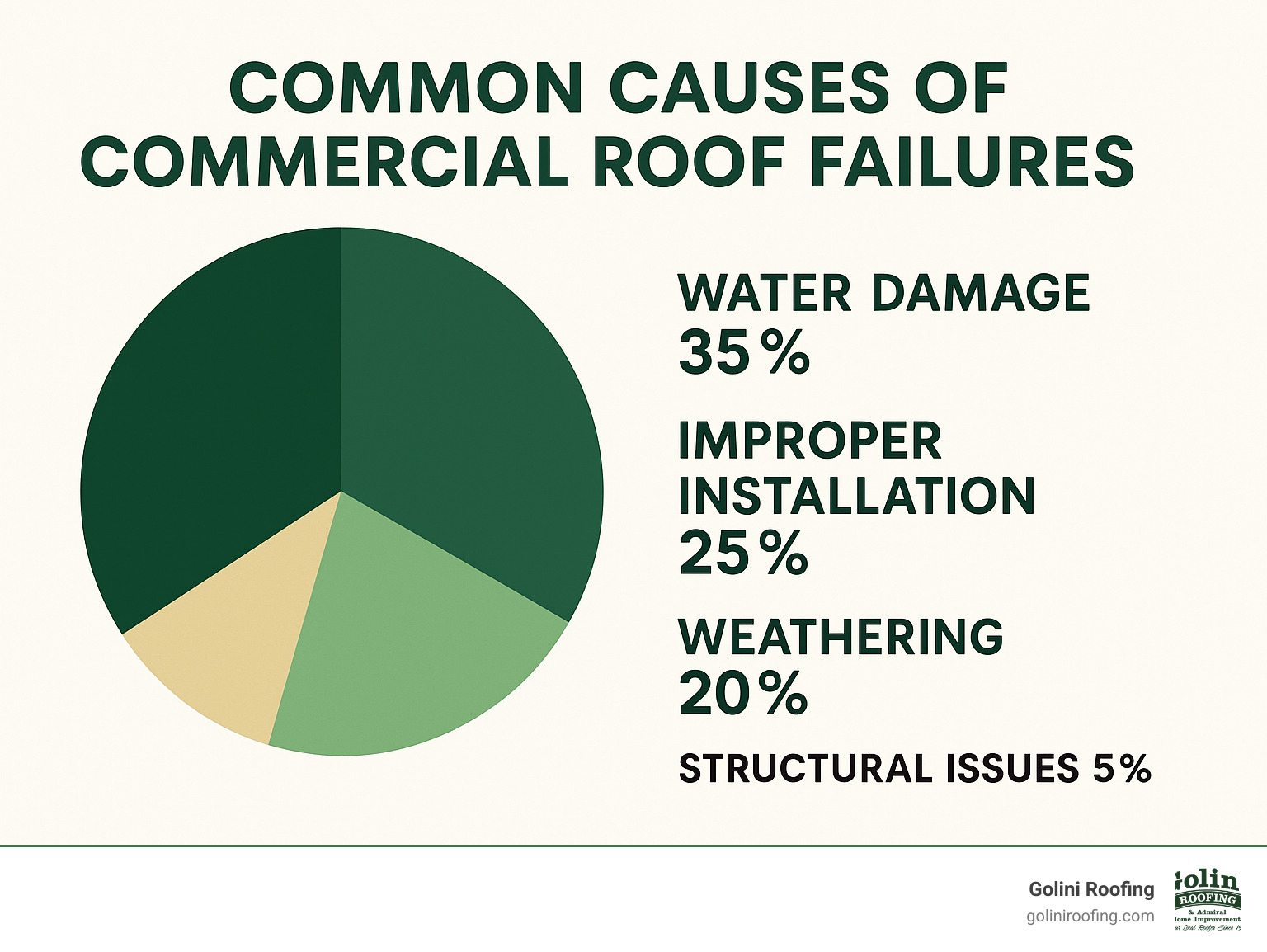
Must-know Commercial roof repair near me terms:
– roof installation near me
– residential roof company
– asphalt shingle roof replacement
What Counts as Commercial Roof Repair & Why It Matters
When we talk about commercial roof repair near me, we’re referring to a specialized set of services that go far beyond what you’d expect for a home. Commercial buildings typically have flat or low-slope roofing systems that require specific expertise and materials to maintain properly.
Think of your commercial roof as the silent guardian of everything your business holds valuable. It’s not just about patching a hole—it’s about protecting your entire operation.
The most common commercial roof repairs we see include stopping persistent leaks, patching damaged membranes where they’ve torn or blistered, sealing compromised flashing around edges and penetrations, and reinforcing structural elements that have begun to weaken. Many building owners don’t realize that proper drainage maintenance and protective coating applications are also crucial repair services that extend roof life dramatically.
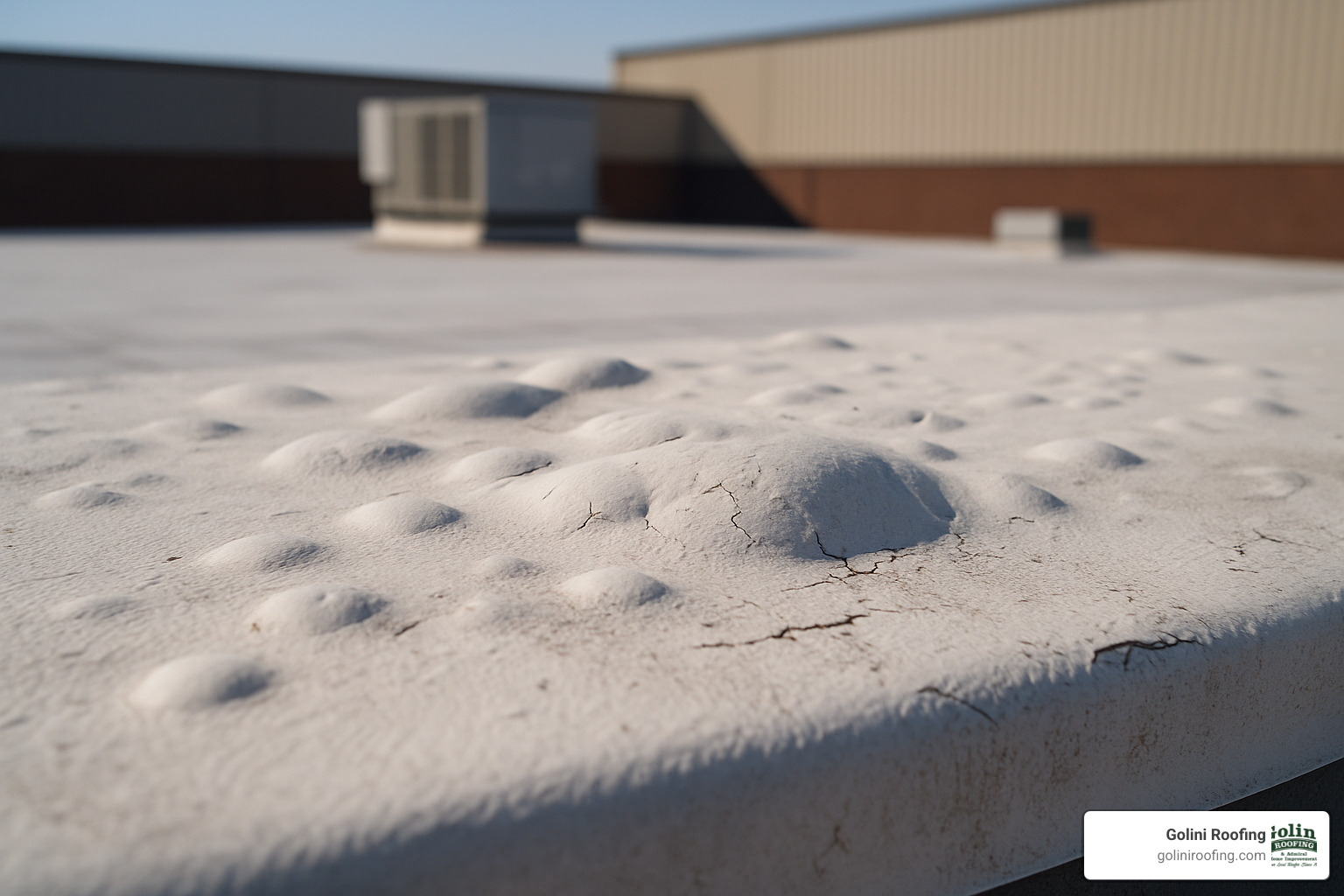
Why does all this matter to your bottom line? Because a well-maintained commercial roof is about much more than staying dry. It protects your valuable inventory and equipment from water damage that can halt operations instantly. One of our clients recently shared, “What looked like a tiny leak ended up costing us $50,000 in damaged inventory before we found the right repair company. Now we know better.”
Business continuity is another critical factor—roof failures don’t wait for convenient times, and emergency shutdowns can devastate your revenue stream. Meanwhile, energy efficiency improves substantially when your roof system is intact, with proper insulation and reflective coatings keeping your HVAC costs manageable instead of skyrocketing.
Perhaps most compelling for property owners is how regular repairs extend your roof’s lifespan. What might have been a complete replacement at 15 years can often stretch to 25-30 years with proper maintenance—a massive return on your repair investment. This maintenance directly maintains your property value too, as potential buyers or tenants always scrutinize roofing conditions during evaluations.
The hidden danger many businesses find too late is secondary damage. That small leak you’ve been ignoring? It’s potentially creating mold behind walls, rotting structural elements, or creating fire hazards where water meets electrical systems.
As one facility manager put it, “Finding reliable commercial roof repair near me changed everything about how we approach roof maintenance. It’s shifted from emergency response to strategic asset management.”
Signs Your Building Needs Help Yesterday
Is your commercial roof sending you distress signals? Don’t ignore them! These warning signs aren’t just minor inconveniences—they’re urgent calls to action that could save your business thousands in potential damage. When you spot these red flags, it’s time to search for commercial roof repair near me before small problems become major disasters.
1. Ponding Water
That innocent-looking puddle on your flat roof is actually a silent destroyer. Commercial roofs are engineered to shed water, not hold it. When water sits for more than 48 hours after rainfall, it’s adding unnecessary weight, weakening your roofing materials, and actively searching for a way inside your building.
“I thought a little standing water was normal until our maintenance manager showed me how it had already started deteriorating the membrane,” shared one of our retail clients whose roof we recently restored.
2. Interior Water Stains or Active Leaks
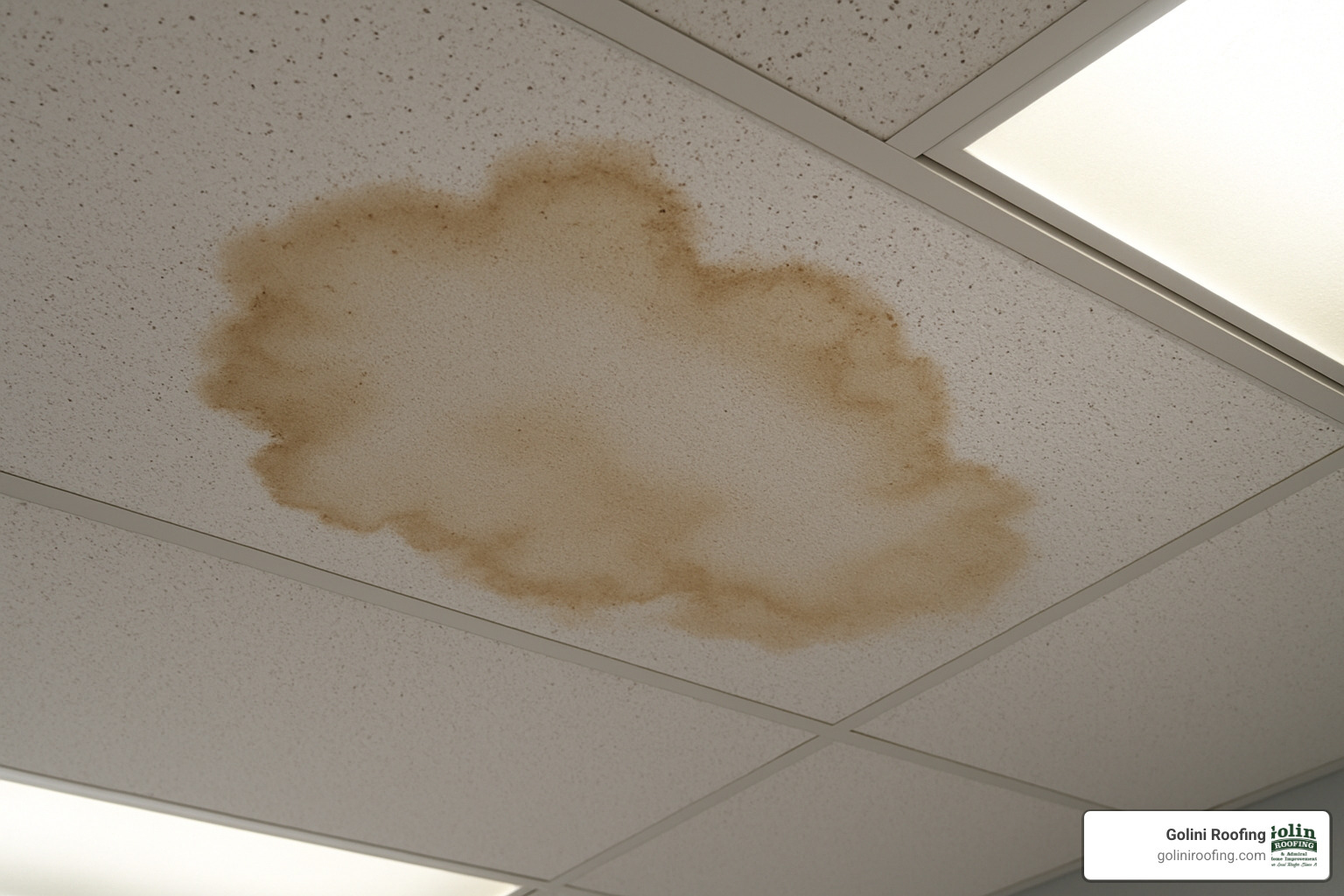
Those brownish ceiling stains aren’t just cosmetic issues—they’re evidence that water has already breached your roofing system. Even tiny stains deserve immediate attention because they’re usually just the visible tip of a much larger moisture problem lurking above.
3. Unexplained Increases in Energy Bills
Has your heating or cooling bill suddenly spiked? Your roof might be the culprit. When roofing insulation gets wet, it loses its thermal resistance, forcing your HVAC system to work overtime. This energy drain is both expensive and a clear warning that moisture is compromising your roof system.
4. Visible Membrane Damage
Those cracks, tears, blisters, or pulling seams in your roofing membrane aren’t minor imperfections—they’re direct pathways for water infiltration. As one warehouse manager finded after calling us, “What looked like a small blister on our TPO roof was actually hiding gallons of trapped water beneath the membrane that had been damaging our insulation for months.”
5. Loose or Missing Fasteners
For metal roofing systems, those tiny screws and fasteners play a huge role in keeping your roof secure. When they’re loose or missing, entire panels can lift during high winds, creating entry points for moisture and setting the stage for more extensive damage.
6. Aging Roof Surface
Even without visible problems, an aging roof deserves professional attention. Most commercial systems have a 20-25 year lifespan, and pushing beyond that is like driving on bald tires—you might be fine today, but you’re setting yourself up for a potential emergency tomorrow.
7. Foul Odors or Unexplained Mold
That musty smell in your building isn’t just unpleasant—it’s a warning. Unexplained odors or visible mold growth often point to hidden moisture problems stemming from roof leaks that may have been ongoing for weeks or months before becoming noticeable.
8. Damaged Flashing
The metal flashing around your roof penetrations, edges, and transitions is your first line of defense against water intrusion. When it’s damaged, rusted, or pulling away, it’s like leaving your door ajar during a rainstorm—water will find its way in.
These signs represent serious safety hazards too—from slip-and-fall risks due to interior leaks to potential structural weakening that could compromise your entire building’s integrity. Don’t wait until these warning signs escalate into full-blown emergencies that disrupt your business operations.
Our experience shows that addressing these issues promptly through professional commercial roof repair near me services isn’t just about fixing a problem—it’s about protecting your entire business investment. The small cost of a repair today can prevent the major expense of extensive water damage, inventory loss, and business interruption tomorrow.
Commercial roof repair near me: How to Vet Local Pros
Finding the right commercial roofing contractor can feel like searching for a needle in a haystack. When you’re typing commercial roof repair near me into your search bar, you want someone reliable who won’t break the bank or leave you with more problems than solutions.
1. Verify Licensing and Insurance
First things first—make sure any contractor you’re considering is properly protected. This means current state-specific roofing licenses, general liability insurance (at least $1 million in coverage), and workers’ compensation for their team.
Here’s a tip from experience: Don’t just take their word for it. Request insurance certificates directly from their providers, not photocopies that could be outdated or altered. This small step can save you from massive headaches down the road.
2. Check Safety Records and Training
Commercial roofing work happens dozens of feet in the air with hot materials and heavy equipment. A contractor’s safety record tells you volumes about their professionalism.
Ask potential contractors about their Experience Modification Rate (EMR)—lower numbers indicate better safety records. Also inquire about OSHA training certifications and what specific safety protocols they implement at job sites. A company that prioritizes safety will likely bring that same care to your roof repair.
3. Look for Manufacturer Certifications
The best commercial roofing contractors maintain certifications from major material manufacturers like GAF, Firestone, and Carlisle. These aren’t participation trophies—contractors earn them through rigorous training, proven quality installations, and ongoing education.
These certifications matter to you because they typically allow contractors to offer improved material warranties that uncertified installers simply cannot provide. When a manufacturer stands behind a contractor’s work, that’s a powerful vote of confidence.
4. Review BBB Ratings and Online Reviews
The Better Business Bureau remains a valuable resource for vetting contractors. Look for A+ or A ratings, prompt resolution of any complaints, and BBB accreditation, which requires meeting established ethical standards.
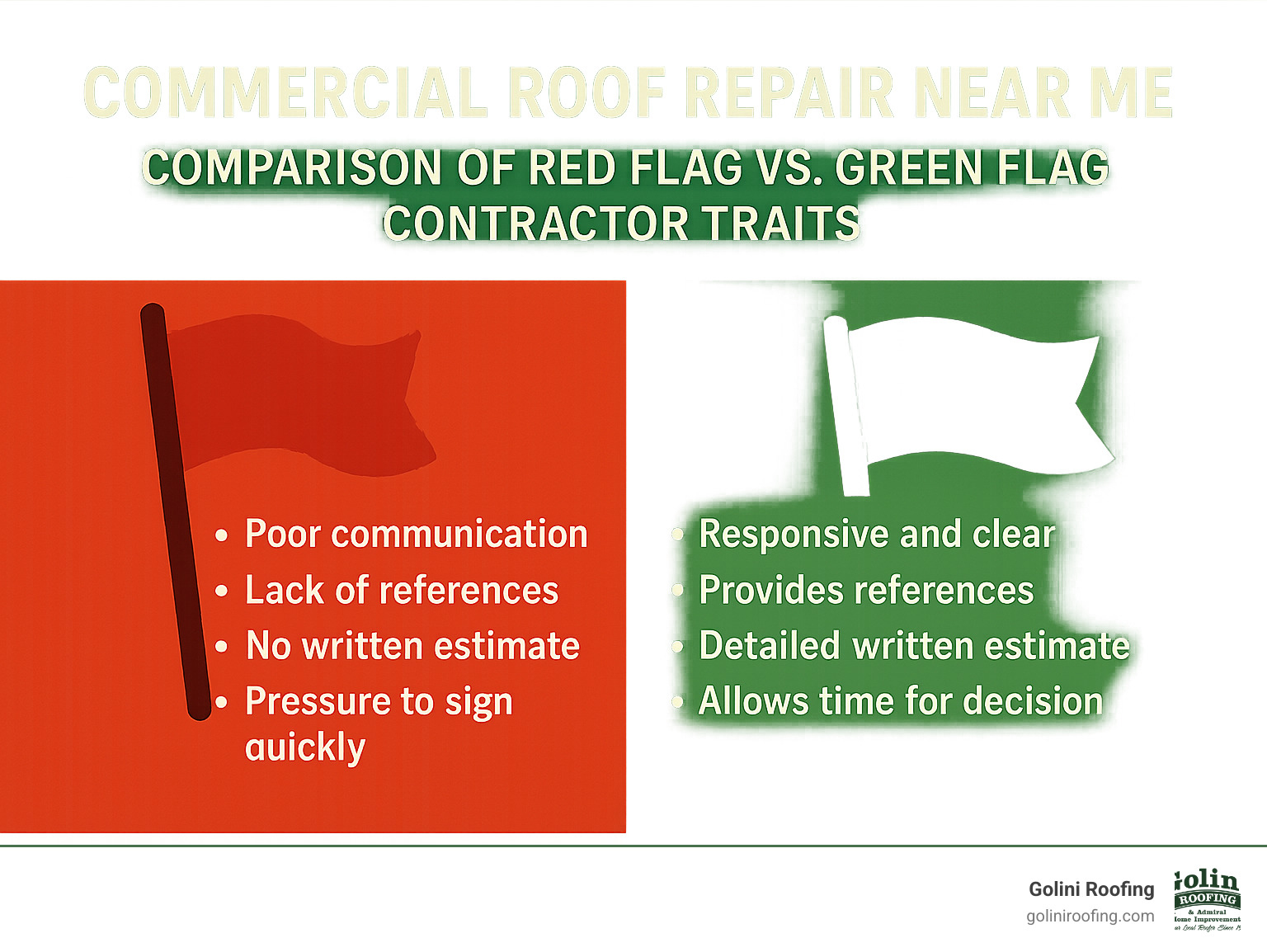
Don’t stop there—examine Google, Yelp, and industry-specific review sites for patterns in customer feedback. One negative review might be an outlier, but consistent complaints about the same issues are red flags waving in your direction.
5. Request and Contact References
Any reputable commercial roofing contractor should happily provide references from similar projects, before-and-after photos, and even addresses of local buildings where you can see their work firsthand.
When you contact these references, dig deeper than “Were you satisfied?” Ask specific questions about project timeline adherence, communication quality, how unexpected issues were handled, and whether they’d hire the contractor again. The answers will tell you what it’s really like to work with them.
6. Evaluate Detailed Estimates
A quality estimate for commercial roof repair near me should read more like a detailed blueprint than a quick scribble on a napkin. Look for:
- Line-item breakdown of materials and labor
- Specifics about material types and quantities
- Clear scope of work and project boundaries
- Warranty information (both workmanship and materials)
- Realistic project timeline
- Transparent payment schedule
Be wary of contractors who provide only verbal quotes or single-number estimates without details—they’re likely cutting corners somewhere, and it probably won’t be in your favor.
For more comprehensive information about selecting the right commercial roofing contractor for your needs, visit our Commercial Roof Contractors page.
Commercial roof repair near me search checklist
When you’re actively searching for local commercial roofing professionals, a systematic approach helps ensure you find the best match for your needs.
Start with Google Maps by searching “commercial roof repair near me” and noting companies within a 30-mile radius. Closer is often better, especially for emergency service. Create a shortlist of 5-7 contractors with strong ratings (4+ stars).
Next, apply the BBB filter by visiting BBB.org to check each company’s standing. Eliminate any with ratings below B or unresolved complaints, and give preference to accredited businesses that have committed to ethical standards.
Dig into online reviews beyond just star ratings. What are customers actually saying about response times for emergencies? How’s the quality of repairs? Do they communicate well throughout the process? Is the final result worth what they charge?
Once you’ve narrowed your list, schedule site visits with your top 3-4 candidates. Pay attention to which contractors arrive on time, perform thorough inspections (not just quick walkarounds), use proper diagnostic tools, take detailed measurements and photos, and ask thoughtful questions about your roof’s history.
Finally, compare scope of work across all estimates to ensure each contractor is addressing the same issues. Watch for significant differences in approach—they may indicate some contractors spotted problems others missed. Verify that material specifications match your roof’s requirements and confirm timeline commitments.
For more detailed information about the repair process and what to expect, visit our Roof Repairs page.
Looking to share this information with colleagues? Share on LinkedIn
Average Costs & Key Pricing Factors
When you’re searching for commercial roof repair near me, understanding potential costs helps you prepare financially and recognize fair pricing. Let’s break down what you might expect to pay for different levels of commercial roof repairs.
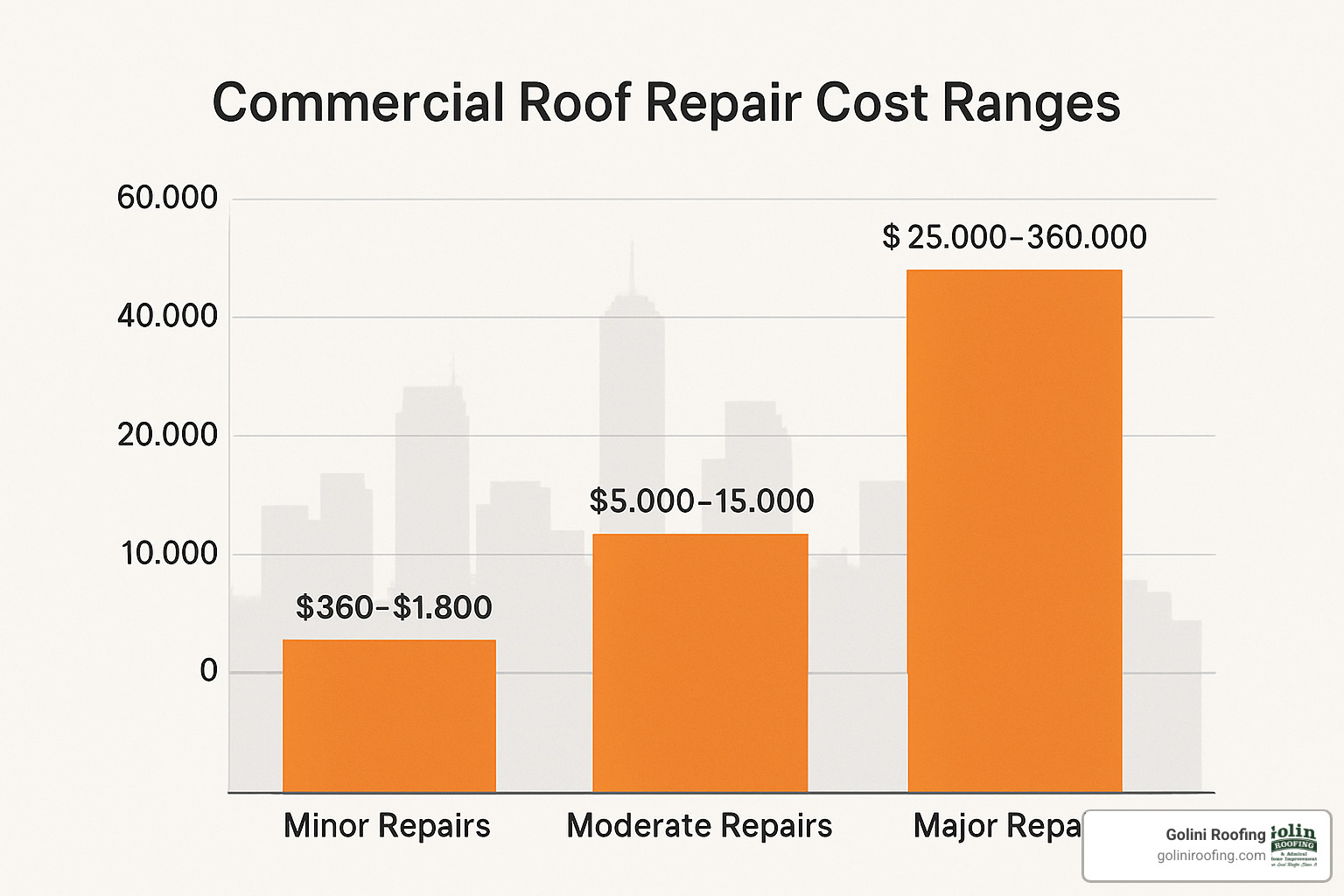
Cost Ranges by Repair Scope
Minor Repairs: $380-$1,800
Those small but important fixes like patching isolated leaks, repairing flashing, or clearing clogged drains typically fall in this range. These are the “stitch in time saves nine” repairs that prevent bigger problems down the road.
Moderate Repairs: $5,000-$15,000
When your roof needs more substantial attention—like replacing larger membrane sections or addressing multiple leak points—costs climb into this middle range. Many building managers find themselves here after postponing those minor repairs a bit too long.
Major Repairs: $25,000-$60,000
Significant structural issues, extensive water damage remediation, or replacing large roof sections will push you into this higher bracket. These repairs often can’t be postponed without risking serious damage to your building’s interior and contents.
Note: These are average costs based on internet data and not actual costs for Golini Roofing. Prices can vary significantly based on your specific situation.
Key Factors That Influence Pricing
The final price tag for your commercial roof repair depends on several important variables—think of these as the “multipliers” that can push costs toward either end of the ranges above.
Roof Size and Accessibility matters significantly. A sprawling warehouse roof naturally requires more materials than a small office building. But even more impactful can be accessibility issues—roofs that are difficult to reach, have limited staging areas, or require specialized equipment to access safely will increase labor costs considerably.
The type of roofing material on your building plays a major role in repair costs. TPO and EPDM membrane repairs typically run on the lower end of the spectrum, while specialized materials like PVC or metal panels might cost more—especially if matching existing materials proves challenging.
How deep the damage goes directly impacts your final bill. Surface-level repairs limited to the top membrane layer are relatively straightforward. But when water has penetrated to the insulation or structural decking beneath, costs climb quickly as more layers need removal and replacement.
Emergency service requirements can add a premium to your repair costs. After-hours calls, weekend work, or holiday emergencies typically include surcharges—sometimes 1.5 to 2 times standard rates. That active leak during your holiday party? It’ll cost more to fix than the same leak during regular business hours.
Supply chain issues and material availability have become increasingly significant factors in recent years. Material shortages can drive up costs, while some specialized components may require longer lead times or come with premium pricing due to limited availability.
Warranty coverage represents a “you get what you pay for” scenario. Basic repairs with standard warranties cost less upfront, while premium repairs with extended or manufacturer-backed NDL (No Dollar Limit) warranties require certified installers and specific materials—increasing initial costs but potentially saving money long-term.
For scientific research on commercial roofing cost drivers and potential savings through proper maintenance, visit GAF’s commercial roofing resources.
As one of our clients recently shared: “What surprised me wasn’t the cost of the repair itself, but how much we’d been spending on band-aid solutions over the years. Getting it fixed right the first time would have actually saved us thousands.”
The 5 Leading Commercial Roof Repair Profiles
When searching for commercial roof repair near me, you’ll encounter several types of roofing companies, each with unique strengths. Understanding these different profiles helps you select the right partner for your specific needs.
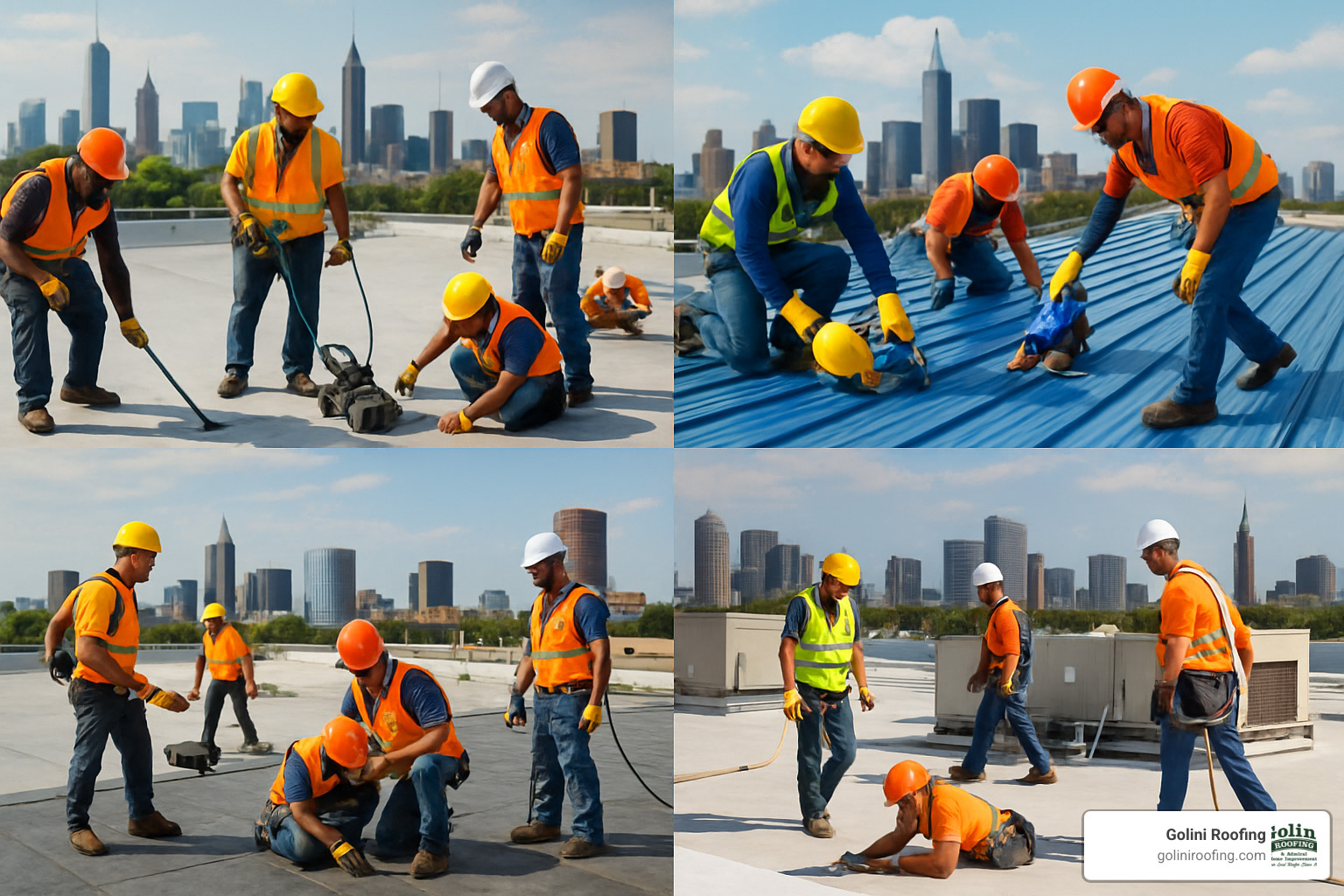
1. Local Specialists for Hand-Crafted Quality
There’s something special about working with a local roofing company that truly understands your community. These specialists build their reputation on personalized service and meticulous craftsmanship.
Local experts like us at Golini Roofing take pride in our hand-nailing approach – something that’s becoming increasingly rare in the industry. This technique ensures each fastener sits perfectly, creating a level of precision that automated nail guns simply can’t match. For commercial repairs where details matter, this attention to craftsmanship makes a significant difference.
“The personal attention from Golini’s team made all the difference,” shared one of our commercial clients in Wakefield. “They took the time to understand our business operations and scheduled repairs to minimize disruption.”
What makes local specialists stand out is their rapid response times, direct access to owners and senior technicians, and deep knowledge of local building codes and weather patterns. We’re not just contractors – we’re neighbors who understand exactly what your roof faces throughout New England’s challenging seasons.
2. Regional Powerhouses With Multi-State Crews
Regional roofing companies bring substantial resources to the table, operating across multiple states with larger teams and specialized equipment. Their standardized processes and quality control measures create consistency across all their projects.
These mid-sized powerhouses offer significant advantages for businesses with multiple locations across a region. Their single-source warranty coverage simplifies the management process, while their regional material warehousing means faster repairs when emergencies strike. With large fleets of equipment and the capacity to handle multiple simultaneous jobs, they’re well-positioned for bigger commercial projects.
Many regional contractors have developed sophisticated systems for centralized billing and reporting, making them particularly attractive to property managers overseeing multiple commercial buildings across state lines.
3. Nationwide Giants for Portfolio Managers
For companies managing large property portfolios across the country, national commercial roofing contractors offer compelling benefits. With over 100 office locations and more than 650 roofing crews nationwide, these industry giants provide consistent service regardless of where your properties are located.
Their sophisticated portfolio tracking systems allow property managers to monitor roof conditions, maintenance schedules, and repair histories across dozens or even hundreds of locations from a single dashboard. Standardized reporting and documentation make budget planning more predictable, while their preventive maintenance programs can extend roof lifespans across entire portfolios.
These contractors excel at creating consistent experiences – from pricing to service quality – regardless of whether your building is in Boston, Chicago, or San Francisco. Their extensive resources make them well-suited for large-scale projects that might overwhelm smaller contractors.
4. 24/7 Emergency Leak Teams
Water doesn’t wait for business hours, and neither do specialized emergency response teams. These contractors focus exclusively on rapid leak detection and repair, offering round-the-clock service when disaster strikes.
Using sophisticated leak detection technology and computerized dispatching systems, emergency teams can quickly identify and address problems before they cause extensive damage. Their building-specific leak history databases improve response efficiency, allowing technicians to understand potential problem areas before they even arrive on site.
“Having access to a dedicated emergency team saved us thousands in potential damage during an overnight storm,” one commercial property manager told us. For businesses where downtime means lost revenue, these rapid-response specialists provide invaluable peace of mind with their ability to implement temporary solutions until permanent repairs can be completed.
5. Sustainable & Cool-Roof Innovators
As environmental concerns and energy costs continue to rise, a growing segment of the commercial roofing industry specializes in sustainable solutions. These forward-thinking contractors focus on technologies that not only protect your building but also reduce its environmental footprint.
Their expertise includes reflective “cool roof” technologies that can dramatically reduce cooling costs, solar-integrated roofing systems that generate power while protecting your building, and green roofing solutions that manage stormwater runoff. Many also emphasize recycling of roofing materials to reduce landfill impact.
For businesses looking to improve their sustainability profiles while extending roof life, these specialized contractors offer innovative options like advanced roof coating systems. Some even provide monitoring technology to track energy savings and roof performance over time. For cutting-edge solar integration options, you can view GAF Energy solar shingles to see how commercial roofs are evolving beyond just protection.
For more information about our approach to commercial roof repair, visit our Commercial Roofing Repair page.
What to Expect: Inspection, Estimate & Repair Timeline
When you search for commercial roof repair near me and select a contractor, understanding the typical process helps set realistic expectations. Here’s what you can expect from initial inspection through project completion:
The Inspection Process
A thorough commercial roof inspection isn’t just a quick walk-around – it’s a comprehensive assessment that should leave no stone unturned. Professional roofers start with a visual assessment, carefully walking the entire roof surface to document visible damage with photos. They’ll pay special attention to the usual suspects: flashing, penetrations, and drainage systems where problems commonly begin.
For more complex issues, expect advanced diagnostics that dig deeper. Thermal scanning can reveal hidden moisture that’s invisible to the naked eye, while core samples allow inspection of all roof layers to assess the full extent of damage. Moisture meters provide quantitative data about water intrusion, helping differentiate between minor dampness and serious saturation.

Don’t be surprised if your roofer wants to examine the interior too. Water stains, active leaks, and ceiling damage provide valuable clues about what’s happening above. As one of our clients put it, “I was impressed that Golini’s inspector spent almost as much time in our ceiling space as on the roof itself – that thoroughness found issues our previous contractor had missed entirely.”
At Golini Roofing, we believe comprehensive inspections that identify not just obvious problems but also underlying issues are essential to avoiding repeated repairs. Our detailed approach addresses root causes, not just symptoms.
The Estimate Process
A quality estimate should be far more detailed than a simple bottom-line number. Expect a line-item breakdown that clearly separates materials (with specifications and quantities) from labor costs and equipment requirements. This transparency helps you understand exactly what you’re paying for.
Your estimate should also include thorough project scope documentation, clearly describing the work to be performed, areas to be addressed (often with a roof plan), and specific repair techniques. The more detailed this information, the fewer surprises you’ll encounter during the project.
Timeline and logistics information matters too – when will work start and finish? What hours will crews be working? What access do they need? Where will materials be staged? How will your property be protected? These details help you prepare your business operations accordingly.
Warranty information should be clearly spelled out, including both workmanship warranty terms and material warranty details. Don’t overlook the maintenance requirements to maintain your warranty – these are critical for long-term roof performance.
For more detailed information about our inspection process, visit our Commercial Roof Inspections page.
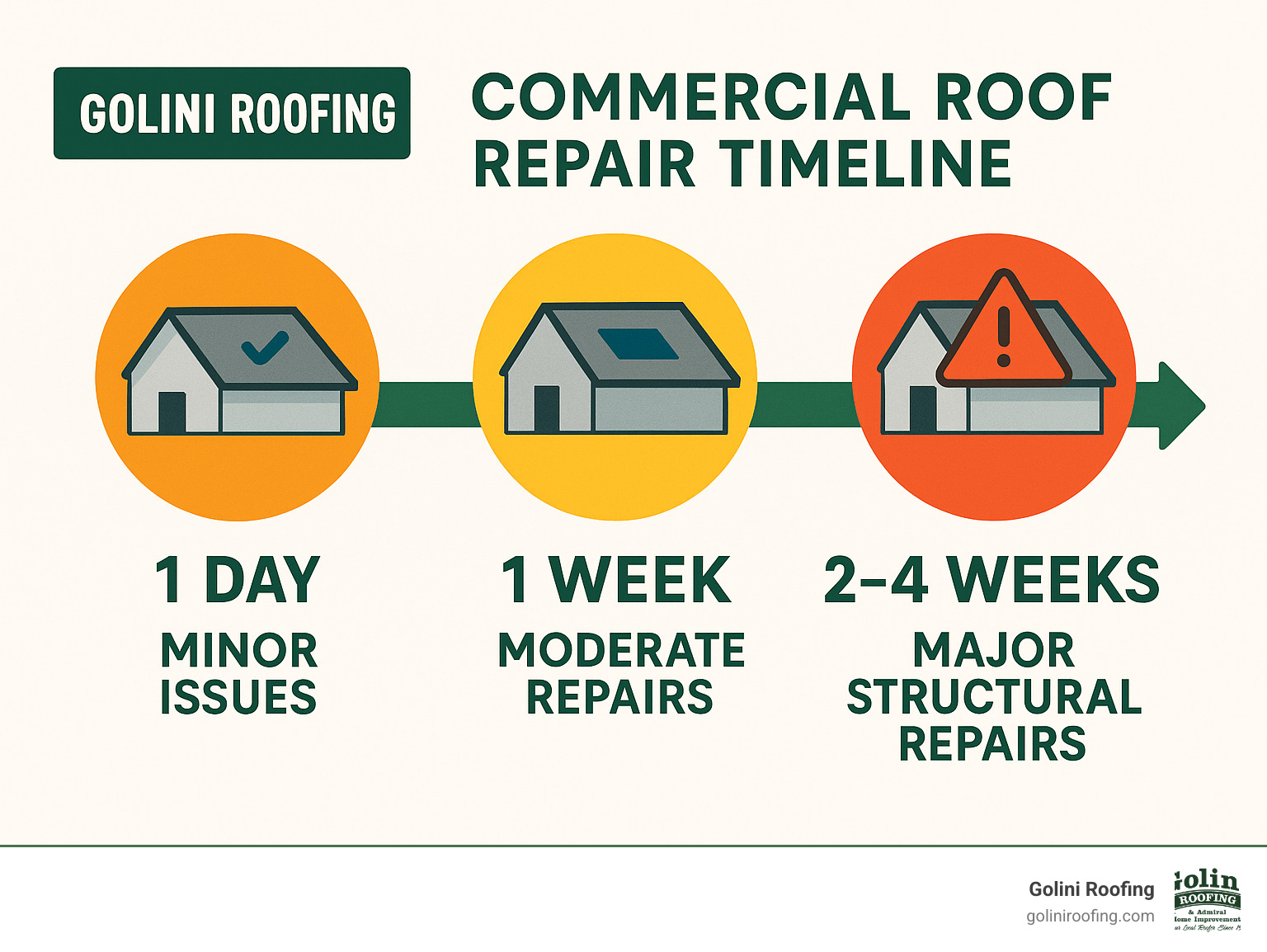
Commercial roof repair near me project timeline snapshot
Understanding typical project durations helps you plan for potential business disruptions. Minor repairs like small membrane patches, simple flashing repairs, and drain cleaning generally take just 1-2 hours to complete. These quick fixes can often be scheduled during off-hours to minimize any impact on your operations.
Moderate repairs typically require 1-3 days to address multiple leaks, replace larger membrane sections, or install new flashing. These projects need more coordination but can usually be staged to allow continued business operations.
Major structural repairs involving deck replacement, complete section replacement, or extensive water damage remediation can take 1-4 weeks depending on the scope. These substantial projects require careful planning to minimize business disruption.
The repair process itself follows a logical progression. First comes project setup – installing safety equipment, staging materials, protecting building contents, and securing work areas. Next is the actual repair execution: removing damaged materials, preparing the substrate, installing new materials, and completing all sealing and finishing work.
Quality control follows, with inspection of completed work, water testing when appropriate, and thorough documentation. A final walkthrough with you ensures your satisfaction before the cleanup and closeout phase begins. This final stage includes complete site cleanup, removal of all equipment and debris, final documentation, warranty issuance, and a post-project follow-up.
At Golini Roofing, we pride ourselves on minimizing disruption to your business operations. As one restaurant owner in Wakefield told us, “Their team worked around our busiest hours, completing the noisiest work before we opened for lunch. We didn’t lose a single customer despite a major roof repair happening overhead.”
Maintenance After the Fix
After investing in commercial roof repair, protecting that investment becomes your next priority. A thoughtful maintenance program isn’t just a good idea—it’s essential for maximizing your roof’s lifespan and protecting your bottom line. Many of our clients are surprised to find that regular maintenance can often double how long their commercial roof lasts.
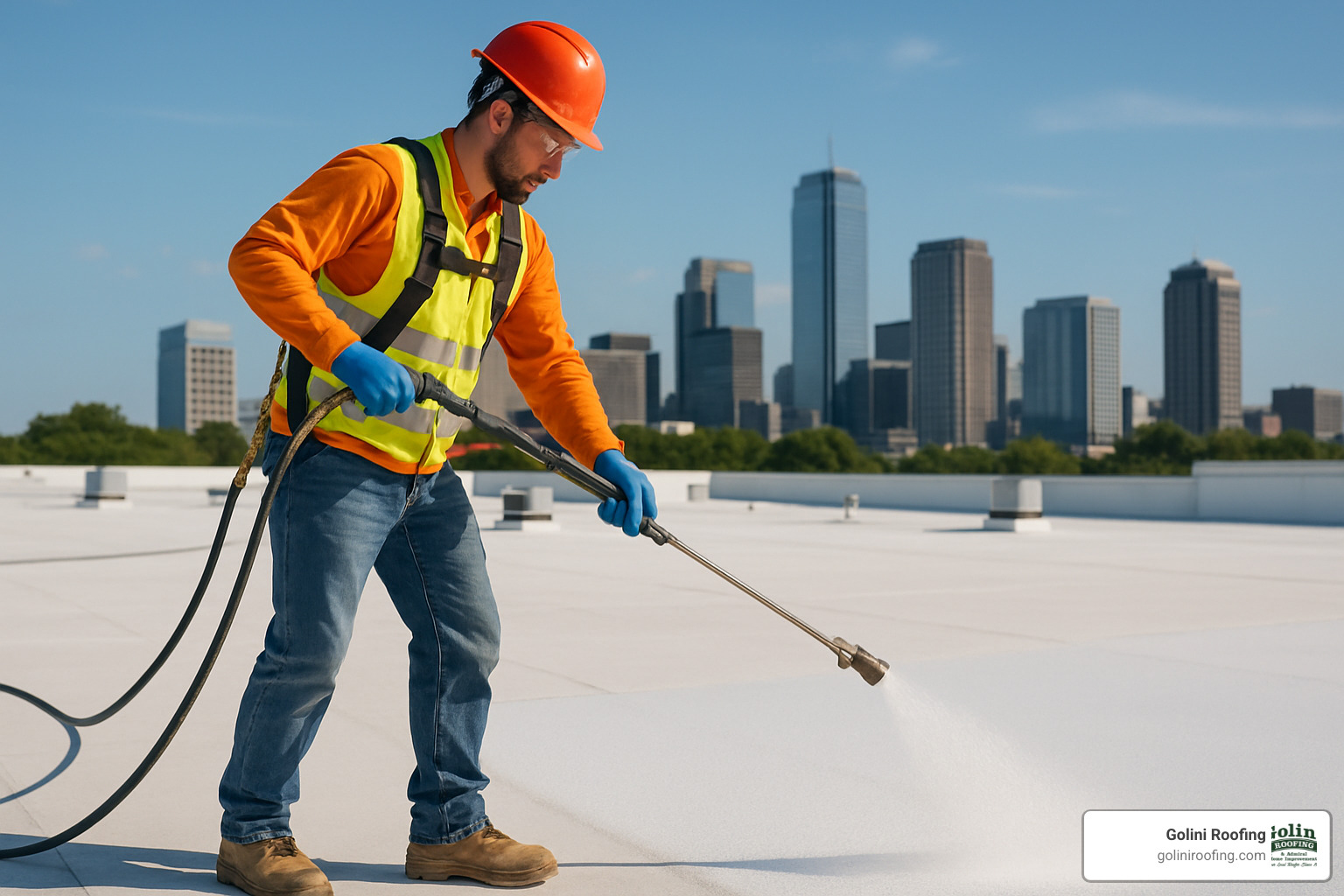
Essential Maintenance Tasks
When it comes to keeping your roof in top shape, timing is everything. Quarterly checks provide the foundation of good roof care. During these seasonal visits, we focus on removing debris that can trap moisture, clearing leaves and branches from drainage paths, checking for unwanted vegetation, and inspecting for any damage that might have occurred after recent storms.
Annual professional maintenance takes this care to the next level. This more thorough approach includes inspecting and reapplying sealants where they’ve weathered, conducting comprehensive gutter and downspout cleaning, carefully examining all flashing points, assessing the overall condition of your roof membrane, and taking a close look at previous repair areas to ensure they’re holding strong.
Some maintenance tasks happen less frequently but are just as important. Coating renewal typically comes into play every 5-10 years depending on the product used. Other periodic services include comprehensive drainage testing, infrared moisture scans that can detect hidden water issues before they become visible, and certification of safety equipment like roof anchors.
DIY Visual Inspection Checklist
While professional eyes should regularly examine your roof, facility managers can play a crucial role between service visits. I always tell my commercial clients that becoming familiar with your roof’s normal appearance makes it easier to spot when something isn’t right.
Look for ponding water that remains 48 hours after rainfall—this is never normal on a properly functioning commercial roof. Check for membrane blisters, tears, or punctures that might have developed recently. Pay special attention to roof penetrations like vents and HVAC units to ensure flashing remains secure. Don’t forget to examine roof edges where wind damage often begins, and always make sure drains and scuppers remain clear of blockages.
Document everything you find with photos and notes. This simple practice creates a valuable history of your roof’s condition that professionals can reference during maintenance visits.
Service Agreements: The Proactive Approach
Many of our commercial clients have finded that scheduled maintenance agreements offer peace of mind along with budget predictability. Rather than reacting to problems, these agreements put you firmly in control with regular inspections, priority service during busy seasons, and often include discounted repair rates when issues are found.
The documentation and reporting that comes with professional maintenance also creates a valuable paper trail for warranty purposes and future planning. Many manufacturers’ warranties actually require regular documented maintenance—missing this can void your coverage when you need it most.
One of our long-term commercial clients in Burlington provides my favorite maintenance success story. Despite having a 20-year-old roof, they haven’t experienced a single leak in over seven years thanks to their quarterly maintenance program. As their facility manager told me, “The maintenance costs pay for themselves in avoided emergency repairs and extended roof life.”
For more detailed information about our comprehensive commercial roofing services, including our customized maintenance programs, visit our Commercial Roofing Services page.
To learn about manufacturer-backed maintenance programs that can extend your roof’s warranty coverage, Connect now for Roof Care.
Finding commercial roof repair near me is just the first step in your roofing journey. With proper maintenance, that repair becomes an investment that pays dividends for years to come.
Frequently Asked Questions About Commercial Roof Repair Near Me
How do insurance claims work for commercial roof repairs?
Navigating insurance claims for commercial roof damage doesn’t have to be a headache. The process follows a fairly predictable path, though it does require some attentiveness on your part.
Start by documenting all damage thoroughly with clear photos and detailed notes about when and how the damage occurred. Time stamps on photos can be incredibly helpful here.
Next, contact your insurance provider promptly – most commercial policies have a tight window for notification, typically 24-72 hours after finding damage. Missing this window can sometimes be grounds for claim denial, so don’t delay.
A professional roof inspection is your next critical step. Choose a contractor experienced with insurance work. At Golini Roofing, we’ve refined our documentation process specifically for insurance adjusters, making the claim process smoother for our clients.
When the adjuster visits, have your roofing contractor present. This simple step has saved countless building owners thousands of dollars. Your contractor can point out damage the adjuster might miss and explain technical issues in terms the insurance company understands.
One property manager in Medford told us, “Having Golini’s team at the adjuster meeting made all the difference. They identified several damaged areas the adjuster initially missed, which increased our claim payment by nearly $12,000.”
After receiving the insurance estimate, review it carefully with your contractor. Insurance companies often use standardized pricing software that might not reflect local market rates or your roof’s specific requirements. Don’t be afraid to push back with documentation if the estimate seems inadequate.
Finally, always get written approval before proceeding with repairs to ensure there’s no question about coverage.
What warranties or guarantees should I expect after repair?
When investing in commercial roof repair near me, understanding your warranty protection is essential for long-term peace of mind.
Quality commercial roof repairs should come with two distinct types of warranties. First, workmanship warranties cover the actual installation or repair work, typically ranging from 1-10 years depending on the contractor. These warranties protect you against defects in installation techniques and should always be provided in writing with clear terms. Be aware that most require regular maintenance to remain valid – skipping annual inspections could void your coverage.
Separately, material warranties come from the manufacturer rather than your contractor. These typically span 10-30 years depending on the product quality and are often prorated, meaning coverage decreases over time. Many manufacturers require installation by their certified contractors for the warranty to be valid.
For the strongest protection, ask about No Dollar Limit (NDL) warranties, which offer comprehensive coverage without financial caps on repair costs. Some manufacturers also offer extended warranties when their certified contractors perform the work.
At Golini Roofing, we stand behind our repairs with solid workmanship warranties and help our clients secure the strongest available manufacturer warranties through our certified installer status. As one client mentioned, “The peace of mind from knowing we’re covered for both materials and installation has been worth every penny.”
What risks am I taking if I delay necessary roof work?
Postponing needed roof repairs is a bit like ignoring a small leak in your car’s brake line – what starts as a minor issue can quickly become dangerous and exponentially more expensive.
The financial consequences of delay can be staggering. Minor repairs often escalate into major expenses when left unaddressed. That small leak you’re ignoring? It’s potentially damaging inventory, equipment, and interior finishes. Many building owners learn the hard way that business interruption costs from major leaks can far exceed what the initial repair would have cost. Even worse, insurance companies frequently deny claims for damage resulting from neglected maintenance they consider “preventable.”
Structural integrity is another serious concern. Water is remarkably destructive – it can deteriorate structural components including decking and supports, particularly when present over time. Wet insulation loses up to 70% of its R-value, dramatically increasing your energy costs. Metal components corrode when continuously exposed to moisture, and the additional weight from water-saturated materials can sometimes exceed your roof’s designed load limits.
There are also significant health and safety risks to consider. Moisture intrusion commonly leads to mold growth and indoor air quality issues that can affect everyone in your building. Wet surfaces create slip hazards, electrical systems can be compromised by water intrusion, and in extreme cases, structural weakening can lead to partial collapse.
Don’t overlook the business reputation risks either. Visible leaks or water damage create negative impressions for customers. Environmental conditions from roof leaks affect product quality and employee comfort, and repeated disruptions damage client relationships and staff morale.
One business owner in Cambridge shared their costly lesson: “What started as a small leak ended up costing us ten times what the initial repair would have. The worst part wasn’t even the repair cost—it was the week of downtime that hurt our customer relationships.”
When you search for commercial roof repair near me, you’re not just fixing a current problem – you’re preventing a cascade of potentially devastating consequences down the road.
Conclusion
When searching for commercial roof repair near me, finding the right roofing partner is crucial for protecting your business investment and ensuring long-term building performance. Throughout this guide, we’ve covered the essential aspects of commercial roof repair, from identifying warning signs to understanding the repair process and maintaining your roof after repairs.
The stakes are high when it comes to your commercial roof. A well-maintained roof doesn’t just keep the rain out—it protects everything your business has worked for underneath it. From inventory and equipment to the safety of your employees and customers, your roof quietly does the heavy lifting of asset protection every day.
As we’ve seen, delaying necessary repairs can quickly transform a simple fix into a major expense. That small leak near your HVAC unit? It won’t stay small for long. The slight ponding after rainstorms? It’s quietly degrading your roofing materials with each passing day.
The smartest next step is scheduling a professional inspection to assess your roof’s current condition. Even if you’re not experiencing active leaks, preventive inspections can identify potential issues before they lead to costly damage. Think of it as a health check-up for your building’s first line of defense.
Remember these key takeaways as you move forward:
Act quickly when you notice signs of roof damage—what costs $800 to fix today might cost $8,000 next month if water begins damaging structural components.
Vet contractors thoroughly by checking licensing, insurance, certifications, and references. The quality of the contractor often determines the quality and longevity of the repair.
Understand the full scope of needed repairs through comprehensive inspections. Addressing only visible symptoms without tackling root causes leads to repeated problems.
Consider long-term value rather than focusing solely on initial price. The cheapest bid rarely delivers the best return on investment when it comes to commercial roofing.
Implement regular maintenance to protect your investment and extend roof life. Scheduled care can literally double the serviceable life of your roofing system.
At Golini Roofing, we offer meticulous hand-nailed commercial roof repairs across Massachusetts, including Burlington, Lynnfield, North Reading, Reading, Stoneham, Wakefield, Wilmington, Winchester, and Woburn. Our commitment to craftsmanship and attention to detail ensures that your commercial roof receives the quality care it deserves.
For more information about our comprehensive roofing services, visit our Roofing Services page or contact us today to schedule your professional roof inspection.
Remember: Your commercial roof protects everything below it—make sure it receives the professional attention it needs.
