Residential Rubber Roofing: Top 5 Benefits in 2025
Residential rubber roofing is a versatile and durable roofing solution that is gaining popularity among homeowners. Here are some quick insights:
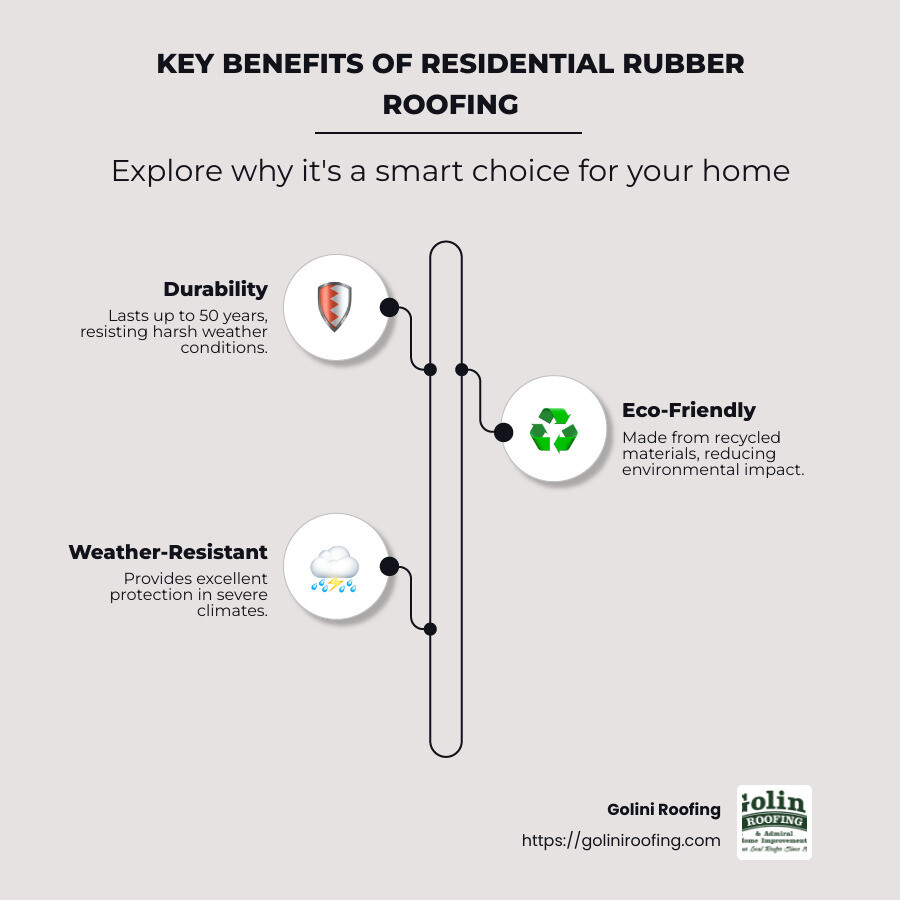
- Durable: Lasts up to 50 years
- Eco-Friendly: Made from recycled materials
- Weather-Resistant: Excellent for harsh climates
This type of roofing, particularly the EPDM (Ethylene Propylene Diene Monomer) variant, is crafted from recycled rubber, offering reliable protection and energy efficiency. Whether you’re looking to safeguard your home from severe weather or optimize energy use, residential rubber roofing is a sound investment.
As Jack Golini, I have over 35 years of experience in the roofing industry, specializing in residential rubber roofing solutions. My expertise ensures superior craftsmanship and minimal disruption to your home. In the following sections, we’ll dig deeper into the unique advantages and considerations of this roofing option.
Quick look at residential rubber roofing:
– what are the 4 main types of residential roofing
– what is residential roofing
– residential flat roof details
Advantages of Residential Rubber Roofing
Residential rubber roofing, particularly EPDM, offers a host of benefits that make it an attractive choice for homeowners. Let’s explore these advantages in detail:
Durability
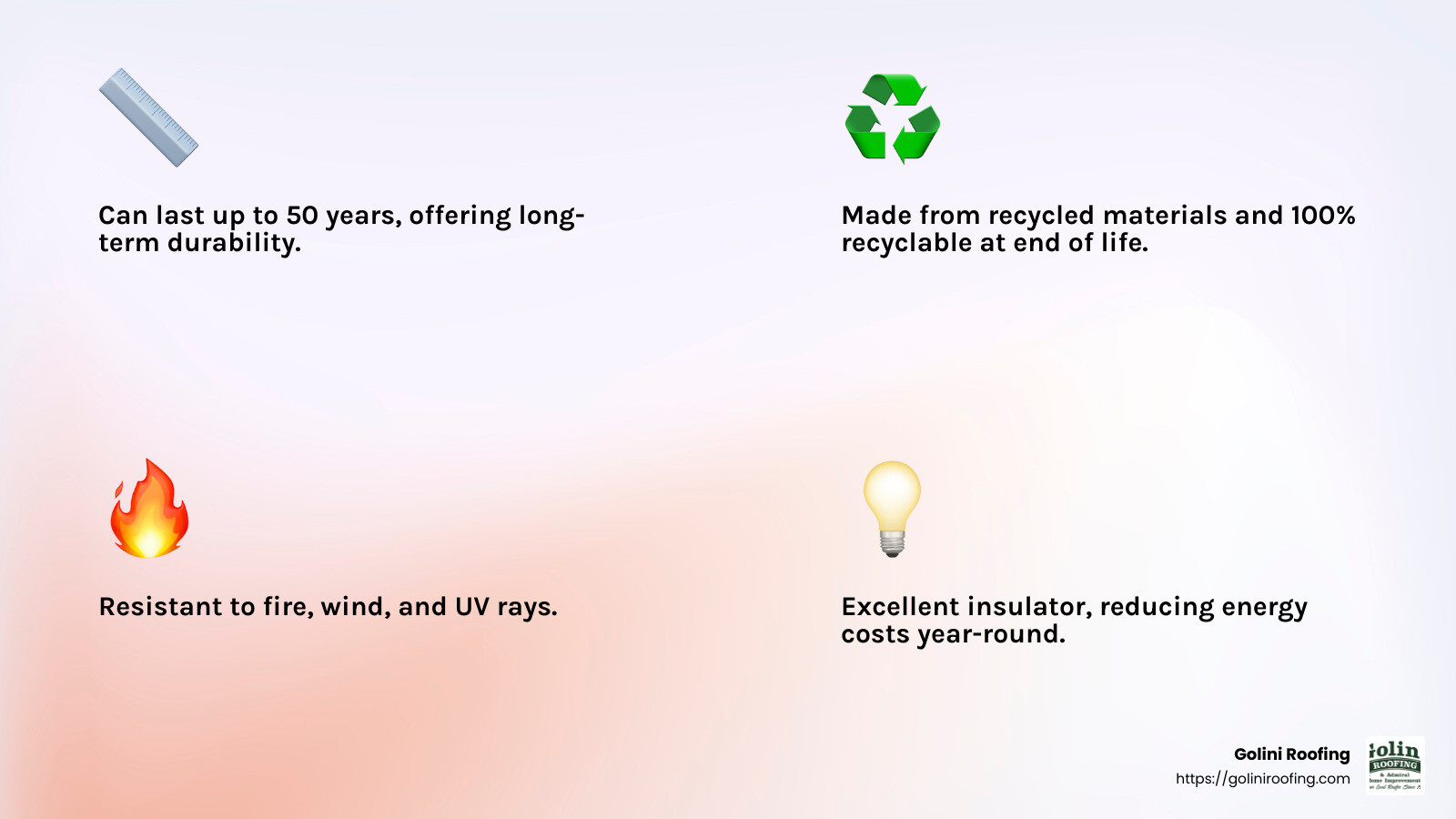
One of the standout features of rubber roofing is its impressive durability. With proper installation, a rubber roof can last up to 50 years. This longevity is due to its resistance to various environmental factors, including fire, wind, and UV rays. Its ability to withstand harsh weather conditions makes it a reliable option for homes in areas prone to extreme climates.
Eco-Friendly
Rubber roofing is an environmentally conscious choice. It is often made from recycled materials, which means less waste in landfills. Additionally, at the end of its life cycle, rubber roofing is 100% recyclable. This sustainable approach not only benefits the environment but also appeals to eco-friendly homeowners looking to reduce their carbon footprint.
Energy-Efficient
Another significant advantage of rubber roofing is its energy efficiency. Rubber roofs are excellent insulators, helping to maintain a stable indoor temperature. They reflect heat in the summer and retain warmth in the winter, which can lead to lower energy bills. This energy-saving feature not only helps the environment but also keeps more money in your pocket over time.
Long Lifespan
The long lifespan of rubber roofing is a major selling point. Unlike traditional roofing materials that may require frequent repairs or replacements, rubber roofing offers a low-maintenance solution. Once installed by a professional, it requires minimal upkeep, making it a hassle-free option for busy homeowners.
In summary, residential rubber roofing is a durable, eco-friendly, and energy-efficient option that promises a long lifespan. These benefits make it a smart investment for homeowners looking to protect their property while also considering environmental impact.
Next, we’ll explore some of the potential drawbacks of residential rubber roofing, so you can make an informed decision.
Disadvantages of Residential Rubber Roofing
While residential rubber roofing has many benefits, it also comes with some drawbacks that homeowners should consider.
Limited Design Options
One of the main limitations of rubber roofing is its design flexibility. Most rubber roofs, especially those made from EPDM, come in basic black or white. This might not suit every homeowner’s aesthetic preferences, especially if you’re looking to match a specific color scheme or architectural style. Although you can customize rubber roofs with acrylic paint, this requires regular touch-ups to maintain the look.
Potential for Punctures
Rubber roofs are durable, but they’re not invincible. They can be prone to punctures, especially if the membrane is thin or if there’s a lot of foot traffic or falling debris, like tree branches. If your home is surrounded by trees or if you plan to use the roof as a recreational space, it’s important to choose a thicker membrane or consider additional protective measures, like a ballasted roof.
Requires Professional Installation
Installing rubber roofing is not a DIY project. It demands professional expertise to ensure proper installation. A poorly installed rubber roof can lead to leaks and other issues. As noted in the research, “Only a qualified EPDM installer should install an EPDM roof.” This means you’ll need to budget for professional installation, which can add to the initial cost. However, this investment is crucial to avoid future headaches and repairs.
In conclusion, while residential rubber roofing offers many advantages, it’s important to weigh these against its limitations. Understanding these potential drawbacks will help you make a more informed decision about whether rubber roofing is the right choice for your home.
Next, let’s dive into the cost considerations for residential rubber roofing and how it compares to other roofing options.
Cost Considerations for Residential Rubber Roofing
When considering residential rubber roofing, cost is a significant factor. Let’s break down the expenses and savings you can expect.
Installation Costs
The installation costs for rubber roofing can vary, typically ranging from $4 to $8 per square foot. Factors like the size and complexity of your roof, the quality of the rubber material, and labor costs in your area will influence the final price. It’s essential to hire a professional for installation, as improper installation can lead to costly repairs down the line.
Rubber roofing materials like EPDM are generally more affordable than high-end options like slate or clay tiles, but they are not the cheapest option available. However, they provide excellent value for their durability and lifespan.
Long-Term Savings
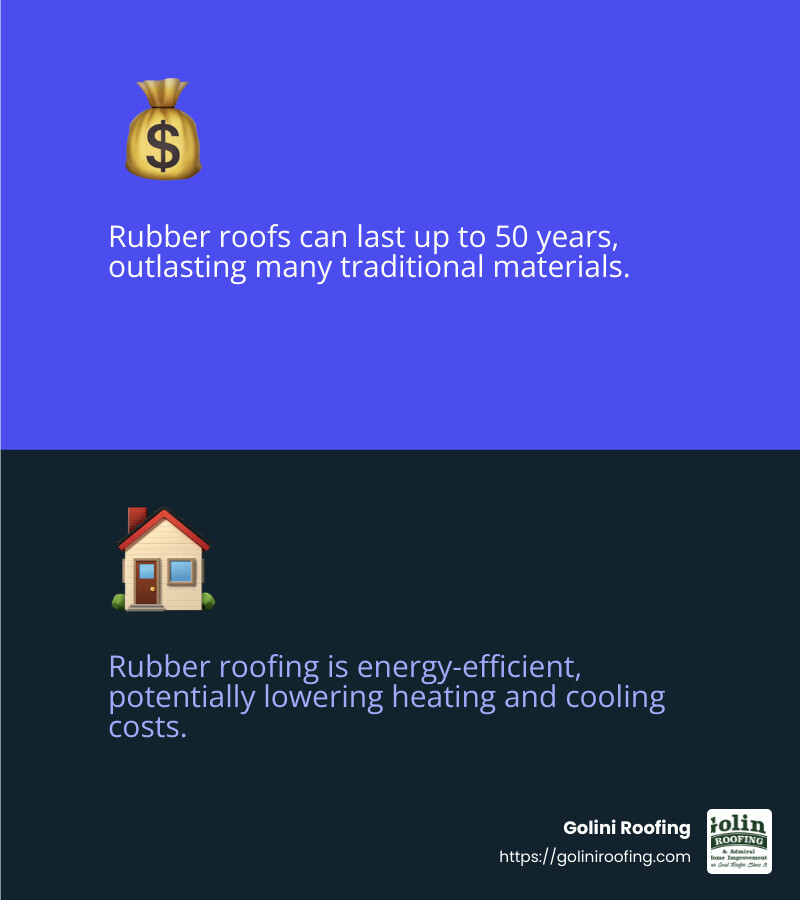
One of the standout benefits of rubber roofing is its long-term savings potential. With a lifespan of up to 50 years, rubber roofs can outlast many other roofing materials, reducing the need for frequent replacements. They are also energy-efficient, helping to insulate your home and potentially lowering heating and cooling costs.
Rubber roofs are eco-friendly too, often made from recycled materials and fully recyclable themselves. This not only benefits the environment but can also be a selling point if you decide to move.
Cost Comparison with Shingles
When comparing rubber roofing to traditional asphalt shingles, it’s important to consider both the upfront and long-term costs. Asphalt shingles are generally cheaper upfront, but they typically last only 20 to 25 years. This means you might need to replace them twice as often as rubber roofing.
In contrast, rubber roofing might have a higher initial cost, but its durability and energy efficiency can lead to savings over time. Additionally, rubber roofs require less maintenance, which can further offset the initial investment.
In summary, while residential rubber roofing may require a higher initial investment, its long lifespan, energy efficiency, and low maintenance make it a cost-effective choice in the long run. Next, we’ll address some frequently asked questions about residential rubber roofing to help you make an informed decision.
Frequently Asked Questions about Residential Rubber Roofing
What are the disadvantages of a rubber roof?
Thin Layer and Damage Risk
Rubber roofs, like EPDM, are known for their durability, but they do have some drawbacks. One issue is the potential for punctures. The rubber membrane can be vulnerable to sharp objects or debris, such as tree branches, especially if the roof is in an area with heavy foot traffic. The thickness of the membrane can affect its resistance to damage, so opting for a thicker membrane, like 75 mil, can help mitigate this risk.
Debris Concerns
Debris can also pose a problem. While rubber roofs are generally low-maintenance, regular checks for debris accumulation are essential. If left unchecked, debris can cause punctures or block drainage systems, leading to water pooling and potential leaks.
How expensive is a rubber roof?
Cost Range and Square Foot Pricing
The cost of installing a rubber roof can vary significantly. Typically, you can expect to pay between $4 to $8 per square foot. This range depends on factors like the size and complexity of your roof, the quality and thickness of the rubber material, and local labor costs. For example, a 16 ft by 35 ft flat roof in Southeastern Illinois might cost around $4,950, which is within the average range for the area.
Factors Affecting Cost
Several factors can influence the final cost of a rubber roof installation. These include the specific installation method, whether adhesive or ballasted, and any additional work needed on the roof structure. The cost of labor in your region can also impact the overall price, so it’s wise to get multiple quotes from experienced roofers.
How long does a rubber roof last on a house?
Lifespan and Durability
One of the most appealing features of rubber roofing is its impressive lifespan. A well-installed EPDM roof can last up to 50 years, far outlasting traditional roofing materials like asphalt shingles. This makes it a great long-term investment for homeowners looking for durability.
Maintenance
Rubber roofs require minimal maintenance, which contributes to their longevity. Regular inspections to remove debris and check for any potential damage are usually sufficient. If any repairs are needed, they are generally easy and inexpensive to carry out, further enhancing the cost-effectiveness of rubber roofing.
In the next section, we’ll wrap up our discussion on rubber roofing by highlighting the benefits of choosing Golini Roofing for your installation needs.
Conclusion
Choosing residential rubber roofing for your home is a decision that promises durability, eco-friendliness, and cost-effectiveness. However, to truly maximize these benefits, expert installation is crucial. That’s where we, at Golini Roofing, come into the picture.
With over 35 years of experience, Golini Roofing is your trusted partner for all things roofing. Our meticulous hand-nailing technique ensures that each shingle is securely placed, providing a strong, reliable roof that can withstand harsh weather conditions. We understand that a roof is not just about protection; it’s about adding value and aesthetic appeal to your home.
Customer satisfaction is at the heart of everything we do. We pride ourselves on delivering high-quality craftsmanship and exceptional service to all our clients in Massachusetts, including areas like Wakefield, Burlington, and North Reading. Whether you’re looking for a new installation or need maintenance on your existing roof, our team is here to help.
Our commitment to excellence and customer care means you can rest easy knowing your home is in good hands. We offer extensive warranties and use only the best materials to ensure your roof stands the test of time.
Ready to explore the benefits of rubber roofing for your home? Contact Golini Roofing today for a free consultation and let us guide you through the process with expertise and care.
Your home’s future starts with Golini Roofing—where quality meets satisfaction.
