Roofing: Top 4 Amazing Options to Consider in 2024
When it comes to Roofing, making the right choice can be overwhelming with the multitude of options available. From selecting the right materials to deciding on the best service for installation and maintenance, you’ll want to ensure that your roof is both durable and visually appealing. Here’s a quick guide to help you get started:
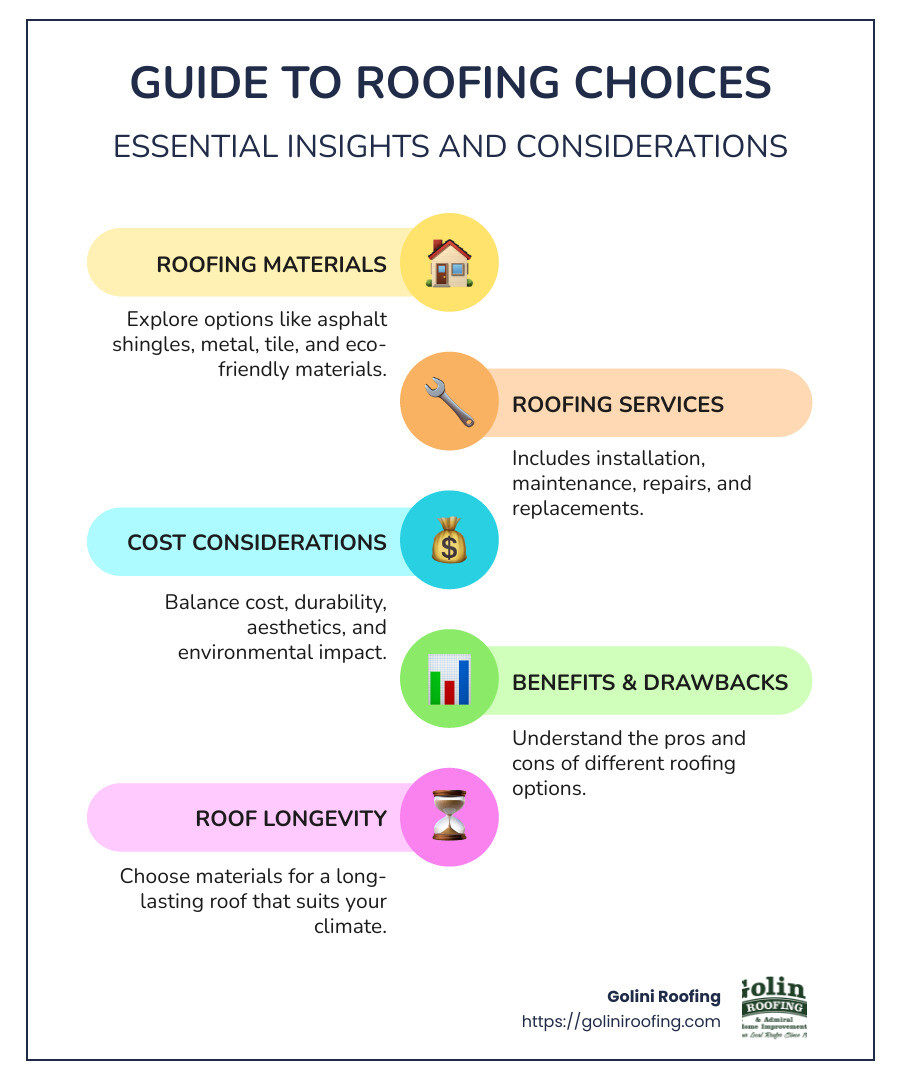
- Roofing Materials: Options include asphalt shingles, metal, tile, and eco-friendly alternatives.
- Roofing Services: Encompass installation, maintenance, repairs, and replacements.
- Considerations: Balance cost, durability, aesthetics, and environmental impact when choosing materials and services.
A well-chosen roof not only improves your property’s curb appeal but also provides vital protection against inclement weather. The right Roofing solution can save you time, money, and stress in the long run.
As Jack Golini, an experienced roofing contractor from Golini Roofing, I’ve over 35 years of experience ensuring high-quality results and satisfied customers. My focus is on providing comprehensive Roofing solutions that are reliable, resilient, and meet your specific needs.
Know your Roofing terms:
– average cost to tear off and replace roof
– flat roof replacement
– roofing contractors
Types of Roofing Materials
Choosing the right roofing material is crucial for the longevity and aesthetics of your home. Let’s explore some popular options:
Asphalt Shingles
Asphalt shingles are the most common roofing material for residential homes. They’re affordable, easy to install, and come in a variety of colors and styles. These shingles are also durable, with options like architectural and 3-tab shingles providing different levels of thickness and durability. One of the main advantages is the ability to replace individual shingles, which makes maintenance easier.
Metal Roofing
Metal roofing is known for its durability and low maintenance. It’s an excellent choice for those seeking a long-lasting solution. Metal roofs, such as those made from steel, aluminum, or copper, are resistant to fire, wind, and water. They reflect heat, which can help reduce cooling costs in hot climates. Metal roofing options include corrugated panels, ribbed panels, and standing seam, each offering unique benefits in terms of aesthetics and weather resistance.
Tile Roofing
Tile roofing offers a distinctive and classic look. Made from materials like clay or concrete, tiles are durable and can withstand harsh weather conditions. They are also energy efficient, providing excellent insulation. However, tile roofs can be heavier and may require additional structural support, which can increase installation costs.
Eco-Friendly Materials
For those looking to minimize their environmental impact, eco-friendly roofing materials are a great option. These materials include recycled metal, rubber roofing made from recycled tires, and solar shingles. Eco-friendly options not only reduce waste but also offer benefits like improved energy efficiency and potential cost savings on energy bills.

When selecting a roofing material, consider factors like cost, durability, aesthetics, and environmental impact. Each type of material has its unique benefits, so choose the one that best fits your needs and preferences.
Benefits and Drawbacks of Popular Roofing Options
When it comes to selecting a roofing material, it’s important to weigh the pros and cons of each option. Here’s a closer look at some of the most popular choices:
Asphalt Shingles
Benefits:
- Affordability: Asphalt shingles are one of the most cost-effective roofing materials available, making them a popular choice for budget-conscious homeowners.
- Ease of Installation: They are relatively easy to install, which can reduce labor costs and time.
- Variety: Available in a wide range of colors and styles, asphalt shingles can complement any home design.
- Repairability: You can replace individual shingles if they become damaged, simplifying maintenance.
Drawbacks:
- Lifespan: While durable, asphalt shingles typically last 20-30 years, which is shorter than some other materials.
- Environmental Impact: They are not the most eco-friendly option, as they are petroleum-based and not easily recyclable.
Metal Roofing
Benefits:
- Durability: Metal roofs can last 50 years or more with proper maintenance.
- Energy Efficiency: They reflect sunlight, which can help reduce cooling costs in hot climates.
- Low Maintenance: Metal roofs require little maintenance and are resistant to common roofing problems like mold and mildew.
Drawbacks:
- Cost: The initial cost of metal roofing is higher than asphalt shingles.
- Noise: Without proper insulation, metal roofs can be noisy during rain or hailstorms.
Tile Roofing
Benefits:
- Longevity: Tile roofs can last over 100 years, offering a great return on investment.
- Aesthetic Appeal: They provide a unique and classic look, enhancing the curb appeal of your home.
- Fire Resistance: Tiles are non-combustible, providing excellent fire protection.
Drawbacks:
- Weight: Tile roofs are heavy and may require additional structural support.
- Cost: They are more expensive to install and repair compared to other options.
Eco-Friendly Materials
Benefits:
- Sustainability: Options like recycled metal and rubber roofing reduce waste and environmental impact.
- Energy Savings: Materials such as solar shingles can generate electricity, reducing energy bills.
- Innovative Designs: Eco-friendly roofs often incorporate modern designs and technology.
Drawbacks:
- Availability: Some eco-friendly materials may be less readily available, depending on your location.
- Cost: Initial costs can be higher, though long-term savings may offset this.
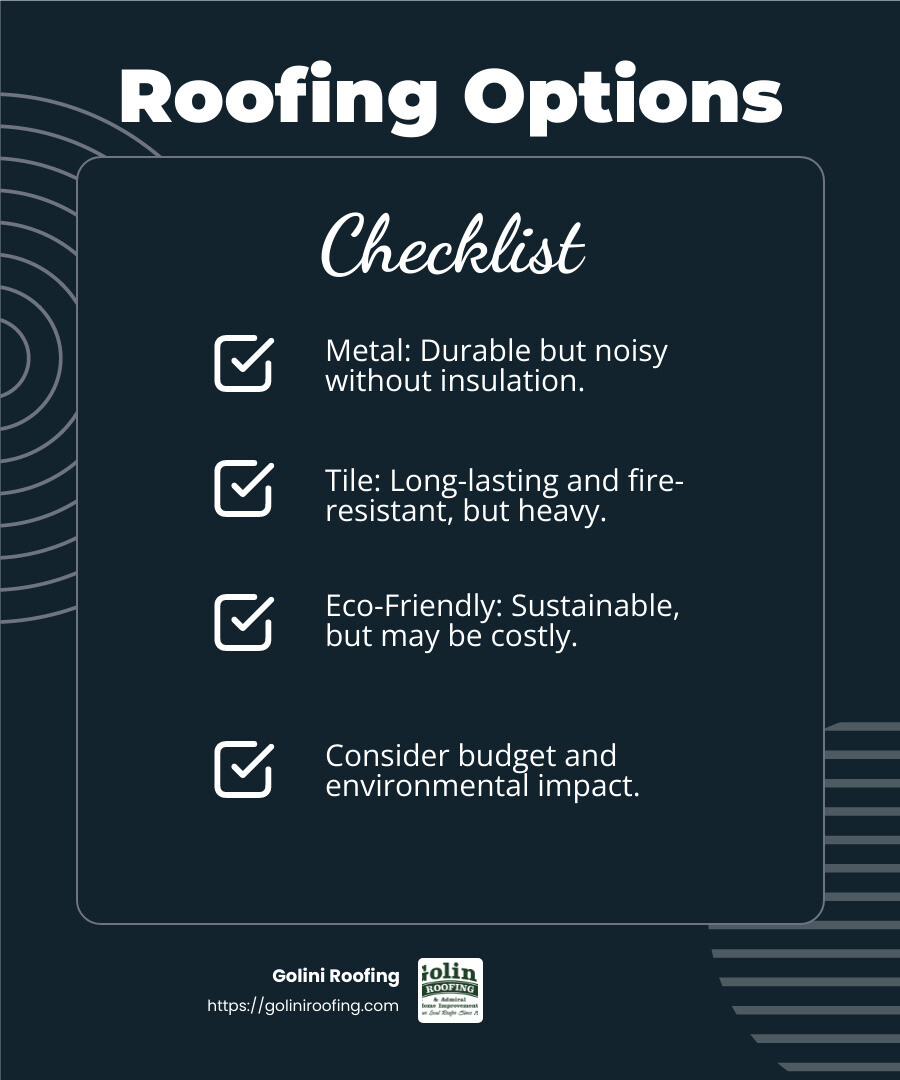
Choosing the right roofing option involves considering factors like budget, aesthetic preferences, and environmental impact. Each material offers unique benefits and challenges, so select the one that aligns with your needs and goals.
Roofing Installation and Maintenance
Installing a roof is a critical part of home construction or renovation. Whether you’re dealing with a new build or a replacement, getting it right is key to protecting your home. Here’s a breakdown of what you need to know about roof installation and maintenance.
Roof Installation
Planning and Preparation: Before installing a roof, it’s important to plan thoroughly. This involves selecting the right materials, understanding the roof’s design, and ensuring that the structure can support the chosen roofing material. For instance, tile roofing requires more support due to its weight, while metal roofing is lighter and easier to handle.
Professional Installation: While some DIY enthusiasts might consider installing a roof themselves, it’s generally recommended to hire professionals. Roofing involves working at heights and requires specialized knowledge to ensure safety and quality. A professional installation also often comes with warranties, providing peace of mind for homeowners.
Installation Process: The installation process varies depending on the material. For instance, asphalt shingles are laid in overlapping rows, while metal panels might be interlocked or overlapped. Proper installation is crucial for preventing leaks and ensuring the longevity of the roof.
Roof Maintenance
Regular maintenance is vital for extending the lifespan of your roof and preventing costly repairs. Here are some key maintenance tasks:
Inspections: Schedule regular roof inspections, ideally twice a year—in spring and fall. Inspections help identify potential issues like cracked shingles, loose flashing, or signs of water damage early on.
Cleaning: Keep your roof clean by removing debris such as leaves and branches. Debris can trap moisture, leading to mold and rot. Additionally, cleaning your roof helps prevent the growth of algae and moss, which can damage roofing materials over time.
Gutter Maintenance: Ensure gutters are clear of debris to prevent water buildup. Clogged gutters can cause water to back up and seep under the roof, leading to leaks and water damage.
Roof Repairs
Even with regular maintenance, roofs can develop issues that require repair. Promptly addressing these problems can save you from more extensive damage. Common repairs include:
Shingle Replacement: If you notice damaged or missing shingles, replace them promptly to prevent leaks. Asphalt shingles are particularly easy to replace individually.
Leak Repairs: Leaks can lead to significant water damage if not addressed quickly. Identifying the source of a leak can be challenging, so professional assistance might be necessary.
Flashing Repairs: Flashing around vents, chimneys, and skylights can become loose or damaged, leading to leaks. Ensure that flashing is secure and properly sealed.
By staying on top of maintenance and addressing repairs promptly, you can ensure your roof remains in excellent condition, providing reliable protection for your home.
Cost Considerations for Roofing
When it comes to roofing, understanding the costs involved can help you make informed decisions. Whether you’re considering a repair or a full replacement, here’s what you need to know.
Roof Repair Costs
Roof repairs are a common necessity, whether due to storm damage or regular wear and tear. Minor repairs, like replacing a few shingles or fixing a small leak, are generally more affordable. They can range from $150 to $1,500, depending on the extent of the damage and the materials needed.
Major repairs may involve larger sections of the roof or structural issues, which can significantly increase costs. These can range from $1,500 to $7,000 or more. While major repairs are costlier, they are crucial for maintaining the roof’s integrity and preventing further damage.
Roof Replacement Costs
Replacing a roof is a significant investment, but it ensures long-term protection for your home. Roof replacement costs vary widely depending on factors like the size of the roof, the materials chosen, and the complexity of the installation.
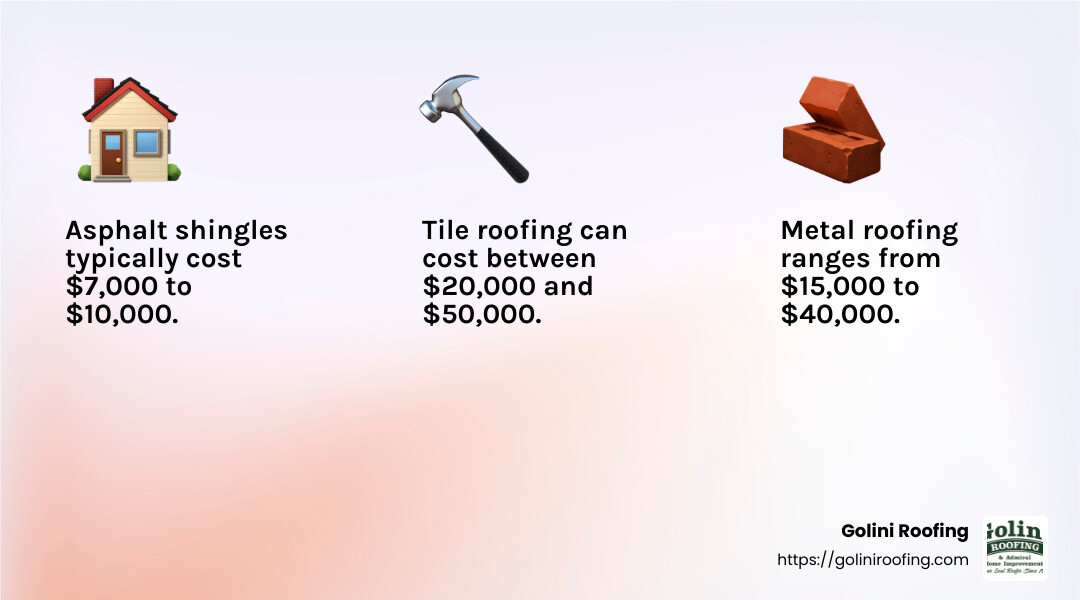
- Asphalt shingles are the most cost-effective option, typically costing around $7,000 to $10,000 for a standard-sized roof.
- Metal roofing can be more expensive, ranging from $15,000 to $40,000, but offers durability and lower maintenance costs.
- Tile roofing is another option, with costs ranging from $20,000 to $50,000, depending on the material and design.
Roofing Warranties
When investing in roofing, understand the warranties available. Manufacturer warranties typically cover defects in the roofing material, while contractor warranties cover the installation process. These warranties vary in length and coverage, so it’s important to read the details carefully.
- Material Warranties: These can range from 10 to 50 years, depending on the material. For instance, asphalt shingles often come with a 20- to 25-year warranty, while metal roofs might offer a 40- to 50-year warranty.
- Workmanship Warranties: These usually cover a shorter period, often ranging from 1 to 10 years. A reputable contractor will offer a workmanship warranty to ensure quality installation.
Understanding these cost considerations can help you budget effectively and choose the best option for your home. Next, we’ll address some frequently asked questions about roofing to further assist you in making informed decisions.
Frequently Asked Questions about Roofing
What type of roof is the cheapest?
When it comes to affordability, asphalt shingles are the go-to choice for many homeowners. They’re not only budget-friendly but also easy to install and maintain. Typically, the cost of installing asphalt shingles ranges from $7,000 to $10,000 for a standard-sized roof. This makes them a popular option for those looking to balance cost with durability.
How to calculate a roof?
Calculating the area of your roof is essential for estimating costs and materials needed. Here’s a simple way to do it:
- Measure the Length and Width: Use a tape measure to find the length and width of each section of your roof.
- Calculate the Area: Multiply the length by the width to get the area of each section.
- Add All Sections: If your roof has multiple sections, add the areas together to get the total roof area.
- Adjust for Pitch: Roofs with a steep pitch require more materials. Multiply the total area by a pitch factor (usually between 1.25 and 1.5) to adjust for the slope.
This calculation gives you a rough estimate of the roof area. It’s always a good idea to consult with a professional for precise measurements.
How long can you expect your roof to last?
The lifespan of a roof depends on the materials used and how well it’s maintained. Here’s a quick overview:
- Asphalt shingles: Typically last 20 to 25 years. Regular maintenance, like cleaning gutters and inspecting for damage, can extend their life.
- Metal roofing: Known for its durability, metal roofs can last up to 70 years. They require minimal maintenance and are resistant to fire and pests.
- Tile roofing: Offers a long lifespan of 50 to 100 years. While they are heavy and may require a strong frame, their durability makes them a wise investment.
Understanding the lifespan of different roofing materials can help you make informed decisions about repairs or replacements.
Conclusion
At Golini Roofing, we take pride in delivering exceptional roofing services that stand the test of time. With over 35 years of experience in the industry, we have honed our craft to provide both residential and commercial roofing solutions that not only meet but exceed our clients’ expectations.
Our commitment to quality is evident in our meticulous hand-nailing technique, which ensures each shingle is securely placed for maximum durability. This attention to detail sets us apart and guarantees that your roofing investment is protected for years to come.
We understand that choosing the right roofing contractor is a significant decision. That’s why we focus on customer satisfaction as our top priority. From the initial consultation to the final inspection, our team is dedicated to providing a seamless and stress-free experience. We listen to your needs, offer expert advice, and tailor our services to match your specific requirements.
Whether you need a roof repair, replacement, or a new installation, you can trust us to deliver high-quality results. Our expertise covers a range of materials, including asphalt shingles, metal roofing, and eco-friendly options, ensuring we have the perfect solution for your home or business.
In addition to our craftsmanship, we offer comprehensive warranties that give you peace of mind. Our warranties cover both materials and labor, reflecting our confidence in the longevity and reliability of our work.
Choosing Golini Roofing means choosing a partner committed to excellence, integrity, and your satisfaction. Contact us today for a consultation and let us show you why we are the premier roofing contractor in Massachusetts. Your roof is our reputation, and we are here to protect it.
