
Do I Need a Roof Inspection? 7 Crucial Reasons 2024
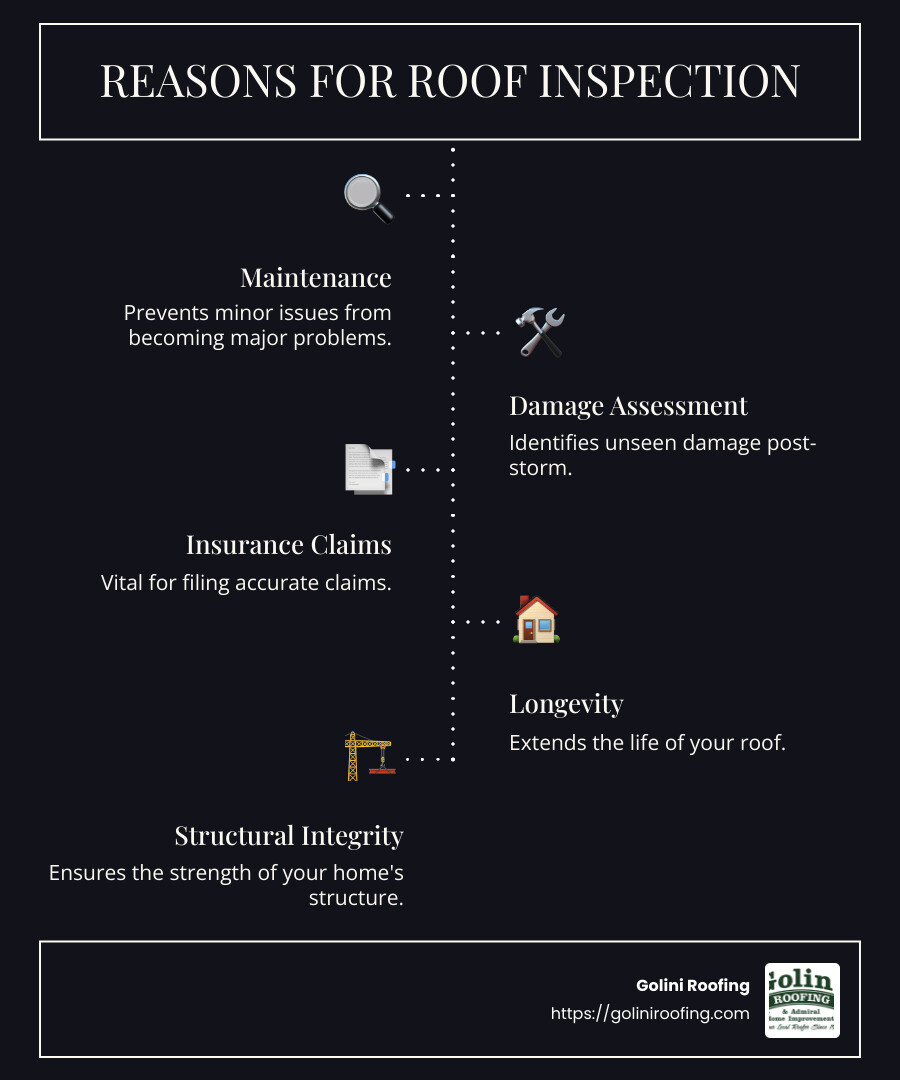
“Do i need a roof inspection” is a common question many homeowners ask, especially after a hail storm. The quick answer is yes, ensure your roof is in good condition. Here are the key reasons why:
- Maintenance: Regular inspections can prevent minor issues from becoming major problems.
- Damage Assessment: After a storm, inspections identify unseen damage that might affect your home.
- Insurance Claims: An inspection is often vital for filing accurate and effective insurance claims.
- Longevity: Consistent inspections can significantly extend the life of your roof.
A roof is more than just protection from the elements; it’s a critical component of your home’s structural integrity. The harsh conditions in the North Shore area make routine inspections even more crucial. Homeowners focused on quality craftsmanship and minimal disruption should prioritize these checks for peace of mind.
I’m Jack Golini, and I’ve been in the roofing industry for over 35 years. With this experience, I can confidently address the question “do i need a roof inspection” and provide expertise to maintain your roof’s lifespan and health efficiently.
Do i need a roof inspection terms to learn:
– certified roof inspector
– free roofing inspection
– roofing certification
The Importance of Roof Inspections After a Hail Storm
Hail storms can be more than just a noisy inconvenience. They can leave behind significant damage to your roof, which might not always be visible at first glance. “Do I need a roof inspection?” is a critical question to ask after such an event. Let’s dig into why these inspections are so important:
Hail Damage
Hail can cause a range of issues, from minor cosmetic damage to serious structural problems. Even small hailstones can lead to tears in roofing materials, loose shingles, or missing granules. These issues can expose your roof to the elements, accelerating wear and tear. Without timely inspection, what might seem like a small problem can quickly escalate into a costly repair.
Roof Health
Your roof is a complex system designed to protect your home from the elements. After a hail storm, it’s crucial to assess its condition. Regular inspections ensure that your roof remains in good health, providing the protection your home needs. A proactive approach can prevent minor damage from becoming a major headache.
Insurance Claims
If your roof has been damaged by a hail storm, an inspection is often the first step in filing an insurance claim. Documenting the damage accurately is essential for a successful claim. Many homeowners find that combining a physical inspection with a drone inspection provides comprehensive evidence of damage. This can be invaluable when negotiating with your insurance company.
Protecting Your Investment
Think of your roof as a long-term investment. Regular inspections, especially after severe weather, help protect this investment. They ensure any damage is caught early, potentially saving you thousands in repairs or a premature replacement.
In summary, after a hail storm, a roof inspection is not just advisable—it’s essential. It ensures your roof’s health, supports insurance claims, and ultimately protects your home and investment. Next, we’ll explore the signs that indicate you need a roof inspection after a hail storm.
Signs You Need a Roof Inspection After a Hail Storm
After a hail storm, check for damage that might not be obvious right away. Here are some signs you should look for to decide if a roof inspection is necessary:
Visible Shingle Damage
Start by examining your shingles. Look for any that are curled, cracked, or missing. Hail can cause shingles to loosen or break, which may lead to leaks. Even if the damage seems minor, it can become a bigger issue if not addressed promptly.
Gutter Problems
Check your gutters for any dents or damage. Hail can cause gutters to bend or break, affecting water drainage. Also, look for shiny granules from shingles in the gutters. This indicates that the shingles are eroding, which weakens your roof’s ability to protect your home.
Dents or Scratches
From the ground, inspect the areas around roof features like chimneys and skylights. Look for dents or scratches caused by hail. Pay special attention to the flashing around these features, as damage here can lead to leaks.
Moisture in the Attic
Even if your roof looks fine from the outside, go into the attic and check for any signs of moisture. Hail damage can create small openings that allow moisture in, raising humidity levels. This can lead to mold or further structural damage.
Warped Rafters
Rafters in the attic should be straight and dry. If you notice any warping or wet spots, it’s a sign of water damage. This could be due to hail creating openings in the roof that let water in. Warped rafters need immediate attention to prevent further damage.
Stains on Ceilings
Look at your ceilings for any new stains or discoloration. These can indicate a leak caused by hail damage. Even small spots can be a sign of a larger problem, so it’s important to address them quickly.
Peeling Paint
Check for peeling or blistering paint near your roofline. This can be a sign of moisture buildup due to poor ventilation or damage from the hail. Peeling paint is often an early warning sign that your roof needs attention.
Identifying these signs early can save you from costly repairs in the future. If you notice any of these issues, it’s time to call in a professional for a roof inspection. Up next, we’ll discuss how often you should get your roof inspected to keep it in top condition.
How Often Should You Get Your Roof Inspected?
Regular roof inspections are crucial for maintaining the health of your roof and preventing costly repairs. But how often should you schedule them? Let’s break it down.
Annual Inspections
It’s a good idea to have your roof inspected at least once a year. This helps catch any minor issues before they become major problems. An annual inspection can identify wear and tear, minor leaks, or other issues that could lead to bigger headaches if left unchecked.
Post-Storm Inspections
After a big storm, especially one with hail or strong winds, it’s wise to schedule a roof inspection. Even if you don’t see visible damage, there could be hidden issues like loose shingles or damaged flashing. A post-storm inspection ensures that any potential damage is documented and addressed promptly.
Roof Age Considerations
The age of your roof plays a significant role in how often you should have it inspected. Older roofs, typically those over 10 years, may need more frequent check-ups. As roofs age, they become more susceptible to damage from weather and general wear. Therefore, bi-annual inspections might be a smart move for older roofs to catch any issues early.
By sticking to a regular inspection schedule, you can extend the life of your roof and avoid unexpected, costly repairs. Up next, we’ll explore the importance of roof inspections for insurance claims.
Do I Need a Roof Inspection for Insurance Claims?
If your roof recently endured a hail storm, you might be wondering: “Do I need a roof inspection for insurance claims?” The short answer is yes. Here’s why.
Insurance Coverage and Documentation
Insurance companies often require detailed documentation to process claims for roof damage. A professional roof inspection provides this essential evidence. It includes a comprehensive report and photographs that clearly show the extent of the damage.
Without proper documentation, your insurer might deny your claim, leaving you to cover repair costs yourself. So, getting an inspection is not just a good idea—it’s a necessary step in securing the financial support you deserve.
The Role of Drone Inspections
Drone technology has revolutionized roof inspections. Drones can capture high-resolution images and videos of your roof, providing a detailed view of damage that might be hard to see from the ground or even a ladder.
Using drone inspections alongside traditional methods can strengthen your insurance claim. The aerial perspective offers clear, indisputable proof of damage, which can be crucial when negotiating with your insurance company.
Quick Action is Key
Timing matters. After a storm, schedule your roof inspection as soon as possible. The quicker you document the damage, the stronger your case for a claim. Delays can lead to further damage, which might not be covered by your insurance policy.
In summary, if you’re dealing with storm damage, a roof inspection is a crucial step in the insurance claim process. It’s your best bet for ensuring you’re covered, and it provides peace of mind knowing your roof is secure.
Next, we’ll look at how you can perform a basic roof inspection yourself.
How to Perform a Basic Roof Inspection Yourself
Performing a basic roof inspection yourself can save time and help you spot potential issues early. Here’s a simple guide to get you started.
Visual Inspection
Start by walking around your home and looking at the roof from the ground. Use binoculars if needed. Look for missing or curled shingles, discoloration, and any debris that might have piled up. Check for birds or animals nesting, which can cause damage.
Tip: Stand across the street or at a distance for a broader view of your roof’s condition.
Attic Check
If you have access to your attic, inspect it for signs of water damage. Look for stains, dampness, or mold on the wood. These could indicate a leak. Use a flashlight to see better and chalk to mark any suspicious spots.
Remember: A damp, clammy feeling in the attic could mean outside air is getting in, signaling roof damage.
Shingle Condition
Once you’ve checked from the ground and the attic, it’s time to focus on the shingles. Look for visible damage like cracks, curls, or missing pieces. These are signs that your shingles may need repair or replacement.
Note: Even one missing shingle can lead to leaks, so don’t overlook small issues.
Gutter Examination
Finally, examine your gutters. Ensure they are clean and free of debris. Check for shiny granules from shingles, which indicate wear. Make sure downspouts are firmly attached and directing water away from the house.
Fact: Poorly functioning gutters can lead to foundation damage, so keeping them clear is essential.
By following these steps, you can assess your roof’s condition and decide if professional help is needed. Regular checks can prevent small issues from becoming big problems.
Frequently Asked Questions about Roof Inspections
What is the overall goal of the roof inspection?
The primary goal of a roof inspection is to assess the condition of your roof and identify any existing or potential problems. This includes checking for wear and tear, damage from weather events like hail storms, and ensuring that all roof components are functioning properly. An inspection helps in maintaining the roof’s health, prolonging its lifespan, and preventing costly repairs down the line.
How to handle a bad roofing job in the UK?
If you’ve experienced a poor roofing job in the UK, the first step is to document all issues with photos and detailed notes. Contact the contractor who did the work and give them a chance to fix the problems. If they refuse or the issue persists, you may need to seek legal advice or contact a local trade association for mediation. It’s also helpful to get an independent roof inspection to provide an unbiased assessment of the work done, which can be crucial if you need to pursue further action.
Do I need a roof inspection after a roof replacement?
Yes, you should get a roof inspection after a roof replacement. It’s beneficial to schedule maintenance inspections annually to catch any issues early. Regular inspections after a replacement can help maximize your roof’s lifespan and protect your investment.
Tip: Many roofing contractors, like Golini Roofing, offer maintenance programs to keep your roof in top condition, which can save you money in the long run by preventing minor issues from becoming major problems.
Conclusion
In conclusion, regular roof inspections are crucial for maintaining the long-term health of your roof. At Golini Roofing, we understand that your roof is more than just a covering over your head—it’s a key component of your home’s structure and safety. Whether you’ve recently weathered a hail storm or simply want to ensure your roof is in top-notch condition, professional inspections can make all the difference.
Why Choose Golini Roofing?
With over 35 years of experience in the roofing industry, Golini Roofing offers meticulous craftsmanship and exceptional customer service. Our commitment to hand-nailing each shingle ensures that your roof is not only durable but also crafted with care and precision. This attention to detail sets us apart in the Massachusetts area, where we proudly serve both residential and commercial clients.
The Benefits of Professional Inspections
Professional inspections help identify potential issues before they become major problems. This proactive approach not only extends the lifespan of your roof but also saves you money on costly repairs. Plus, in the event of storm damage, a thorough inspection can provide the necessary documentation for insurance claims.
Long-Term Roof Health
Maintaining your roof’s health requires regular check-ups. We recommend scheduling annual inspections and after any significant weather events. By doing so, you ensure that your roof remains in excellent condition, providing reliable protection for your home or business.
For more information on our roofing services, visit our Roofing Services page. Let Golini Roofing help you protect your investment and ensure the longevity of your roof.
