How Long Do Residential Roofs Last? Top 5 Tips 2024
How long do residential roofs last? This is a crucial question for homeowners who want to protect their investment and ensure the durability of their home. The longevity of your roof depends largely on the materials used, with lifespans ranging from 15 to 100 years. Here’s a quick summary:
- Asphalt Shingles: 15-30 years
- Metal Roofs: 40-70 years
- Slate and Tile Roofs: 50-100+ years
Roof lifespan isn’t just about the material. Factors like climate, quality of installation, and maintenance play significant roles in determining how long your roof will last. Harsh weather conditions, poor workmanship, and neglect can significantly reduce a roof’s lifespan, which is why regular maintenance is key to ensuring longevity and functionality.
I’m Jack Golini, with over 35 years of experience in the roofing industry, particularly in the North Shore area. From shingles to slate, understanding how long do residential roofs last and what affects this lifespan is vital in helping you make informed decisions about your roofing investments.
How long do residential roofs last terms at a glance:
– residential roof installation
– residential roofing repair
– what is residential roofing
How Long Do Residential Roofs Last?
When it comes to how long do residential roofs last, the type of material you choose plays a big role. Let’s break down the average lifespans of the most common roofing materials:
Asphalt Shingles
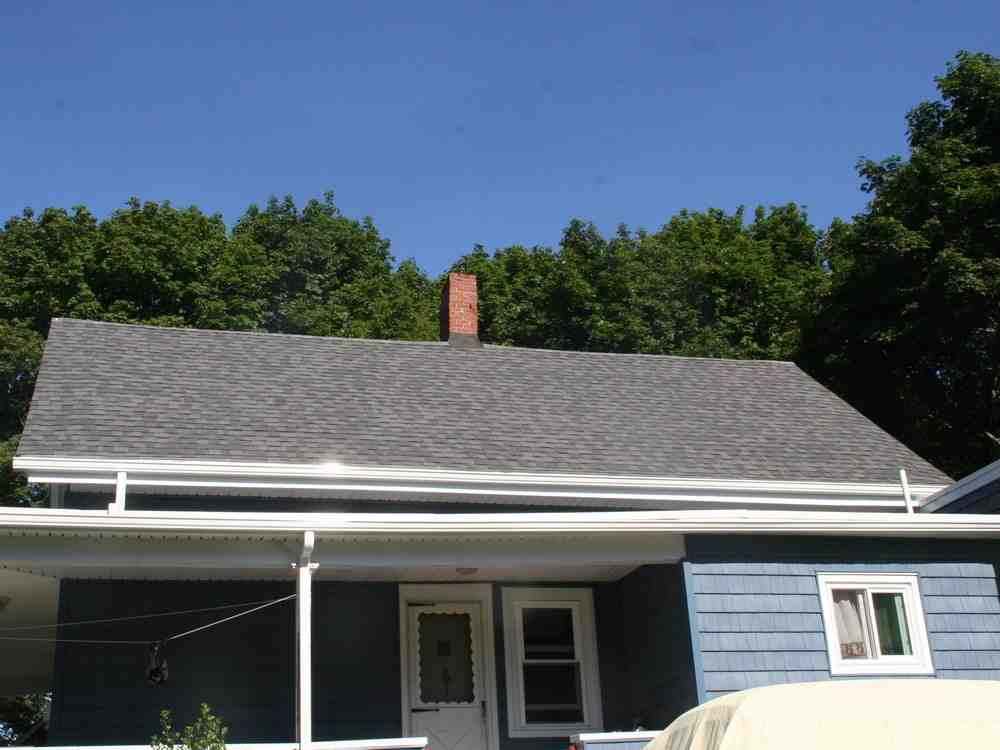
Asphalt shingles are a popular choice for many homeowners due to their affordability and ease of installation. They typically last between 15 to 30 years. These shingles come in two main types: three-tab shingles and architectural shingles. Three-tab shingles are the more budget-friendly option but have a shorter lifespan, while architectural shingles are thicker and more durable, often reaching the upper end of the lifespan range.

While asphalt shingles are easy on the wallet, they may not offer the same durability as other materials. Regular maintenance and prompt repairs can help extend their lifespan, but homeowners should be prepared for more frequent replacements compared to other roofing options.
Metal Roofs
Metal roofs are becoming increasingly popular due to their durability and long lifespan. Depending on the quality of the metal and the installation, these roofs can last between 40 to 70 years. Metal roofing materials include steel, aluminum, and copper, each offering unique benefits. For example, copper roofs can last even longer and develop a beautiful patina over time.
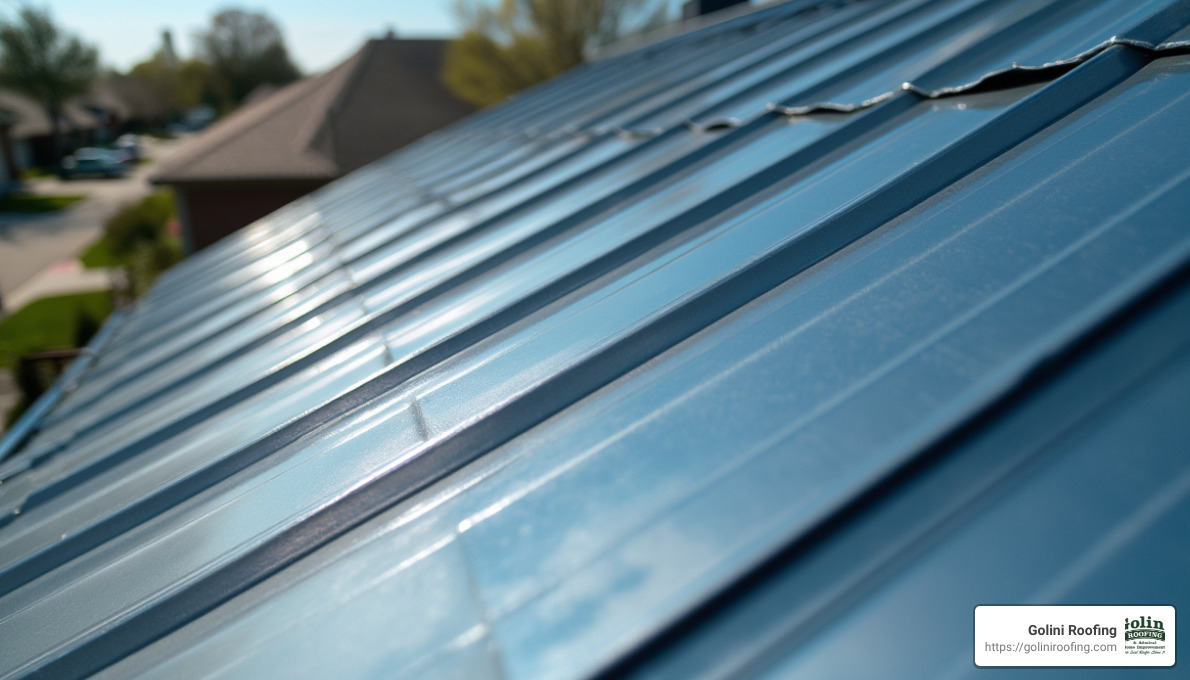
Metal roofs are not only durable but also resistant to fire, insects, and rot. They are an excellent choice for homeowners looking for a long-term investment. Although the initial cost is higher than asphalt shingles, the longevity and low maintenance needs often make metal roofs a cost-effective option in the long run.
Slate and Tile Roofs
For those seeking a premium roofing option, slate and tile roofs are hard to beat. These roofs boast lifespans of 50 to over 100 years, making them some of the longest-lasting roofing materials available. Slate tiles, in particular, are known for their durability and resistance to harsh weather conditions, making them ideal for climates with extreme weather.
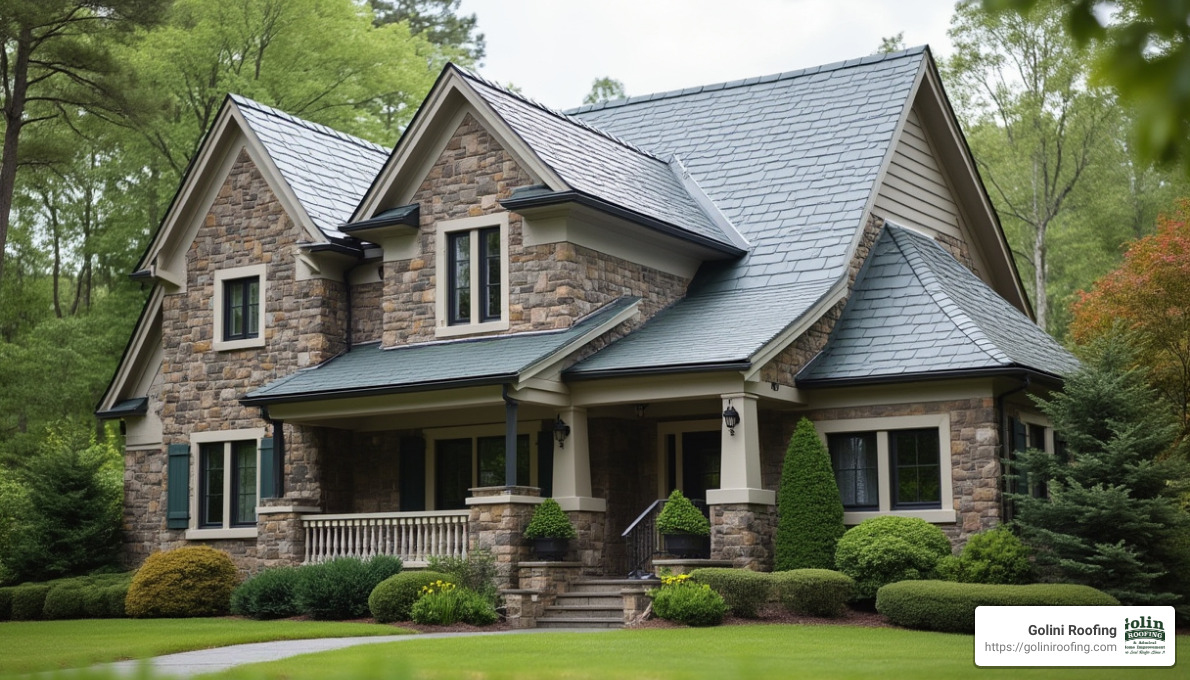
While slate and tile roofs are undeniably attractive and long-lasting, they come with a hefty price tag and require professional installation due to their weight. Homeowners should consult with a structural engineer to ensure their home can support the weight of these materials. Despite the cost, the longevity and aesthetic appeal of slate and tile roofs make them a worthy investment for many.
Understanding the lifespan of different roofing materials can help you make informed decisions about your home. Whether you choose the affordability of asphalt shingles, the durability of metal, or the timeless elegance of slate, knowing how long do residential roofs last is key to protecting your investment.
Factors Influencing Roof Longevity
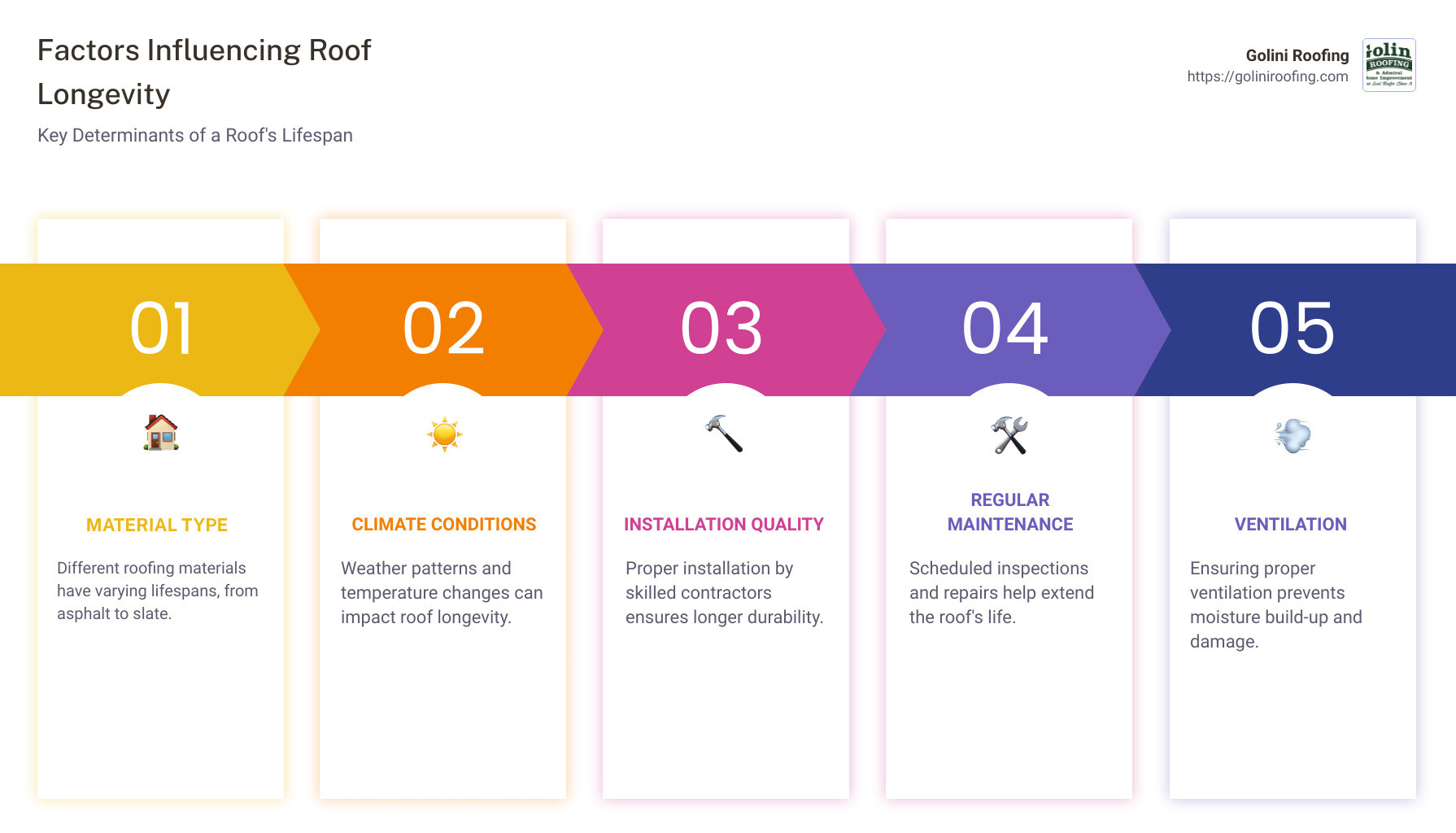
Several factors can significantly affect how long your roof will last. Let’s explore the most critical ones: climate, quality of installation, and regular maintenance.
Climate Impact
The climate where you live plays a huge role in determining your roof’s lifespan. Temperature fluctuations can cause roofing materials to expand and contract, leading to cracks and splits. This is particularly a concern in areas with hot summers and cold winters, like the Midwest.
Storm damage is another significant factor. High winds, hail, and heavy rain can all take a toll on your roof. For example, hail can leave divots in shingles, while strong winds might strip away protective layers. In regions prone to extreme weather events, choosing a durable roofing material is crucial.
Quality of Installation
Even the best materials won’t last if they’re not installed correctly. Hiring a licensed contractor ensures that your roof is installed to industry standards, which can significantly extend its lifespan. Reputable contractors typically use high-quality materials and offer warranties that cover installation defects.
Workmanship is crucial. Poor installation can lead to issues like leaks or improper ventilation, which can shorten your roof’s life. Always check a contractor’s qualifications, insurance, and customer reviews before hiring.
Regular Maintenance
Think of roof maintenance like a regular health check-up. Annual inspections can catch minor issues before they become major problems. During these inspections, professionals can spot damaged shingles, leaks, or signs of wear and tear.
Proactive repairs are key to extending your roof’s life. Fixing small problems early, like a tiny leak or a few missing shingles, can prevent costly damage in the future. Regularly cleaning gutters and removing debris also helps maintain your roof’s structural integrity.
By understanding these factors, homeowners can make informed decisions to protect their investment and ensure their roof lasts as long as possible. Next, we’ll explore tips for extending your roof’s lifespan.
Tips for Extending Roof Lifespan
When it comes to making your roof last longer, two key areas to focus on are material selection and ventilation and drainage. Let’s explore how these can help extend your roof’s life.
Material Selection
Choosing the right material for your roof is crucial. Different materials have different lifespans and suit various climates. For instance, asphalt shingles are budget-friendly and can last 15-30 years, but they may not be the best choice for areas with extreme weather. On the other hand, metal roofs are known for their durability, lasting 40-70 years, and are excellent for shedding snow and ice, making them ideal for cold climates.
Slate and tile roofs are premium options that can last over 100 years. They’re perfect for regions with long sunny seasons due to their ability to reflect sunlight and resist heat. However, these materials are heavier, so your home must have the structural support to handle them.
When selecting a roofing material, consider your local climate and how it might affect durability. For example, areas with frequent hailstorms might benefit from tougher materials like metal or slate. Always aim for materials that align with your climate’s demands.
Ventilation and Drainage
Proper ventilation and drainage are critical to maintaining a consistent temperature in your attic and preventing moisture buildup. This not only helps in extending the roof’s lifespan but also improves your home’s energy efficiency.
Ventilation ensures that hot air doesn’t get trapped in the attic, which can cause roofing materials to degrade faster. It also prevents moisture from building up, which can lead to mold and rot. Make sure your roof has adequate vents and that they are not blocked by debris or insulation.
Effective drainage is equally important. Water should flow off your roof easily, which means gutters need to be clear of leaves and debris. Clogged gutters can lead to water pooling on the roof, increasing the risk of leaks and water damage. Regular cleaning and installing gutter guards can help prevent these issues.
By focusing on these areas, you can significantly extend your roof’s lifespan. Choose materials that suit your climate and ensure your roof has proper ventilation and drainage systems in place. Up next, we’ll answer some frequently asked questions about roof longevity.
Frequently Asked Questions about Roof Longevity
How often should you replace your roof?
The frequency of roof replacement largely depends on the type of roofing material and the environmental conditions it faces. Asphalt shingles, the most common type, typically last between 15 and 30 years. Metal roofs offer a longer lifespan, ranging from 40 to 70 years. Slate and tile roofs are the champions of longevity, often exceeding 100 years.
However, these are just averages. Factors like climate, maintenance, and installation quality can shorten or extend these timelines. Regular inspections and maintenance can help identify issues early, potentially extending your roof’s life.
What is the longest-lasting roofing material?
When it comes to durability, slate roofs take the crown. Slate can last over 150 years if properly maintained. It’s not just long-lasting but also highly resistant to fire and weather damage.
Clay and concrete tiles also boast impressive longevity, often lasting 50 to 100 years. These materials are especially popular in regions with high sun exposure due to their reflective properties.
For homeowners looking for longevity without the weight of slate or tiles, metal roofs are a great alternative, lasting up to 70 years.
How does color affect roof lifespan?
The color of your roof can influence its lifespan, primarily through its impact on heat absorption. Lighter-colored roofs reflect more sunlight and absorb less heat, which can help in reducing thermal expansion and contraction. This can lead to a longer lifespan, especially in hot climates.
On the other hand, darker roofs absorb more heat, which can increase wear and tear over time, particularly in regions with significant temperature fluctuations. This can lead to faster degradation of roofing materials.
Choosing a roof color that suits your climate can help in managing temperature, reducing energy costs, and potentially extending the roof’s life.
In the next section, we’ll wrap up with insights on Golini Roofing’s commitment to craftsmanship and customer satisfaction.
Conclusion
At Golini Roofing, we believe that a roof is more than just a cover over your head—it’s an investment in your home’s future. With over 35 years of experience in the roofing industry, we have honed our craft to provide our customers with roofs that stand the test of time. Our meticulous hand-nailing technique ensures that each shingle is securely fastened, offering durability and peace of mind.
Craftsmanship is at the heart of what we do. Our team of skilled professionals takes pride in every project, from the initial consultation to the final inspection. We understand that the quality of installation can significantly influence a roof’s longevity, so we never cut corners. Whether it’s a simple repair or a complete roof replacement, our commitment to excellence remains unwavering.
Customer satisfaction is our top priority. We know that choosing the right roofing contractor can be overwhelming, so we strive to make the process as seamless as possible. From helping you select the best materials for your specific needs to providing comprehensive warranties, we ensure that you feel confident in your choice. Our dedication to quality and service has earned us a reputation as a trusted roofing partner in Wakefield, MA, and beyond.
If you’re considering a new roof or need expert advice on how to extend the lifespan of your existing one, we’re here to help. Contact Golini Roofing today to learn more about our residential roofing services and how we can assist you in protecting your home with a roof built to last.
Experience the Golini Roofing difference—where craftsmanship meets customer satisfaction.