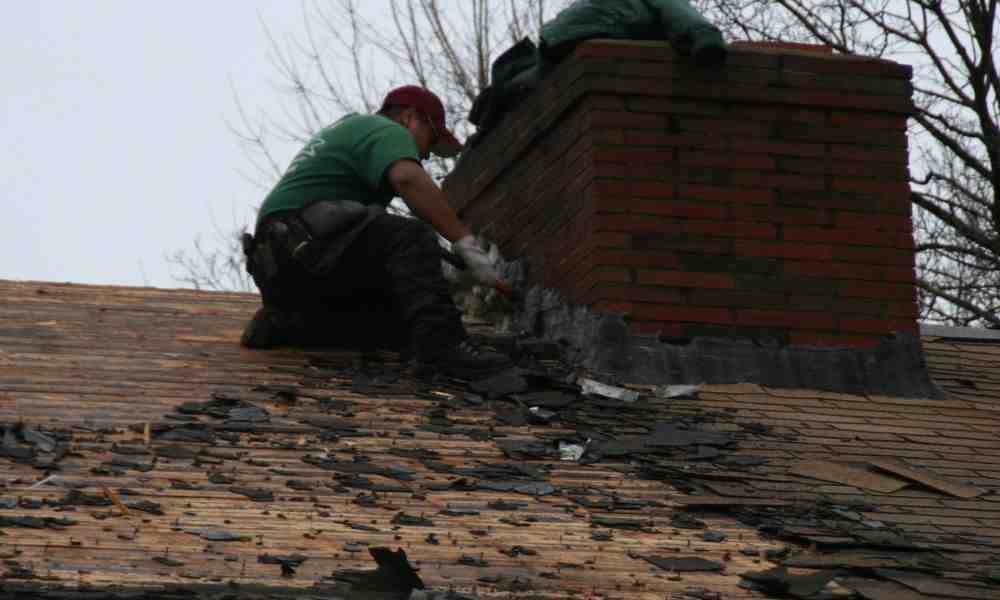
Why You Should Fix Roof Shingles Before Small Problems Become Big Ones
Fix roof shingles promptly and you can protect your home from water damage, energy loss, and costly structural repairs. Here’s a quick overview of how to do it:
How to fix roof shingles (quick summary):
- Identify the damage – Look for curled, cracked, missing, or blistering shingles
- Gather your tools – Pry bar, roofing nails, roofing cement, utility knife, replacement shingles
- Remove the damaged shingle – Lift surrounding shingles, pull nails, slide out the old shingle
- Install the replacement – Slide new shingle into place, nail securely (4-6 nails), seal edges with roofing cement
- Fix minor damage without replacing – Reseal curled shingles with roofing cement; fill cracks with sealant and press flat
Asphalt shingles cover nearly 70% of homes in the U.S. – and for good reason. They’re affordable, durable, and relatively easy to repair. But even the toughest shingles take a beating from wind, rain, hail, and sun over time. A single damaged shingle might not seem like a big deal. Left alone, though, it can quietly let water into your attic, walls, and ceilings – causing damage that costs far more to fix than the original shingle ever would have.
I’m Jack Golini, owner of Golini Roofing in Wakefield, MA, with over 35 years of experience helping North Shore homeowners fix roof shingles and keep their roofs in top shape through New England’s harsh weather. In this guide, I’ll walk you through exactly what to look for and how to handle the most common shingle repairs yourself – and when it’s time to call in a pro.
Essential Fix Roof Shingles terms:
Identifying When and Why to Fix Roof Shingles

Understanding the “why” behind roof repair is just as important as the “how.” In our 35 years of serving the Wakefield and Reading areas, we’ve seen how a tiny gap in a shingle can lead to a massive headache. Your roof is a multilayered system designed to be your home’s first line of defense. When you Fix Roof Shingles at the first sign of trouble, you aren’t just swapping out a piece of asphalt; you’re preserving the structural integrity of your entire house.
Statistics show that asphalt shingles cover nearly 70 percent of domestic roofing installations. While they are built to last—typically between 15 and 50 years depending on the quality—they aren’t invincible. In Massachusetts, we deal with everything from heavy snow loads in Winchester to high winds in Lynnfield. These elements can cause shingles to lift, crack, or lose their protective granules.
If you ignore these signs, you risk more than just a leak. Water intrusion can lead to mold growth in your attic, which is a health hazard for your family. Furthermore, wet insulation loses its R-value, meaning your heating and cooling bills will spike because your home can no longer regulate temperature efficiently. By learning How to Fix & Replace Damaged Roof Shingles, you can extend the lifespan of your roof and keep your hard-earned money in your pocket.
To help you decide whether you’re looking at a simple afternoon project or a job for our team, consider this comparison:
| Indicator | Minor Repair (DIY Possible) | Full Replacement (Call a Pro) |
|---|---|---|
| Shingle Condition | 1-5 shingles missing or curled | Widespread curling, cracking, or “balding” |
| Roof Age | Less than 15 years old | Over 20-25 years old |
| Leak Severity | Small, localized damp spot | Multiple leaks or sagging ceiling |
| Granule Loss | Minimal | Gutters filled with “sand” |
| History | First time seeing an issue | Frequent repairs needed every year |
Signs of Damaged Shingles or a Roof Leak
Detecting damage early is the secret to low-cost maintenance. We recommend a ground-based inspection at least twice a year—once in the spring and once in the fall—using a pair of binoculars. This allows you to spot issues without the risk of climbing a ladder.
Look for these red flags:
- Curling Edges: This happens when the asphalt dries out and becomes brittle. It can also be a sign of poor attic ventilation.
- Blistering: Small bubbles on the surface caused by trapped moisture or excessive heat.
- Missing Granules: These tiny stones protect the shingle from UV rays. If you see “bald spots” or find piles of granules in your gutters, the shingle is nearing the end of its life.
- Water Spots on Ceilings: If you see brown or yellow rings on your interior ceiling, water is already getting past your shingles and underlayment.
- Musty Odors: A persistent “old basement” smell in the attic often points to hidden mold caused by a slow leak.
For a deeper dive into these symptoms, check out our shingle-repair-services-complete-guide.
How to Find the Source of a Roof Leak
Finding the exact spot where water enters can be surprisingly tricky. Water rarely travels in a straight line; it often enters through a gap in the shingles, runs along a rafter, and finally drips onto your ceiling several feet away from the actual hole.
To find the culprit, start in your attic. Look for water stains, mold, or damp spots on the underside of the roof deck. If the weather is dry and you can’t find the spot, try the “garden hose test.” Have one person stay in the attic with a flashlight while another person gently sprays the roof with a hose. Start at the bottom and work your way up. When the person in the attic sees a drip, you’ve found your mark.
For more expert strategies on pinpointing leaks, read these 4 Tips for Repairing a Leaky Roof.
Essential Tools and Safety for Shingle Repair
Before you attempt to Fix Roof Shingles, you need the right gear. Using the wrong tool can actually cause more damage to the surrounding shingles, which are often fragile, especially on older roofs.
The DIY Roofing Toolkit:
- Flat Pry Bar (or “Cats Paw”): Essential for lifting shingles and pulling nails without tearing the asphalt.
- Utility Knife: For trimming shingles to fit perfectly.
- Hammer: A standard claw hammer works, though professional roofers use specialized roofing hammers.
- Roofing Cement (Sealant): Usually comes in a tube for a caulking gun or a tub for a putty knife.
- Galvanized Roofing Nails: Use 1-1/4 inch or 1-1/2 inch nails with large heads.
- Replacement Shingles: Try to match the color and style of your existing roof.
Safety First: We cannot stress this enough: roofing is dangerous. According to the National Roofing Contractors Association, fall protection is the most important part of any roof job.
- Never work alone. Always have someone on the ground to steady the ladder and call for help if needed.
- Wear non-slip shoes. Soft-soled work boots or sneakers with good grip are best.
- Use a safety harness. If your roof has a steep pitch (like many of the beautiful Victorian homes in Woburn or Stoneham), a fall arrest system is non-negotiable.
- Check the weather. Never work on a wet or dew-covered roof. The best time to Fix Roof Shingles is on a warm, dry afternoon when the shingles are pliable and less likely to crack.
Learn more about the technical side of these repairs in our guide on asphalt-shingle-roof-repair.
Step-by-Step Guide to Fix Roof Shingles
When it comes time to actually perform the repair, patience is your best friend. If you try to force a shingle that is stuck down by its adhesive strip, you’ll end up needing to replace three shingles instead of one.
1. Preparation
Choose a day when the temperature is between 60 and 80 degrees. If it’s too cold, shingles become brittle and snap like crackers. If it’s too hot, the asphalt becomes “gummy,” and you might leave scuff marks just by walking on them.
2. Loosen the Damaged Shingle
Slide your flat pry bar under the shingle directly above the damaged one. Gently wiggle it to break the sealant bond. You’ll need to do this for the row above the damage as well, as shingles overlap significantly.
3. Remove the Nails
Shingles are typically held in place by 4 to 6 nails. To remove the damaged piece, you must find and remove the nails that go through it, as well as the nails from the shingle above that pass through the top edge of the damaged one. Use your pry bar to lift the nail heads slightly, then pull them out.
4. Slide Out and Swap
Once the nails are out, the damaged shingle should slide right out. If it’s stuck, check for a “hidden” nail you might have missed. Take your new shingle and slide it into the gap. Align it with the shingles on either side to ensure the “tabs” line up correctly.
5. Nailing (The Golini Way)
At Golini Roofing, we specialize in hand-nailing. While many companies use nail guns, we believe hand-nailing each shingle provides superior accuracy and prevents the nail from being driven too deep (which can cause the shingle to blow off later). Drive 4 to 6 nails into the nailing strip of the new shingle.
6. Seal the Deal
Apply a small dab of roofing cement under each tab of the new shingle and the shingles you lifted above it. Press down firmly. This re-establishes the wind-resistant seal. For more details, see How To Replace Damaged Shingles | Home Improvement Resource and our own internal resource on replacing-roof-shingles.
How to Fix Roof Shingles That Are Curled
Curling is a common issue as roofs age. If the shingle is still relatively flexible and not missing granules, you can often save it without a full replacement.
- Clean the area: Use a brush to remove any dirt or debris from under the curled edge.
- Apply Sealant: Use a caulking gun to apply a generous bead of roofing sealant under the corner or edge.
- Weight it down: Press the shingle flat and place a brick or a heavy stone on it.
- Wait 24 hours: Leave the weight in place for at least a full day to allow the adhesive to set.
If the shingle is too brittle to flatten without snapping, it’s time to replace it. You can find more “easy fixes” in our article: dont-let-damaged-shingles-get-you-down-easy-fixes-for-your-roof.
How to Fix Roof Shingles with Cracks or Tears
A small crack doesn’t always require a new shingle. If you have a clean tear, you can perform a “shingle sandwich” repair.
- Seal underneath: Apply a thick bead of sealant under the crack.
- Press flat: Push the shingle down so the sealant oozes slightly through the crack.
- Seal the top: Apply another layer of sealant over the top of the crack and spread it smooth with a putty knife.
- The Pro Secret: To make the repair invisible, go to your gutters and grab a handful of loose granules. Sprinkle them over the wet sealant. This protects the sealant from UV rays and matches the texture of the rest of the roof.
This “pro” method is detailed further in roof-rescue-replace-missing-shingles-like-a-pro.
Addressing Problem Areas: Flashing, Vents, and Valleys
While shingles are the most visible part of your roof, the most common leak sources are actually the “penetrations”—the spots where things poke through your roof.
- Flashing: These are the metal bits around chimneys and dormers. Over time, the sealant around the edges can dry out and crack. You can often Fix Roof Shingles in these areas by simply cleaning out the old caulk and applying a fresh bead of high-quality roofing sealant.
- Plumbing Vents: These usually have a rubber “boot” around them. In the intense sun of a North Reading summer, that rubber can crack. If you see cracks, the boot needs to be replaced.
- Valleys: These are the “V” shapes where two roof planes meet. They carry a lot of water during a storm. If shingles are lifting in the valley, water can easily get underneath.
Repairing these areas is often more expensive than a single shingle fix. Based on internet data, average costs for minor flashing or vent repairs can range from $350 to over $1,500 depending on the complexity. Please note these are average costs based on internet data and not actual costs for Golini Roofing. To understand more about the financial side of these repairs, read the-real-cost-of-repairing-your-shingle-roof.
DIY vs. Professional: When to Call an Expert
We love a good DIY project, but your roof is the most important part of your home’s envelope. There are times when a “handyman” approach just isn’t enough.
Call a professional if:
- The roof is very steep: If you don’t feel 100% comfortable on a ladder or the pitch is intimidating, stay on the ground.
- The damage is widespread: If more than 10-15% of your shingles are curling or missing, you likely have a systemic issue like poor ventilation or an aging roof deck.
- You see sagging: This is a sign of structural damage to the rafters or plywood underneath. This is an emergency.
- The roof is over 20 years old: At this point, the shingles are likely too brittle to repair without causing more damage.
At Golini Roofing, we provide meticulous inspections for homeowners in Burlington, Wilmington, and throughout the North Shore. Sometimes, the best way to Fix Roof Shingles is to have an expert ensure the underlayment and decking are still sound.
Frequently Asked Questions about Shingle Repair
What is the best weather for fixing shingles?
The “Goldilocks” zone for roofing is a warm, dry afternoon (between 60°F and 80°F). If it’s too cold, shingles crack. If it’s too hot, the asphalt softens, and you risk damaging the shingles just by kneeling on them.
How do I know if I need a full roof replacement?
If you find yourself needing to Fix Roof Shingles every time the wind blows over 30 mph, or if you see widespread “cupping” (where the edges turn up) and “clawing” (where the centers sink), your roof has reached the end of its functional life. A professional inspection is the best way to be sure.
Can I reuse old shingles for a repair?
Generally, no. Once a shingle has been nailed down and weathered, it becomes molded to that specific spot. Trying to reuse an old shingle usually results in a poor seal and a roof that looks “patchy.” It’s always better to buy a matching bundle of new shingles.
Conclusion
Learning how to Fix Roof Shingles is a valuable skill for any homeowner. By catching small issues early, you can keep your home safe and dry for decades. However, a roof is only as good as its installation.
At Golini Roofing, we’ve spent over 35 years perfecting the art of the residential roof. Based in Wakefield, MA, we take pride in our “old school” approach—specifically our commitment to hand-nailing every single shingle. This ensures that every nail is perfectly placed and every shingle is secure against the toughest Massachusetts winters. Whether you are in Woburn, Lynnfield, or Reading, we are here to help when the DIY fixes aren’t enough.
If you’re unsure about the state of your roof or need a professional eye to evaluate your damage, don’t hesitate to reach out. We believe in craftsmanship that lasts. For more information on our services or to schedule an inspection, visit our page on how we fix-roof-shingles.