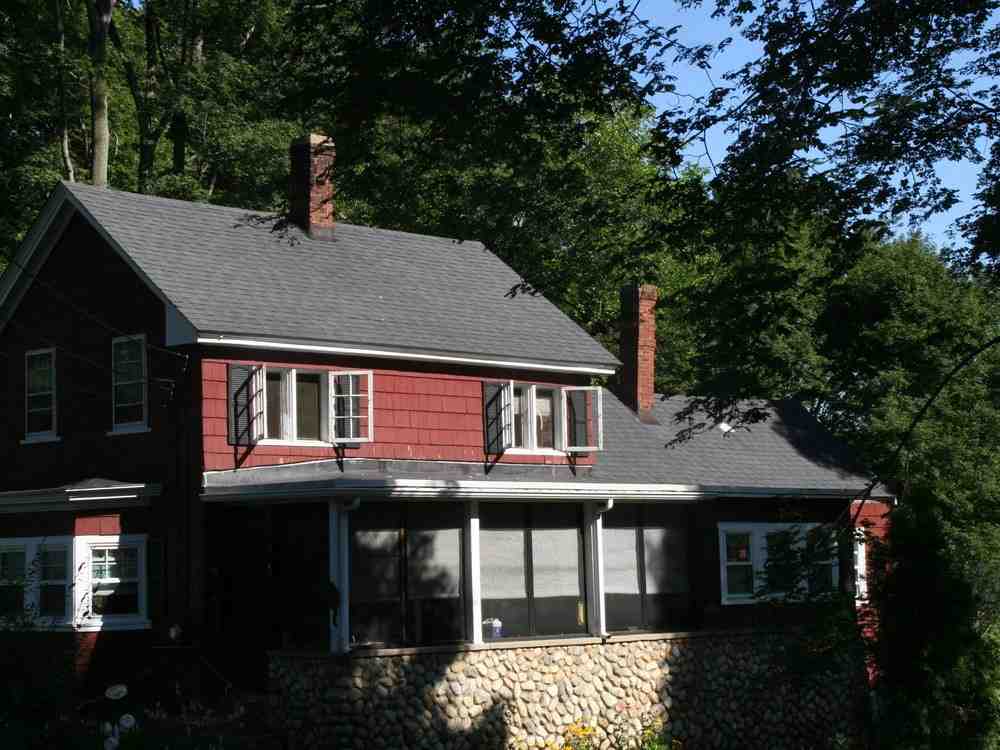
Why Shingle Roofing Is One of the Most Important Decisions You’ll Make as a Homeowner
Shingle roofing is the most widely used roofing system for residential homes in the United States — and for good reason. It balances affordability, durability, and curb appeal in a way few other materials can match.
If you’re trying to decide which shingles are right for your home, here’s a quick overview:
| Shingle Type | Lifespan | Best For | Relative Cost |
|---|---|---|---|
| Asphalt (3-Tab) | 15–25 years | Budget-conscious homeowners | Low |
| Asphalt (Architectural) | 25–40 years | Most residential homes | Moderate |
| Wood / Cedar | 30–40 years | Rustic aesthetic | Moderate–High |
| Synthetic | 30–50 years | Low maintenance, versatile look | High |
| Slate | 80–400 years | Maximum longevity | Very High |
| Metal | 40–70 years | High wind and snow areas | High |
But choosing the right shingle isn’t just about picking a material. Climate, roof pitch, fire ratings, wind resistance, and local building codes all play a role — especially here in Massachusetts, where winters are brutal and ice dams are a real threat.
Homeowners in towns like Wakefield, Burlington, and Lynnfield face full seasonal weather patterns: heavy snow loads, freeze-thaw cycles, summer heat, and nor’easters. The wrong shingle choice can mean premature failure, leaks, or costly repairs.
I’m Jack Golini, owner of Golini Roofing, and I’ve been installing and replacing shingle roofing across Massachusetts since 1982. In over 35 years, I’ve seen what works — and what fails — on roofs in our region. This guide will walk you through everything you need to make a confident, informed decision.
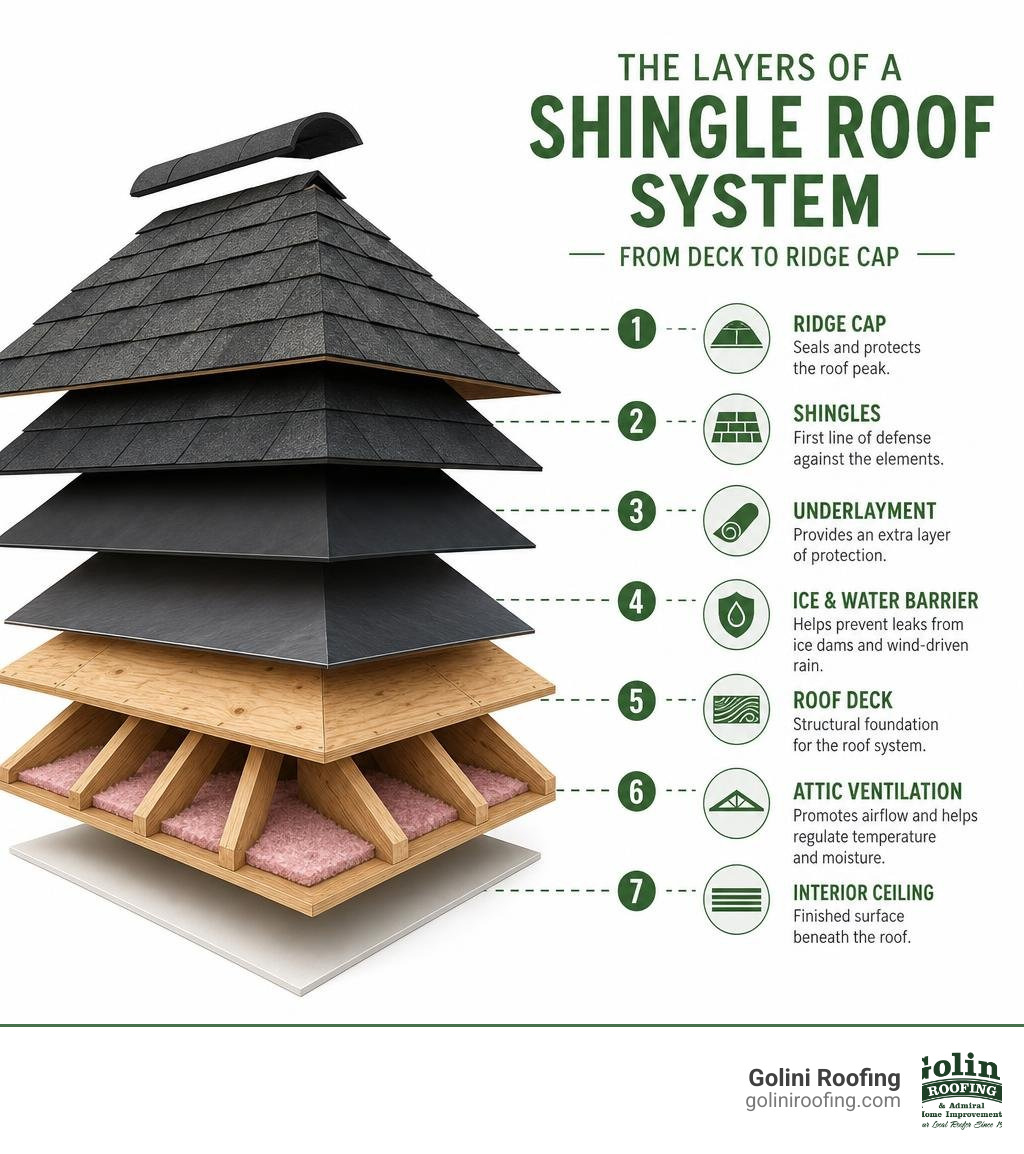
Shingle roofing word roundup:
How to Choose the Best Shingle Roofing
Selecting the right roof isn’t just a matter of matching colors with your shutters. It requires a balance of architectural style, long-term durability, and your personal budget. When comparing Roofing Shingles, you will encounter five primary categories of materials: asphalt, wood, slate, metal, and synthetic.
Each material carries its own weight in terms of installation complexity, maintenance requirements, and how well it stands up to the capricious New England weather. Let’s break down these options so you can see how they stack up against each other.
Asphalt Shingles
Asphalt shingles are the undisputed heavyweight champion of North American residential roofing. Invented in 1903, the modern Asphalt shingle has evolved from basic organic felt backing to high-performance fiberglass mats coated with water-resistant asphalt and protective mineral granules.
When choosing asphalt, you will primarily decide between two main styles for your Residential Roofing Shingles:
- 3-Tab Shingles: These are flat, single-layer shingles designed with three uniform tabs along the lower edge. They offer a clean, traditional look and are the most economical option. However, they are lighter, have lower wind ratings (typically up to 60 mph), and a shorter lifespan of 15 to 20 years.
- Architectural (Dimensional) Shingles: These are constructed from multiple laminated layers of fiberglass mat and asphalt, creating a dimensional, textured appearance that mimics wood shakes or slate. They are significantly thicker and heavier than 3-tab shingles, offering superior wind resistance (often rated up to 110–130 mph) and a much longer lifespan of 25 to 40 years.
For most homeowners in towns like Lynnfield and Reading, architectural shingles represent the sweet spot of value, aesthetic appeal, and weather protection.
Wood Shingles and Shakes
If you want a classic, rustic look that ages into a beautiful silvery-gray patina, wood is a traditional choice. However, it is essential to understand the structural difference between wood shingles and wood shakes:
- Wood Shingles: These are machine-sawn on both sides, providing a smooth surface and a uniform, tapered thickness.
- Wood Shakes: These are hand-split along the natural grain, resulting in a highly textured, rugged face on the weather side, though they are usually sawn on the back for easier installation.
Historically, Wood shingle roofs were the standard across early American settlements. Today, western red cedar is the preferred species due to its natural resistance to rot and decay.
However, wood has notable drawbacks. It is a natural fire hazard, which has led various urban municipalities to ban wood roofing unless it has been pressure-impregnated with fire-retardant chemicals to achieve a Class B or Class A rating. Additionally, wood requires active maintenance—such as debris removal and chemical treatments—to prevent moss, mold, and rot.
Slate and Synthetic Shingle Roofing
For homeowners looking for the absolute pinnacle of durability, natural slate is unmatched. Slate is a natural stone quarried and split into flat tiles. A high-quality slate Roof shingle can last anywhere from 80 to 400 years depending on the quality of the stone and the underlying fasteners. However, slate is incredibly heavy, requiring specialized structural framing to support the load, and it is by far the most expensive roofing material to purchase and install.
If you love the look of slate or hand-split wood shakes but want to avoid the extreme weight, high maintenance, and eye-watering costs, synthetic shingles are an outstanding modern alternative. Often manufactured from recycled rubber (derived from old tires) or engineered polymers, synthetic shingles:
- Weigh a fraction of natural slate.
- Achieve Class 4 impact resistance (the highest rating against hail).
- Provide Class A fire ratings.
- Can last 50 years or more with virtually zero maintenance.
Key Selection Factors and Installation Best Practices
Choosing a shingle material is only half the battle. Your roof’s performance is heavily influenced by physical factors like pitch, wind and fire ratings, and—most importantly—the quality of the installation.
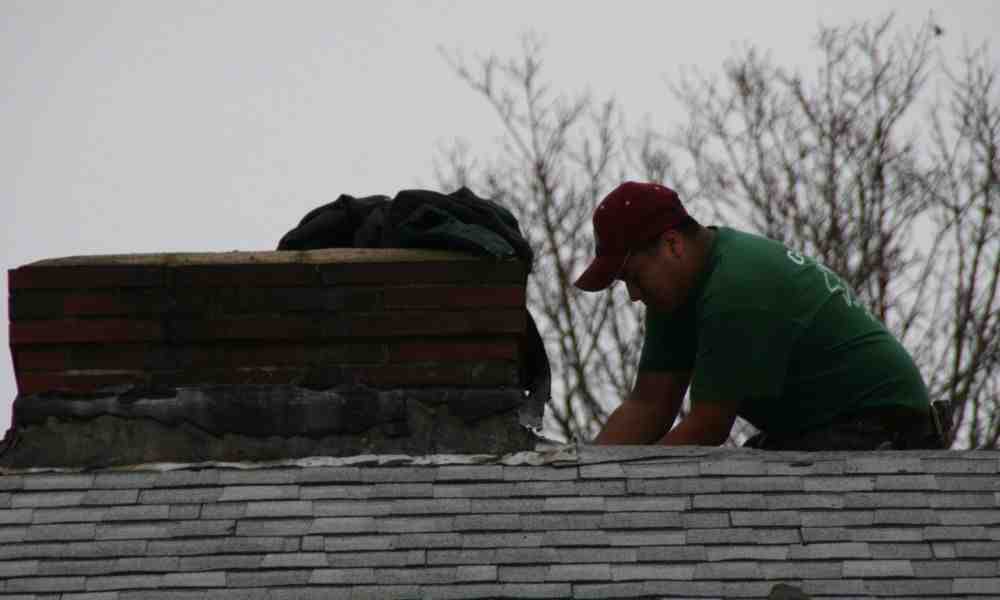
To ensure your investment stands the test of time, we always recommend professional Asphalt Shingle Roof Installation. Let’s explore the critical performance metrics and local climate challenges you must consider.
Massachusetts Climate Considerations
Our climate here in Massachusetts is notoriously demanding on shingle roofing. In coastal areas like Beverly or inland suburbs like Stoneham, roofs must withstand heavy winter snow loads, rapid freeze-thaw cycles, and intense summer UV rays.
The most common winter threat we deal with is the dreaded ice dam. Ice dams occur when heat escaping from your attic melts snow on the upper portions of your roof. The runoff flows down to the cold eaves, where it refreezes, creating a physical dam of ice. Water backs up behind this dam and can easily seep beneath standard shingles.
To combat this, the Asphalt Shingle Roofs | Building America Solution Center outlines strict guidelines that we follow diligently:
- Ice Barrier Membrane: We install a self-adhering, rubberized asphalt underlayment (often called ice and water shield) along the eaves. This membrane must extend from the eave edge to a point at least 24 inches inside the warm exterior wall line (or 36 inches on steeper slopes).
- Valley Protection: We line all valleys, chimneys, and roof-to-wall intersections with this self-adhering barrier to prevent leaks from wind-driven rain and standing water.
- Minimum Pitch: Shingles should not be installed on low slopes. The absolute minimum recommended roof pitch for standard shingle installation is 4:12. While installation is possible down to a 2:12 pitch, it requires double-layered underlayment and specialized application techniques to remain watertight.
The Meticulous Shingle Roofing Process
A roof is only as good as the hands that build it. Even the most expensive, high-wind-rated architectural shingle will fail if it is poorly fastened.
At Golini Roofing, our signature service is our commitment to a hand-nailed Shingle Roofing Process. While many modern crews rush through jobs using pneumatic nail guns—which can easily over-drive nails, slice through the fiberglass mat, or under-drive nails so they stick up—we hand-nail every single shingle. This ensures:
- Perfect Depth Control: Nails are driven perfectly flush with the shingle surface without crushing or tearing the asphalt mat.
- Proper Nailing Zone Placement: Every manufacturer specifies a narrow “nailing zone” where the fasteners must go to secure both the active shingle and the course below it. Hand-nailing allows our experienced crew to feel exactly where the nail is going.
- Enhanced Wind Resistance: Standard building codes require four nails per shingle. However, in high-wind zones or for enhanced manufacturer wind warranties, we utilize a six-nail pattern.
- Secure Starter Strips: We install dedicated starter strip shingles set in a continuous band of flashing cement along the eaves and rakes to prevent wind blow-offs.
Why Proper Attic Ventilation Matters
You might think of your roof as a shield against the outside elements, but its worst enemy often comes from inside your home. Without proper attic ventilation, heat and moisture will build up in your attic space.
In the summer, trapped attic heat can reach upward of 150°F, literally baking your shingles from the underside and causing the asphalt to degrade prematurely. In the winter, moisture from cooking, bathing, and breathing rises into the attic. If it cannot escape, it condenses on the cold roof sheathing, leading to mold growth, wood rot, and ice dam formation.
A properly balanced ventilation system utilizes intake vents at the soffits (eaves) and exhaust vents at the ridge to create a continuous, passive flow of air that keeps your attic temperature close to the outdoor temperature.
Lifespan, Warranties, and Cost Estimation
When planning a roofing project, understanding the real-world lifespan of materials, how manufacturer warranties protect your investment, and how to estimate costs will save you from major headaches.

Average Costs of Shingle Replacement in Massachusetts
Let’s address the elephant in the living room: cost. We want to be completely transparent about pricing.
Disclaimer: All prices mentioned below are average costs sourced from publicly available internet data and are not the actual prices of Golini Roofing. Every roof is unique, and actual estimates depend on size, pitch, complexity, and material choices.
According to industry averages and online data, a complete roof replacement in Massachusetts typically ranges from $15,000 to $45,000. Why is this range so wide?
- The Low End ($15,000): Typically represents a straightforward, low-complexity roof using standard 3-tab or basic architectural shingles on a smaller, single-story home.
- The High End ($45,000+): Reflects highly complex roofs with multiple valleys, dormers, steep pitches, premium synthetic or slate materials, and extensive rotten wood decking replacement.
When planning your budget for Installing Roof Shingles, investing in high-quality materials and meticulous installation pays off by delaying the need for another replacement by decades.
Maintenance, Repair, and Replacement Indicators
Roofs are “out of sight, out of mind” until water starts dripping from your ceiling. Regular inspections can help you catch minor issues before they turn into catastrophic structural damage.
If you notice any of the following signs on your home in Reading or Stoneham, it may be time to call in a professional for Asphalt Shingle Roof Repair:
- Moss and Algae Growth: Dark green moss traps moisture against the shingle surface, causing the protective granules to loosen and the wood structure underneath to rot. Black streaks are usually caused by Gloeocapsa magma algae, which feeds on the limestone filler in modern asphalt shingles.
- Curling or Cupping Shingles: As asphalt shingles age and lose their volatile oils, they shrink and curl at the edges, making them highly susceptible to wind blow-offs.
- Granule Loss: If you notice your gutters are filled with sand-like granules, your shingles are losing their primary defense against UV radiation.
- Missing or Damaged Shingles: Exposed underlayment or bare wood decking will quickly lead to active leaks during the next rainstorm.
When to Repair vs. Replace Your Roof
If your roof is relatively young (under 15 years old) and has suffered minor localized damage—such as a few shingles blown off during a storm—a simple repair is usually the most practical and cost-effective solution.
However, if your roof is approaching the end of its natural lifespan (20+ years for asphalt) and is showing widespread signs of wear like curling, extensive granule loss, or multiple active leaks, patching is merely a temporary band-aid. In these cases, a full replacement is the only way to guarantee your home’s protection. For a deeper dive into this topic, check out our Shingle Repair Services Complete Guide.
Frequently Asked Questions About Shingle Roofing
What is the most durable type of shingle?
Natural slate is the most durable roofing material on earth, often lasting well over a century. However, for modern residential applications, synthetic shingles made from rubber or polymer composites are incredibly durable. They offer Class 4 impact resistance (meaning they can withstand hail strikes without cracking) and Class A fire ratings without the structural weight of slate.
How long do asphalt shingles last in Massachusetts?
In our harsh Massachusetts climate, a standard 3-tab asphalt roof typically lasts 15 to 20 years. High-quality architectural shingles generally last between 25 and 30 years, provided they were installed with proper attic ventilation and professional fastening techniques.
Can I install new shingles over old ones?
While some local building codes allow for a “layover” (installing a second layer of shingles over an existing layer to save on tear-off costs), we strongly advise against it. An overlay prevents us from inspecting the underlying roof deck for rot, adds massive physical weight to your roof structure, traps heat (which shortens the life of the new shingles), and often voids manufacturer warranties.
Conclusion
Your roof is your home’s first line of defense against the elements. Choosing the right shingle roofing and ensuring it is installed with uncompromising precision is the best way to protect your family and your investment.
At Golini Roofing, we have spent over 35 years serving our neighbors in Wakefield, Beverly, Lynnfield, Reading, Stoneham, and the surrounding Massachusetts communities. We don’t believe in shortcuts, and we don’t believe in pneumatic nail guns that compromise the integrity of your shingles. We hand-nail every single shingle to ensure your roof is built to last.
Ready to protect your home with a roof that stands the test of time?
Click the button below to request a free, honest estimate for your home!