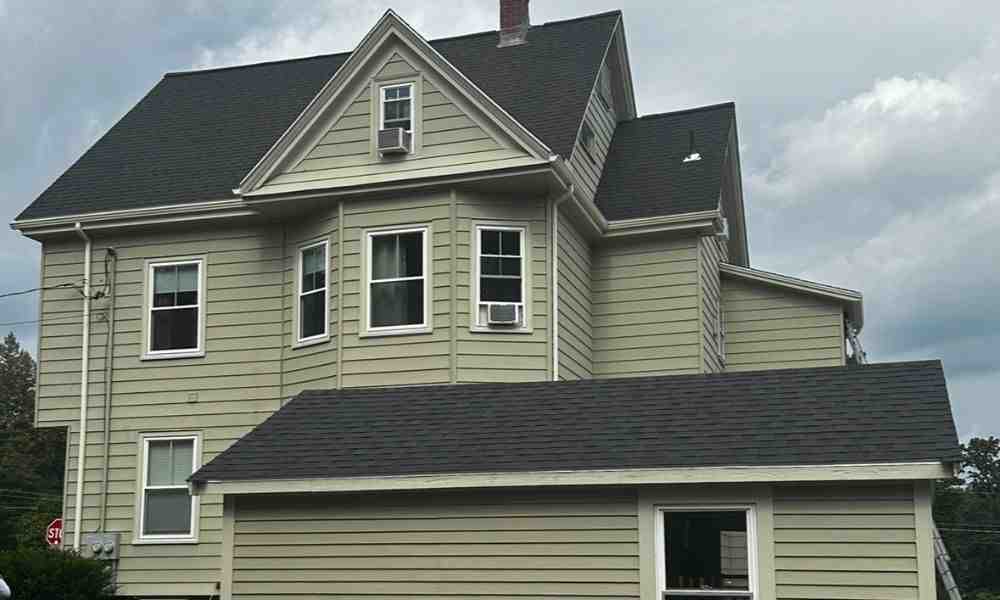
Why Construction Roofing Is the Most Important Investment You’ll Make in Your Home
Construction roofing is the system of materials, framing, and waterproofing layers that protects your home from rain, wind, snow, and heat. If you’re looking for a quick answer on what makes a residential roof reliable, here’s what matters most:
- Material choice – Asphalt shingles are the most popular option, covering 75% of steep-slope roofs in North America
- Proper framing – Rafters or trusses form the structural backbone of any roof
- Underlayment and flashing – These hidden layers are what actually keep water out
- Regular maintenance – Annual inspections and gutter cleaning extend roof life significantly
- Licensed installation – Poor workmanship leads to leaks, rot, and costly repairs down the line
Your roof is not just a cosmetic feature. It shields your walls, insulation, ceilings, and everything inside from the elements. A well-built roof using quality materials can last anywhere from 30 years (asphalt shingles) to over a century (slate). A poorly built one can fail in a fraction of that time.
Roofing problems rarely announce themselves early. By the time you notice a water stain on your ceiling, the damage has often been building for months — or longer.
Our team has been working in construction roofing since 1982, helping homeowners across the North Shore of Massachusetts protect their homes with durable, professionally installed roofs. In this guide, we’ll share the key principles that separate a roof that lasts from one that doesn’t.

Basic construction roofing vocab:
Choosing the Best Residential Materials for Longevity
When it comes to construction roofing, the material you choose is your first line of defense. In Massachusetts, we deal with everything from blistering July heat to heavy February snow loads, so your shingles need to be tough.
Asphalt shingles remain the undisputed heavyweight champion of residential roofing. They are versatile, cost-effective, and available in a massive array of colors. According to industry data, asphalt shingles can last up to 30 years with regular maintenance. However, not all shingles are created equal. You generally choose between traditional 3-tab shingles and architectural (laminated) shingles. Architectural shingles are thicker, provide a more contoured look, and typically offer better wind resistance—a must-have for homes in coastal areas like Lynnfield or Salem.
Several factors should influence your material choice:
- Weight: Heavier materials like slate or thick tile require a reinforced roof deck.
- Fire Resistance: Most modern asphalt shingles carry a Class A fire rating.
- Wind Uplift: If you live in an open area, you need shingles rated for high-speed winds.
- Aesthetics: Your roof accounts for up to 40% of your home’s exterior visual space.
More info about residential roofing materials can help you narrow down the perfect fit for your home’s specific architecture.
| Shingle Type | Average Lifespan | Maintenance Needs | Relative Cost |
|---|---|---|---|
| 3-Tab Asphalt | 15–20 Years | Moderate | $ (Low) |
| Architectural Asphalt | 25–30 Years | Low | $$ (Mid) |
| Premium Designer | 30–50 Years | Low | $$$ (High) |
Note: Pricing reflects average internet data ranges. High-end designer installations can exceed $2,500 per square (100 sq. ft.) depending on complexity, which is more than 3x the cost of basic 3-tab shingles.
Selecting Styles and Pitch
The “pitch” or slope of your roof isn’t just about looks; it dictates what kind of construction roofing materials can be used. Pitch is calculated by the “rise” over the “run.” For example, a 4:12 pitch rises 4 inches for every 12 inches of horizontal distance.
- Gable Roofs: The classic “triangle” shape. They are excellent for shedding water and snow but can be vulnerable to high winds if not braced properly.
- Hip Roofs: These have slopes on all four sides. They are incredibly stable in high-wind environments and are a popular choice for many Stoneham and Reading homes.
- Gambrel Architecture: Often called “barn roofs,” these provide extra living space in the attic (perfect for a master suite or home office).
Lower-sloped roofs (below a 2:12 pitch) require specialized membranes because shingles rely on gravity to shed water. If the slope is too flat, water can “back up” under the shingles. For more details on how style impacts your home’s value, check out our Residential Roofing Types Guide.
The Step-by-Step construction roofing Process
Building a roof is a symphony of structural engineering and waterproofing. It’s not just about “slapping on shingles.” Each layer must be integrated perfectly to prevent the dreaded New England ice dam or a slow-drip leak.
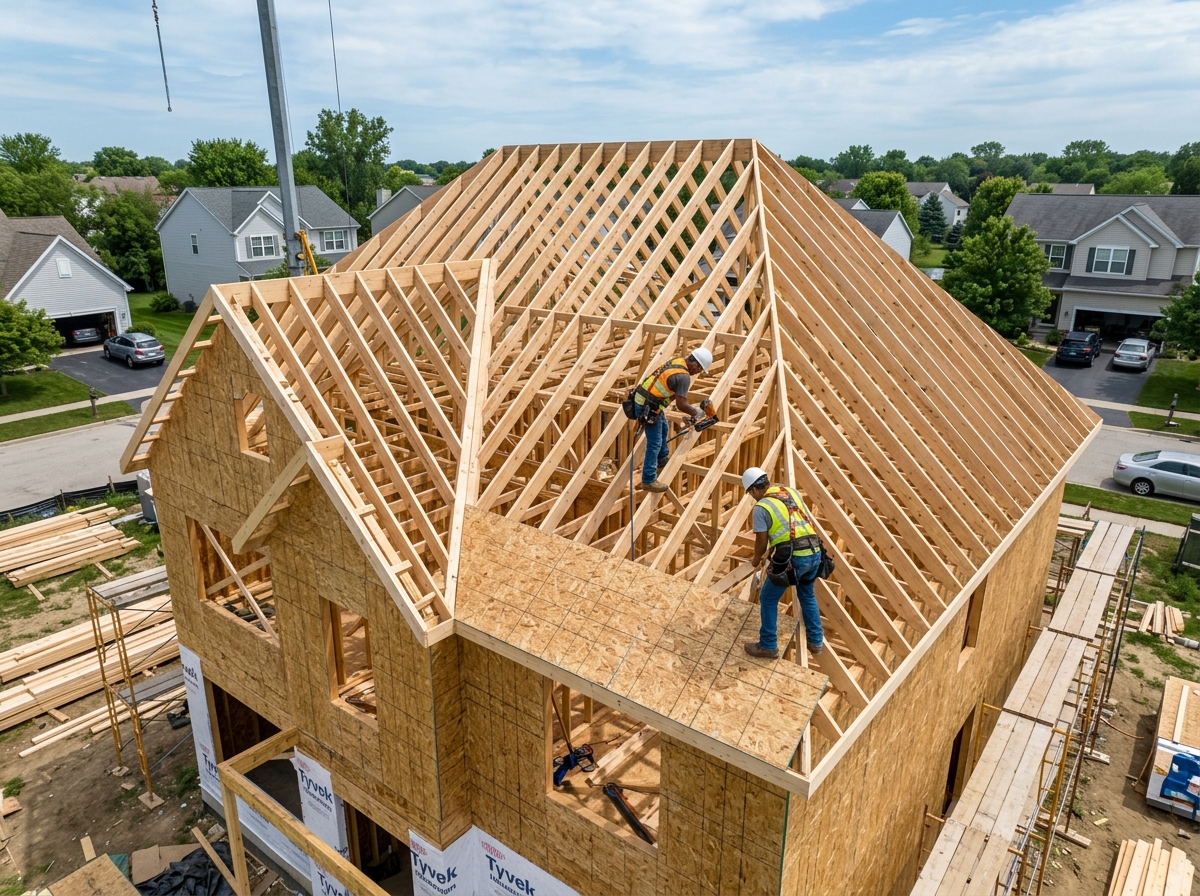
- The Planning Phase: We evaluate the existing structure, check for local building codes in towns like Woburn or Winchester, and secure the necessary permits.
- Framing: This is the “skeleton” of the roof. We use either rafters (stick framing) or pre-fabricated trusses.
- Sheathing Installation: We apply large sheets of plywood or OSB (Oriented Strand Board) across the rafters. This creates the “deck.”
- Underlayment: This is a critical waterproof or water-resistant barrier. We roll this out from the bottom (eave) to the peak, overlapping each layer to ensure water runs over the top.
- Flashing: We install metal “L” shaped pieces around chimneys, vents, and in the “valleys” (where two roof planes meet). This is where most leaks happen, so precision is key.
- Shingle Application: Starting from the bottom, we apply shingles. We believe in the “secret sauce” of construction roofing: hand-nailing. While many use nail guns for speed, hand-nailing ensures every nail is driven to the perfect depth—not too deep to tear the shingle, and not too shallow to cause a bump.
- Finishing Touches: We install ridge vents at the peak to allow the attic to breathe, preventing moisture buildup.
For a deeper dive into the technicalities, the Roofing Process Step by Step offers a visual walkthrough, while the Whole Building Design Guide provides technical guidance on roofing systems for those who love the engineering side of things.
Framing with Rafters versus Trusses
How your roof is framed affects your home’s strength and your future storage space.
- Rafters (Stick Framing): This is the traditional method where we cut and fit each board on-site. Rafters allow for “cathedral ceilings” and usable attic space. It’s a craft that requires a high level of skill.
- Trusses: These are pre-engineered “webs” of wood built in a factory. They are incredibly strong and can be installed much faster than rafters. However, they usually take up the entire attic space with their webbing, meaning no extra storage for your holiday decorations.
The choice often comes down to the architectural design and whether the homeowner wants a functional attic. You can find more domestic roof construction details to help you decide which structural path is right for your build.
Professional Standards: Safety and Career Outlook
The roofing industry is growing. According to the Bureau of Labor Statistics, employment for roofers is projected to grow 6% through 2034. It’s a demanding but rewarding trade. In 2024, the median annual wage for roofers was $50,970, though experienced foremen and superintendents can earn significantly more—often between $63,000 and $84,000.
For those looking to enter the field, occupational data for roofers shows that most training happens on the job or through 3-year apprenticeship programs.
Essential Safety Standards in construction roofing
Safety is the most important part of any job site. Roofing has one of the highest rates of injuries in the construction industry, primarily due to falls. We take this seriously.
Essential safety measures include:
- Personal Protective Equipment (PPE): This includes hard hats, gloves, and non-slip footwear.
- Fall Arrest Systems: Any roofer working 6 feet or more above a lower level must be “tied off” with a harness and anchor system.
- Ladder Safety: Ladders must extend at least 3 feet above the roof edge and be secured at a 4-to-1 ratio (for every 4 feet of height, the base should be 1 foot out).
- Heat Prevention: Working on a dark roof in the middle of a Wakefield summer can be 20 degrees hotter than the ground. We prioritize “Water, Rest, and Shade” to prevent heat exhaustion.
For more information on staying safe on-site, the OSHA safety training resources are the gold standard for the industry.
Evaluating Damage and Navigating Insurance Claims
Living in Massachusetts means your roof will eventually face a “stress test” from Mother Nature. Storm damage isn’t always obvious. High winds can “unseal” shingles without blowing them off, and hail can bruise the asphalt mat, leading to premature failure.
If you suspect damage:
- Document Everything: Take photos from the ground. Do not climb a damaged roof yourself!
- Call a Professional: We can provide a detailed inspection report.
- Contact Your Insurance: If the damage is weather-related, your homeowner’s insurance may cover the replacement.
- Meet the Adjuster: We often meet with insurance adjusters on-site to ensure they see the full extent of the damage.
Our Roof Repair and Replacement services are designed to help you navigate these stressful times with ease.
Evaluating Your Structure for construction roofing Success
Before we put a single shingle down, we have to make sure the “bones” of the house are solid. A new roof on a rotten deck is a recipe for disaster.
- Deck Inspection: We look for “soft spots” or sagging that indicate water damage.
- Rot Identification: If the plywood is black or crumbling, it must be replaced.
- Joist Integrity: We check the rafters/trusses for cracks or insect damage.
- Plywood Assessment: We ensure the sheathing is the correct thickness (usually 5/8″ or 3/4″) to hold the weight of the new materials.
If you have a flat or slightly sloped roof, our Low Slope Residential Roofing Guide explains the specific structural needs for those unique designs.
Long-Term Maintenance and Budgeting for Your Home
A roof is like a car; it needs regular maintenance to reach its full lifespan. We recommend an annual “check-up” for your roof.
- Gutter Cleaning: Clogged gutters cause water to back up under your shingles, leading to rot. Professional gutter services can save you from a major headache.
- Debris Removal: Leaves and branches hold moisture against the shingles, which encourages moss and algae growth.
- Moss Treatment: If you see green “fuzz,” get it treated. Moss roots can actually lift shingles and digest the limestone filler in the asphalt.
- Permits and Codes: Never skip the permit. In towns like Burlington or North Reading, building inspectors ensure your roof meets local safety codes. This is also vital for your home’s resale value.
The National Roofing Contractors Association (NRCA) provides excellent resources for homeowners who want to stay proactive about their roof’s health.
Internet data suggests average costs for a full roof replacement range from $8,000 to $25,000, but complex projects with premium materials can easily reach $60,000 or more.
Frequently Asked Questions about Construction Roofing
How long does a new roof installation typically take?
For most residential homes in the Wakefield area, a full replacement takes between 1 and 3 days. Factors like the size of the house, the pitch of the roof, and the weather play a huge role. If we find significant rot in the deck, it may add an extra day for repairs.
What permits and inspections are required for a new roof?
In Massachusetts, a building permit is required for any structural work, including a full re-roof. Usually, an inspector will visit once the job is complete to ensure the flashing, ventilation, and shingles are installed according to the International Residential Code (IRC).
How can I extend the lifespan of my asphalt shingles?
Keep your gutters clean and your attic well-ventilated. Heat is the enemy of asphalt; a “hot” attic will bake your shingles from the inside out, causing them to curl and crack prematurely. Also, trim back any overhanging tree branches to prevent physical damage and excess shade.
Conclusion
We don’t just build roofs; we build peace of mind. With over 35 years of experience serving the North Shore—from Wilmington to Winchester—we understand the unique challenges of Massachusetts construction roofing.
Our commitment to quality is why we still hand-nail every shingle. It takes more time and more effort, but it results in a roof that stands up to the toughest Nor’easters. Whether you need a simple repair or a complete replacement, our team is ready to provide the craftsmanship your home deserves.
Ready to protect your biggest investment? Schedule your residential roofing consultation today and experience the difference that three decades of expertise can make.