Pay-per-Storm or Seasonal Snow Plowing: Which Should You Choose?
Learn how to choose a driveway snow-plowing arrangement based on your routine, scheduling needs, and comfort with an ongoing commitment.
The short answer
- Choose pay-per-storm when avoiding a long-term commitment matters most.
- Choose seasonal service when you want automatic scheduling for every qualifying storm.
- Confirm snowfall thresholds, return visits, clearing areas, and timing before agreeing.
- Neither label alone tells you the total cost or guarantees when your driveway will be cleared.
What each snow-plowing arrangement actually means
The main difference is the commitment and how service gets scheduled. Pay-per-storm suits homeowners who value flexibility. A seasonal contract suits those who want an ongoing arrangement covering every storm that qualifies under the agreement.
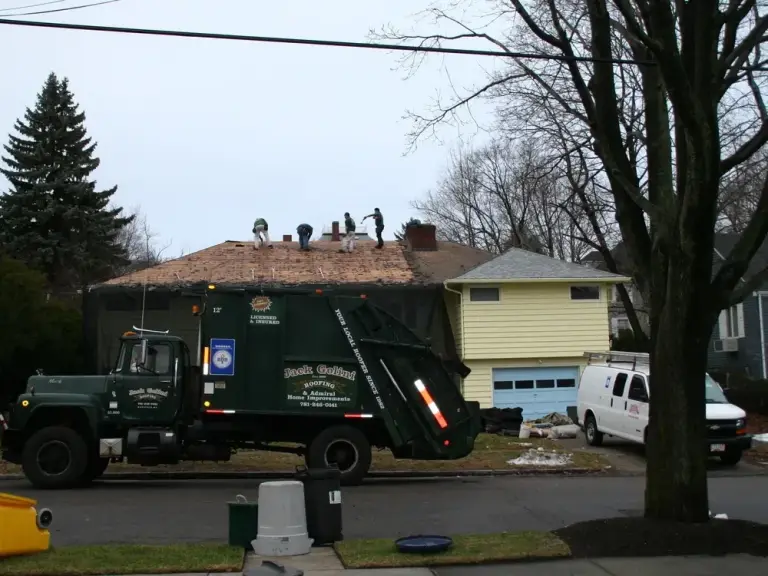
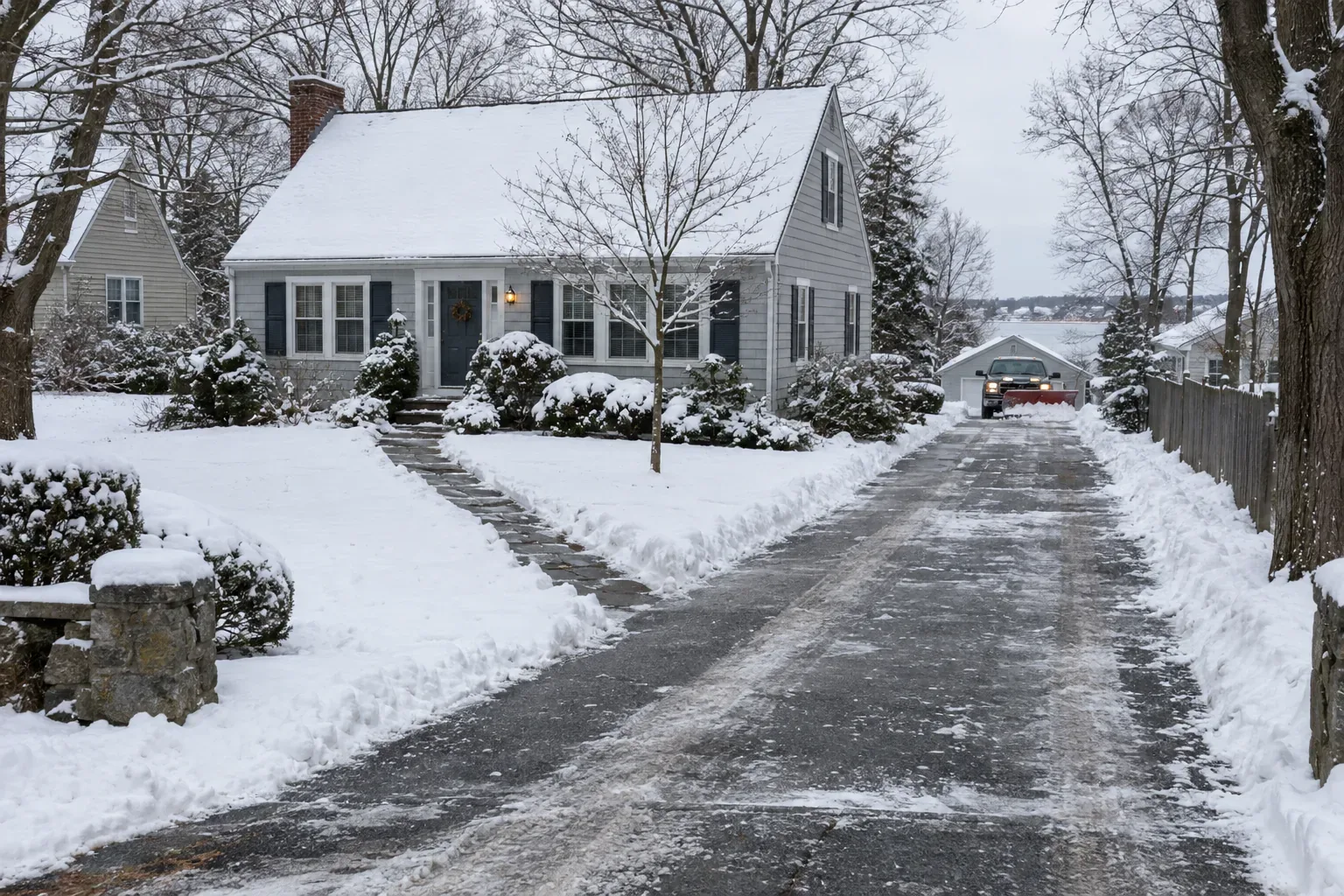
Golini Roofing, a locally owned contractor in Wakefield, offers both through its residential snow-plowing service. With its pay-per-storm option, plowing starts once a storm’s snowfall reaches the service threshold, with no long-term commitment. Under a seasonal contract, your driveway is scheduled automatically for every qualifying storm.
Those descriptions leave practical details to confirm. Pay-per-storm does not necessarily mean you must call each time; ask how enrollment and storm scheduling work.
Match the plan to how you use your driveway
Start with an ordinary winter morning. Do you need to leave for work before daylight? Does someone visit regularly to provide care? Can your household comfortably wait until the driveway has been cleared? Your routine matters more than trying to predict how snowy the winter will be.
When pay-per-storm may fit
This arrangement may suit you if you expect your needs to change or prefer not to make a season-long commitment. Perhaps your household schedule is unsettled, or you are deciding how much outside help you need. Confirm how service is activated before assuming you can request a visit only when convenient.
When a seasonal contract may fit
Automatic scheduling can be useful when you want fewer storm-by-storm decisions. It may also suit homeowners who travel or do not want to monitor each forecast to decide whether to arrange service.
If someone has limited mobility, consider the whole trip from the door to the vehicle. A cleared driveway alone may not provide usable access if a walkway or entry remains covered. Identify those areas when discussing either arrangement.
Compare coverage and billing terms
Neither arrangement is automatically the cheaper choice. The outcome depends on the actual terms and the winter’s weather. Avoid choosing a seasonal contract solely because you expect heavy snow, or pay-per-storm solely because the previous winter was quiet.
Ask for a written description that answers these questions:
- What determines the charge? Confirm whether snowfall depth, additional visits, or other conditions affect the amount.
- What does the seasonal commitment cover? Identify its beginning and ending dates and any exclusions.
- How are long storms handled? Ask whether an initial pass and later cleanup are treated differently for billing.
- Which areas are included? List the driveway, parking spaces, walkways, and entries individually.
- What happens if plans change? Ask about cancellation, moving, changing arrangements, and any payments already made.
Then compare how each written quote would work during a quieter winter, a winter with repeated qualifying storms, and a winter with prolonged storms requiring return visits. Use the provider’s actual terms rather than guessed rates.
This exercise may reveal that one arrangement is easier to manage even when you cannot know which will cost less. Predictability and flexibility both have value; decide which matters more to your household.
Clarify what counts as a qualifying storm
A service threshold determines when snowfall qualifies for plowing. Ask what that threshold is and how the provider determines that it has been reached. You do not need to go outside during a storm to take measurements yourself.
Also ask what happens when snow arrives in stages. A storm may begin overnight, pause, and resume later. Understanding how the provider treats that event helps you anticipate both scheduling and any charges.
- Is service performed during a continuing storm, after it ends, or according to conditions?
- When are return passes considered necessary?
- What happens if a street plow leaves a ridge across the driveway after service?
- How is a light snowfall below the threshold handled?
- Are ice treatment and any follow-up clearing included, excluded, or separately arranged?
Plowing and ice management are different tasks. Clearing loose snow can leave slippery areas, especially where vehicles have packed snow down. Do not assume either service arrangement includes treatment for ice or makes every surface safe to walk on. Avoid icy routes and arrange appropriate help when access is unsafe.
Set realistic expectations for access and timing
Tell the provider about your usual departure time before choosing a plan. Ask what timing they can agree to, how updates are handled, and what you should expect during a prolonged storm. A seasonal place on the schedule should not be treated as a promise that your driveway will always be finished before you leave.
If you will be away, settle communication in advance: who receives updates, who can answer property questions, and what happens if a parked vehicle blocks part of the driveway. Move vehicles only when conditions are safe, preferably before snow begins. Stay clear of operating equipment and never approach a plow truck to flag down the driver.
For Golini Roofing, you can use the contact page to ask about the two arrangements and explain your access needs. Describe the areas you need cleared rather than assuming every outdoor surface is included.
Once you have chosen an arrangement, use this driveway snow-plowing preparation checklist to work through property access details.
Use a simple decision check before you commit
Choose based on the arrangement you can comfortably follow through the winter, rather than a forecast or a headline price.
- Lean toward pay-per-storm if avoiding a long-term commitment is your priority and its scheduling process fits your needs.
- Lean toward seasonal if you want your driveway scheduled automatically for each qualifying storm and are comfortable with the agreement’s duration and terms.
- Pause either choice if the threshold, clearing area, billing, or timing remains unclear.
If snow has already arrived, ask what arrangements are currently available instead of assuming enrollment has closed or service can start immediately. Explain any existing snow or ice buildup so the provider can assess the starting conditions.
Before agreeing, try summarizing the plan in one sentence: “My service begins under these conditions, covers these areas, and is scheduled and billed this way.” If you cannot fill in those details from the written terms, ask for clarification. Keep the agreement and communication instructions somewhere easy to find during a storm.
Common questions
Does pay-per-storm mean I have to call whenever it snows?
Not necessarily. The billing arrangement alone does not tell you how scheduling works. Ask whether qualifying storms trigger service automatically or whether you must request each visit.
Will a seasonal contract put my driveway first on the route?
Do not assume it will. Automatic scheduling means service is arranged for qualifying storms, but route order and completion timing are separate details to confirm. Explain any important access needs before agreeing.
Can I switch from pay-per-storm to a seasonal contract later?
Ask the provider whether switching is possible and what terms would apply. Do not assume a seasonal opening will remain available or that previous storm charges will count toward a new arrangement.
What if snow falls below the service threshold but my entry is slippery?
A below-threshold snowfall may not trigger plowing, and slippery conditions can require a different response. Confirm your plan for light snow and ice before winter weather arrives. Avoid using an unsafe entry while arranging appropriate help.